Hydrogen Infrastructure on Wheels: Mobile Low-Carbon Fueling for California Transit
ZeroUp and K2 Pure Solutions have reportedly agreed to supply low-carbon hydrogen via mobile fueling units to California transit agencies, offering a flexible approach to decarbonize bus fleets, although key details remain unverified.
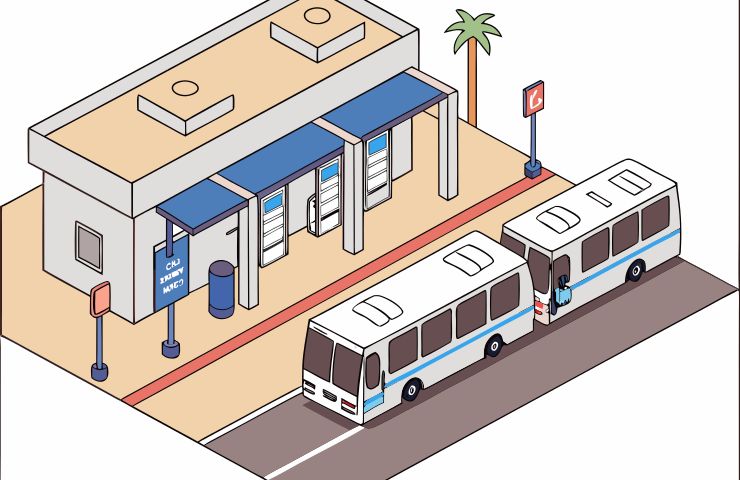
Imagine a bustling bus depot where the fuel doesn’t just come from a big, fixed station, but instead rolls right up to the door on a truck—talk about a game changer for zero-emission buses! Transit agencies in California have felt the crunch to ditch their diesel fleets for cleaner rides, but building dedicated hydrogen stations often comes with long wait times and hefty price tags. Now, there’s a fresh approach on the table that aims to deliver low-carbon hydrogen directly to these depots, avoiding all those headaches. By entering into fuel-as-a-service contracts, agencies could quickly pilot fuel cell buses while sidestepping those big upfront costs. It sounds straightforward, but could this be the breakthrough that hydrogen transit has been waiting for?
Could on-the-go hydrogen fueling break the infrastructure bottleneck?
According to some recent buzz in the clean transportation arena, ZeroUp has reportedly struck a deal with K2 Pure Solutions to provide low-carbon hydrogen for its mobile fueling services aimed at California transit agencies. While neither company has made an official announcement just yet, the word on the street is that this service-oriented model could get hydrogen right to fleet depots. Instead of each agency dealing with the costly and complex permitting of fixed stations, they could just sign up for on-demand delivery of compressed, low-carbon hydrogen. If this deal is confirmed, it could really allow transit operators to experiment with or expand their hydrogen fuel cell bus fleets more flexibly, treating fuel as an operating expense instead of a capital investment.
How Mobile Hydrogen Fueling Delivers Flexibility
So, what exactly does mobile hydrogen fueling look like? Picture a transportable trailer that’s loaded with high-pressure storage tanks, compressors, dispensers, and safety systems. In traditional setups, hydrogen is produced at a central facility—often by using renewable-powered electrolysis or natural gas reforming with carbon capture—and then compressed into cylinders for transport. That trailer rolls right up to the bus depot, where fueling technicians connect hoses and manage the pressure, much like you’d see at a regular gas station. The beauty of this setup? It can be moved around as routes change or be sent to different sites in rotation. Instead of building a permanent station that could take ages to get off the ground, agencies can lease a trailer or tap into a fueling service, shifting the burden of cost and complexity to specialized providers. Early pilots with fuel cell trucks and buses have already seen this model work wonders, making the whole process quicker and less risky.
Inside the Players: ZeroUp and K2 Pure Solutions
Now, about ZeroUp—while they haven't released detailed technical specs about their mobile fueling setup, reports show they specialize in getting low-carbon hydrogen to transit fleets across California. Running mobile trailers isn’t just a walk in the park; it requires know-how in handling high-pressure gas, adhering to safety protocols, and keeping up with regulations. That’s where K2 Pure Solutions comes in. They’re known for operating electrolysis-based chlor-alkali facilities, which means they produce bleach and caustic soda by using safe, electrified technology that splits saltwater brine. Although K2’s official info doesn’t specifically mention hydrogen for transport, the electrochemical processes they use generate hydrogen as a byproduct. Their focus on producing on-site to avoid moving elemental chlorine shows a commitment to community safety and sourcing locally—an ethos that could easily translate into a reliable hydrogen supply. This potential partnership hinges on blending ZeroUp’s mobility expertise with K2’s industrial knowledge, offering a sweet mix of agility and production capabilities, though both parties are keeping mum for now.
California’s Transit Fleets Poised for a Shift
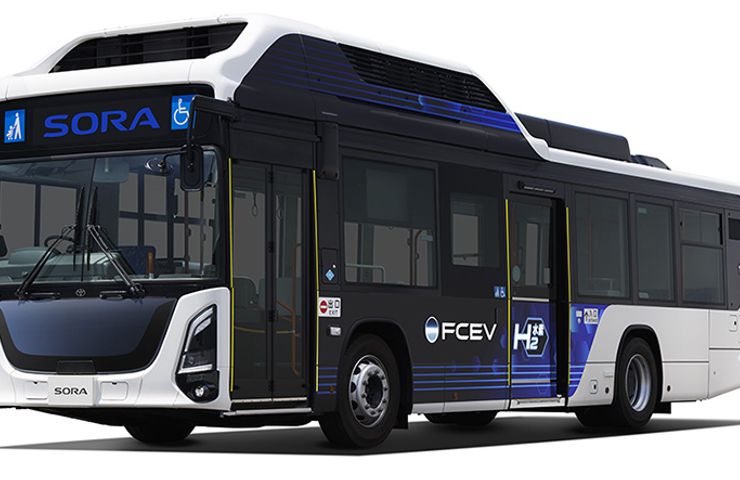
California has always been a leader in pushing for zero-emission buses, urging public transit agencies to kick diesel to the curb. Sure, there are federal and state grants to help cover the cost of vehicles, but fueling infrastructure remains a big obstacle. Battery-electric buses are catching on, but they have range limitations and the cost of chargers can be pretty steep—especially for long routes or hilly terrains. That’s where hydrogen fuel cell buses come into play. They offer fast refueling and longer ranges, making them perfect for busy urban and regional operations. The tricky part for transit operators is the chicken-and-egg dilemma: they need hydrogen refueling stations to run fuel cell fleets, but setting up these stations requires hefty investment and a complex permitting process. If mobile fueling services take off, they could flip that script. By buying fueling as a service, agencies could test hydrogen fuel cell buses on certain routes or extend pilot projects without facing years of waiting for a permanent station. If a trailer can serve multiple locations, small and medium-sized agencies could gain a real leg up.
In the Context of California’s Climate Ambitions
California’s robust climate policies have propelled the rapid adoption of zero-emission vehicles. The state’s air resources board is gunning for strict emissions targets, and funding programs through the clean transportation initiative prioritize projects that deliver tangible greenhouse gas cuts. This service-based fueling method fits right in with those incentives. Since agencies usually operate under tight budget cycles, changing capital expenses into operational costs through contracted fueling could make grant applications a lot simpler. Plus, local communities that have raised concerns about transporting toxic gases like chlorine often rally behind low-impact, on-site production models. By bringing hydrogen production or supply closer to the end users—and delivering it via mobile units—stakeholders can ease safety concerns while making strides toward carbon-neutral transit.
Why Low-Carbon Hydrogen Matters
Hydrogen's appeal in the transit world lies in its clean tailpipe emissions—fuel cell buses produce nothing but water vapor. But the real climate impact comes from how it’s produced upstream. Low-carbon hydrogen is all about slashing greenhouse gas emissions compared to conventional methods. That can include renewable-powered electrolysis where water is split into hydrogen and oxygen using electricity from wind or solar, or natural gas reforming paired with carbon capture to trap CO₂ before it escapes into the atmosphere. Without clear lifecycle data, agencies risk rolling out buses that may still have hidden emissions. It’s crucial to establish a verified low-carbon supply chain that covers everything from production and compression to transport and fueling if California wants to meet its net-zero goals. If the hydrogen in the ZeroUp-K2 deal comes from genuinely clean methods, it could mean significant lifecycle emissions cuts compared to diesel alternatives.
Looking Forward: Scaling Zero-Emission Buses
As many agencies weigh their options between fuel cell buses and battery-powered models, flexible fueling strategies might just tip the balance. Mobile hydrogen fueling not only shortens project timelines but also gathers essential operational data—like fuel consumption trends, reliability figures, and safety stats—that can help shape future deployments. If the rumored partnership between ZeroUp’s logistics system and K2 Pure Solutions’ industrial expertise comes to fruition, it could set the stage for a new paradigm in the transit industry: small, nimble mobility companies working hand-in-hand with established chemical producers to meet the demand for clean energy. If this concept takes off, transit agencies could gradually adopt hydrogen, transitioning from pilot projects to full fleet rollouts. Down the road, we could see a solid mix of mobile and fixed infrastructure, helping hydrogen become a mainstream solution for heavy-duty, zero-emission transit not just in California, but beyond.