Methanol Dual-Fuel Retrofit on Seaspan Yangtze Advances Shipping Decarbonization
Everllence PrimeServ has completed its 30th methanol dual-fuel retrofit, converting the Seaspan Yangtze at COSCO Shanghai to dual-fuel operation in under three months.
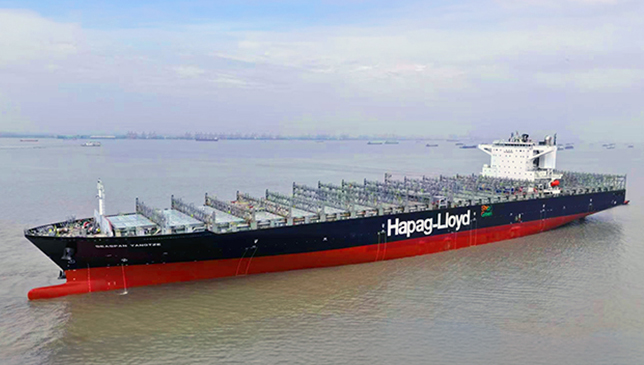
Decarbonization goals aim to cut shipping emissions in half by mid-century, and with carbon pricing starting to take off in various regions, there’s a real scramble for quick solutions. This industry really feels the heat when it comes to slashing greenhouse gas emissions. One of the quickest routes to cleaner waters? Retrofitting existing ships. Sure, new builds with alternative fuel engines get a lot of attention, but converting the vessels we already have is a much faster way to make a difference and avoid the long wait times for brand-new ships. The recent retrofit of the container vessel Seaspan Yangtze by Everllence PrimeServ in a Chinese shipyard is a perfect example of this shift. This project highlights how dual-fuel technology, combined with smart data monitoring and solid project management, can deliver significant carbon benefits on the high seas.
Finished up in early June 2026 after just under three months off-hire, the upgrade on the Seaspan Yangtze is actually PrimeServ’s 30th dual-fuel retrofit across different platforms, including LNG, methanol, and LPG. The ship, operated by Seaspan Corporation and chartered to Hapag-Lloyd, is now cruising on both methanol and standard marine fuel. This vessel kickstarts a five-ship conversion program aimed at reducing emissions in the charterer’s fleet without the long wait for new builds. Reports from operators suggest that this upgraded ship has an Energy Efficiency Existing Ship Index (EEXI) that’s about 55% below the baseline set by the IMO Phase 0, though the specifics behind those numbers aren’t publicly available.
Project Overview
The retrofit project showcased some serious teamwork among the vessel owner, charterer, OEM, and shipyard. Everllence PrimeServ managed everything from the initial design to the final commissioning. The financing came from Seaspan Corporation as part of its broader decarbonization strategy. Meanwhile, Hapag-Lloyd reaps the benefits of lower carbon emissions and increased compliance with the IMO’s tightening efficiency standards. The shipyard, COSCO Shipping Heavy Industry (Shanghai), provided the necessary facilities and labor for this conversion, proving it’s becoming a go-to hub for alternative fuel retrofits.
Role of the Shipyard
Shanghai is really making a name for itself in advanced vessel conversions, thanks to its deep-water ports, extensive logistics, and a rich talent pool of maritime engineers. COSCO Shipping Heavy Industry (Shanghai) played a pivotal role in this project, executing everything from the installation of methanol supply lines to modifications on storage tanks and safety systems to support dual-fuel operation. Their previous experience with LNG and LPG retrofits really came in handy, enabling the team to finish high-pressure modifications, valve changes, and engine control integrations smoothly and swiftly. Local incentives and a strong industrial network have made it easier to ramp up projects and train workers for alternative fuel conversions.
How the Methanol Dual-Fuel Retrofit Works
Transforming a two-stroke marine diesel engine to operate on methanol dual-fuel involves some pretty crucial upgrades. They install new fuel injection valves and pumps that are rated for methanol, along with dedicated supply lines and adjusted storage tanks. Methanol's lower cetane number compared to standard marine fuel oil means the retrofit includes ignition assistance systems and a revamped engine management control that intelligently switches between fuels or blends them as necessary. Plus, they’ve built in safety features like advanced ventilation, leak detection, and fire protection in fuel handling zones to meet all class and flag requirements for methanol operations.
Fast Turnaround and Data-Driven Monitoring
A standout feature of PrimeServ’s offering is its PrimeServ Assist service—a subscription-based platform that keeps tabs on monitoring and advisory needs. Sensors send performance data, including fuel consumption, pressures, temperatures, and alerts, back to the shore. Their AI-driven analytics highlight any oddities and assist in remote diagnostics, helping catch issues before they escalate. This approach is key to keeping off-hire time under three months, cutting downtime, and helping crews get used to the new dual-fuel setup quickly.
Strategic and Commercial Implications
For shipowners and charterers, the logic behind methanol retrofits comes down to balancing upfront costs against future compliance expenses, fuel price variations, and charter agreements. By giving existing ships a fresh lease on life, retrofitting can delay the need to scrap or order new builds. In this scenario, Seaspan Corporation and Hapag-Lloyd are sharing the risks. The owner invests in the technology upgrades, while the charterer enjoys lower carbon intensity and potential operational savings when they can procure methanol at the bunkering stations. In the meantime, how well major ports can scale up methanol bunkering is bound to have an impact on charter rates and routing decisions, as operators look for reliable fuel supplies for long journeys.
Regulatory and Environmental Context
Things are tightening up with IMO’s Energy Efficiency Existing Ship Index (EEXI) and Carbon Intensity Indicator (CII) coming into play, pushing vessel operators towards alternative fuels or efficiency upgrades. Methanol stands out for being liquid at normal temperatures, making bunkering easier than with LNG or ammonia, and it can also be sourced from renewable inputs—this is what folks are calling green methanol. Though lifecycle emissions depend on feedstock and production methods, dual-fuel conversions like the one on the Seaspan Yangtze can achieve meaningful reductions in CO2, NOx, and particulates compared to traditional heavy fuel oil.
Technological Maturity and Future Prospects
Each generation of dual-fuel retrofits has evolved from initial LNG projects into robust platforms that can accommodate multiple fuel types. PrimeServ has successfully executed 30 projects across LNG, methanol, and LPG, showcasing that their retrofit strategy is solid and ready for future growth. Looking down the line, modular retrofit packages and standardized designs could make things even less expensive and easier to get through approvals. Experience from early adopters will help refine best practices and adjust classification society guidelines, clearing hurdles for more programs down the road. Investing in bunkering infrastructure and establishing reliable methanol supply chains is crucial for scaling this beyond pilot projects.
Now that the Seaspan Yangtze is back on the water with its new dual-fuel capabilities, everyone is watching to see how the remaining four ships in the series perform. If they can maintain off-hire times below three months and keep those EEXI improvements looking healthy, methanol retrofits could easily shift from specialized projects to a mainstream strategy for shipping’s decarbonization efforts. For operators caught between the choice of retrofit or new build, the takeaway is clear: existing fleets can dive into the clean fuel transition without waiting ages for delivery, as long as they collaborate with seasoned OEMs and shipyards.