Turquoise Hydrogen Ready for Scale-Up as Hazer and KBR Finalize Methane Pyrolysis Design Package
Hazer Group Ltd and KBR unveiled a standardized Process Design Package for the Hazer Process, enabling 30,000 tpa turquoise hydrogen plants and unlocking global licensing.
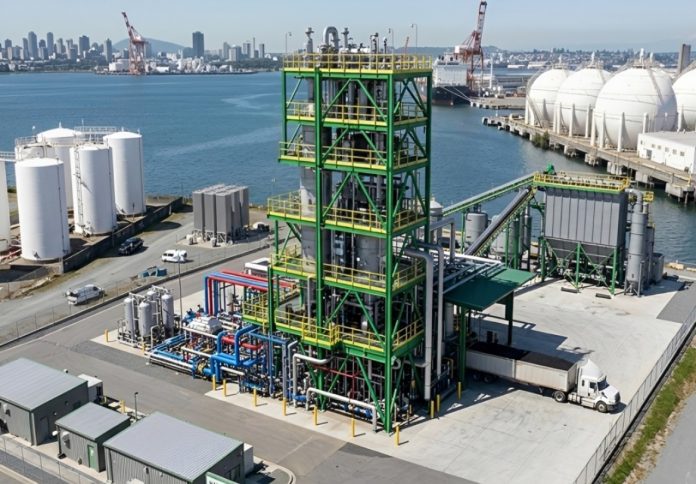
Clean energy innovators Hazer Group Ltd and KBR have just hit a major milestone that could change the game for industrial hydrogen production. They’ve wrapped up a commercial-scale Process Design Package (PDP) for their cutting-edge Hazer Process. This cool methane pyrolysis tech splits natural gas into hydrogen and solid graphitic carbon—without belching out CO₂ emissions. By rolling out a standardized engineering blueprint for facilities aiming for around 30,000 tonnes of low-emission hydrogen each year, they’re really setting the stage for a licensing push across industries like steel, ammonia, and methanol.
Can standardizing the design kickstart global turquoise hydrogen deployment?
Getting to the Bottom of Methane Pyrolysis
So, what's the secret sauce of the Hazer Process? At its core, it’s a reactor that runs at high temperatures without oxygen, breaking down methane molecules into hydrogen gas and solid carbon. Here’s where it gets interesting: iron ore acts as an inexpensive catalyst, helping the carbon to form a graphitic layer on particles. You end up with a powder that’s 80-95% graphite, perfect for battery anodes or other industrial uses. The hydrogen produced is ripe for use in fuel cells, ammonia synthesis, or any low-carbon project you can think of. And since the carbon’s solid, you’re practically wiping out direct CO₂ emissions during the whole reaction. This gives you a turquoise hydrogen route that fits neatly alongside green and blue hydrogen production methods.
Partners in Progress: Scaling Up Together
Hazer Group Ltd, the savvy Aussie clean tech company behind this process, first tested the waters at a pilot plant near Perth. Last year, they struck a binding alliance with KBR, a major player in engineering and technology with a hand in over half the world’s ammonia plants. As part of this partnership, KBR put some skin in the game by investing in joint development efforts and took on the role of Hazer’s exclusive licensing partner for markets like ammonia and methanol. The PDP alone reflects about A$140 million in development costs and incorporates state-of-the-art modeling and cold-flow testing to ensure the reactor shines at an industrial scale.
Why a Standardized Design Is a Game Changer
Instead of starting from scratch for every new site, this newly minted PDP serves up a repeatable template that makes life easier for project developers:
By bundling this process into a modular design that can adapt from 10,000 to over 50,000 tonnes per year, Hazer and KBR are aiming to pump up customer interest, ease financing woes, and tap into new revenue streams from hydrogen sales as well as synthetic graphite off-take.
Exciting Projects on the Horizon
Already, some early licensees are stepping into the spotlight under this collaboration:
What’s Next on the Horizon?
As industries worldwide race to decarbonize, turquoise hydrogen from methane pyrolysis offers a compelling option alongside green electrolysis and blue hydrogen with carbon capture and storage (CCS). This standardized PDP provides engineers and investors with a clear roadmap to weave the Hazer Process into new or existing facilities for ammonia, methanol, steel, and fuel. With a solid design in hand, Hazer's management believes licensing revenues are poised to grow right along with a global project pipeline. This means hard-to-abate sectors can cut emissions while also generating valuable graphite byproducts. And with policies getting friendlier and clean hydrogen off-take agreements on the rise, the framework laid out by Hazer and KBR might just be the spark that pushes industrial-scale turquoise hydrogen into the limelight.