Toyota's Answer to Hydrogen Station Shortages and Rising Fuel Costs
Toyota Motor Corporation has announced its plans to embark on public road tests for a new hydrogen-electric hybrid HiAce van in Australia next spring. This initiative marks a significant step in the evolution of clean energy vehicles, potentially positioning the HiAce as one of the world's first commercial vehicles powered by both a hydrogen engine and an electric motor.
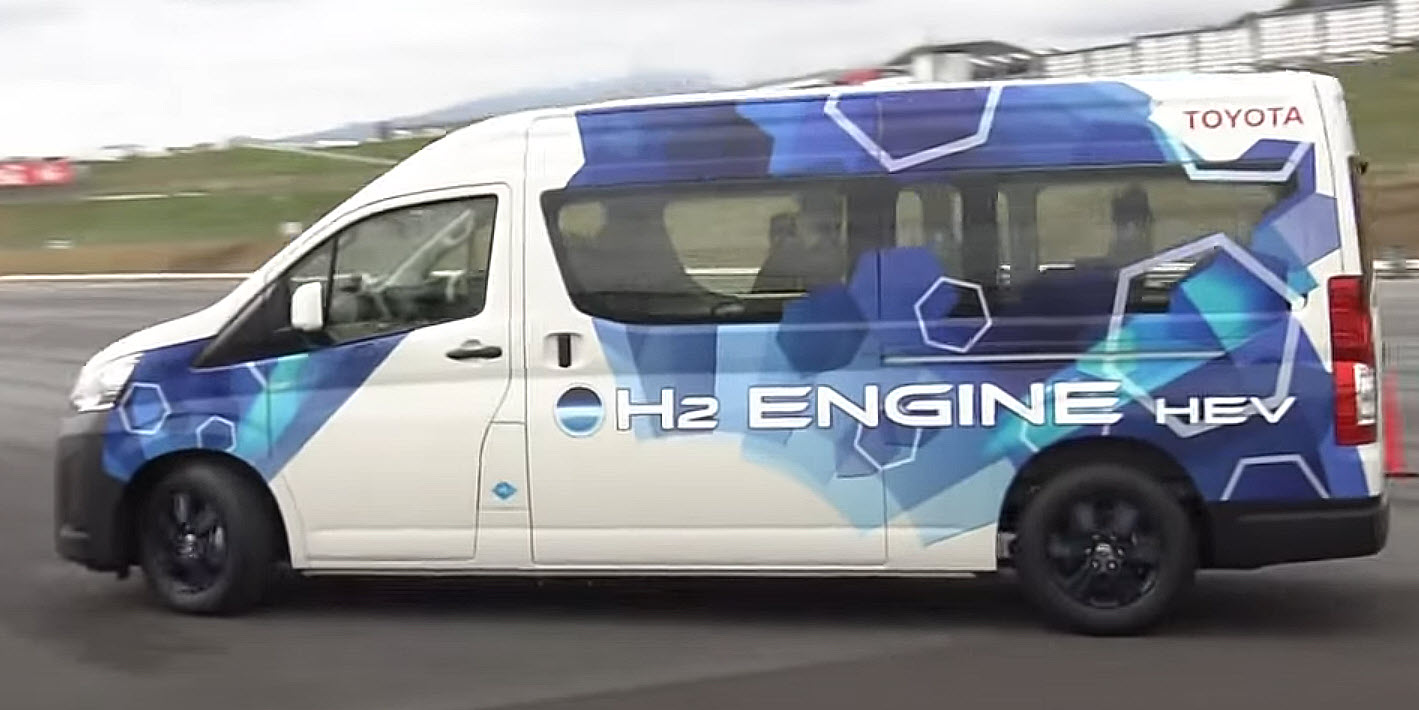
Toyota to Test Hydrogen-Electric Hybrid Van in Australia
Toyota Motor Corporation has announced its plans to embark on public road tests for a new hydrogen-electric hybrid HiAce van in Australia next spring. This initiative marks a significant step in the evolution of clean energy vehicles, potentially positioning the HiAce as one of the world's first commercial vehicles powered by both a hydrogen engine and an electric motor.
Unveiling the Hydrogen-Electric Hybrid HiAce
On November 16, 2024, Toyota unveiled its hydrogen-electric hybrid HiAce van in Shizuoka Prefecture. This cutting-edge vehicle showcases a dual power system, seamlessly integrating a hydrogen engine with an electric motor. Key features of the van include:
- Extended Driving Range: The hybrid HiAce offers a driving range extended by 20 percent, now reaching 250 kilometers compared to the range when solely operating on hydrogen. This improvement addresses one of the significant challenges faced by hydrogen-powered vehicles—limited range.
- Reduced CO2 Emissions: By utilizing a hydrogen engine, the van emits nearly zero CO2, aligning with global efforts to reduce carbon footprints and combat climate change.
- Adaptability to Local Markets: The vehicle supports Toyota's "multi-pathway strategy," which aims to provide diverse green vehicle options to cater to varying market demands and environmental policies.
Advancements in Hydrogen Engine Technology
The development of the hydrogen-electric hybrid HiAce has been propelled by significant advancements in internal combustion hydrogen engine technology. Some of the key advancements include:
- Increased Efficiency: Modern hydrogen engines are engineered to convert fuel more efficiently, maximizing the energy extracted from hydrogen.
- Enhanced Emissions Control: Technological improvements have significantly reduced the emissions associated with hydrogen combustion, bringing them close to zero.
- Infrastructure Development: Despite challenges, there has been progress in building hydrogen refueling stations, crucial for the widespread adoption of hydrogen vehicles.
- Cost Reduction: Continued research and development efforts are driving down the costs of hydrogen production and storage, making hydrogen vehicles a more feasible option for consumers.
Addressing Challenges in Hydrogen Adoption
Toyota has been venturing into hydrogen-engine vehicle testing in Australia since the previous year. The introduction of a hybrid model is a strategic move to tackle existing challenges such as:
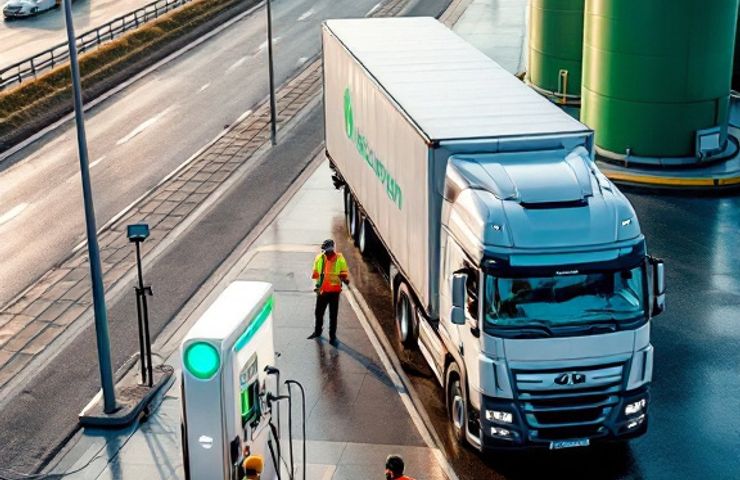
- Limited Hydrogen Refueling Infrastructure: One of the predominant hurdles is the scarcity of hydrogen stations, which limits the practical usage of hydrogen-only vehicles.
- High Operational Costs: The cost of hydrogen fuel remains a barrier for consumers, necessitating technological and economic solutions.
Toyota Executive Vice President Hiroki Nakajima acknowledged these challenges, emphasizing the company's commitment to overcoming them and realizing a hydrogen-based society.
Practical Applications and Future Projections
The hydrogen-electric hybrid HiAce van represents more than just an innovation in vehicle technology; it is a glimpse into the potential future of sustainable transportation. As this technology becomes more refined and accessible, its applications could extend beyond commercial vehicles to:
- Public Transportation: Hydrogen-electric technology could revolutionize public transit systems, providing a cleaner, more efficient alternative to traditional buses and trains.
- Logistics and Delivery: Given its extended range and low emissions, the hybrid HiAce is ideal for logistics and delivery services, especially in urban areas focused on reducing pollution.
- Emergency and Utility Vehicles: The reliability and efficiency of hydrogen-electric hybrids could make them suitable for emergency response and utility services, where environmental impact and operational cost are critical factors.
Conclusion
The rollout of Toyota's hydrogen-electric hybrid HiAce van in Australia signals a pivotal moment in the journey towards sustainable transportation solutions. By leveraging advancements in hydrogen engine technology, this initiative provides a practical framework for reducing emissions and increasing vehicle efficiency. While challenges remain, particularly in terms of infrastructure and costs, the potential applications of hydrogen-electric vehicles offer promising prospects for a cleaner, more sustainable future. As we continue to develop and integrate these technologies into our transport systems, we move closer to realizing the vision of a low-carbon economy.