Solar-to-Hydrogen Efficiency Tops 31% with Fraunhofer ISE’s HyCon CPV–PEM Module
Fraunhofer ISE’s integrated CPV–PEM module HyCon delivered a 31.3% real-sun solar-to-hydrogen efficiency, setting a new outdoor benchmark and pointing toward sub-$3/kg green hydrogen.
So, there's some exciting stuff happening over at the Fraunhofer Institute for Solar Energy Systems ISE in Freiburg, Germany. This spring, their team unveiled a cool new module called HyCon. What makes it unique? It combines concentrator photovoltaics with proton exchange membrane electrolysis. Essentially, this setup can convert sunlight directly into hydrogen, which is pretty groundbreaking! Mounted on a dual-axis tracker, they tested this prototype over 13 sunny days, boasting a remarkable solar-to-hydrogen conversion efficiency of 31.3% (that’s the higher heating value). It’s setting a new high for outdoor performance in integrated PV-electrolysis systems and giving us a glimpse into a more sustainable future.
Technical Highlights
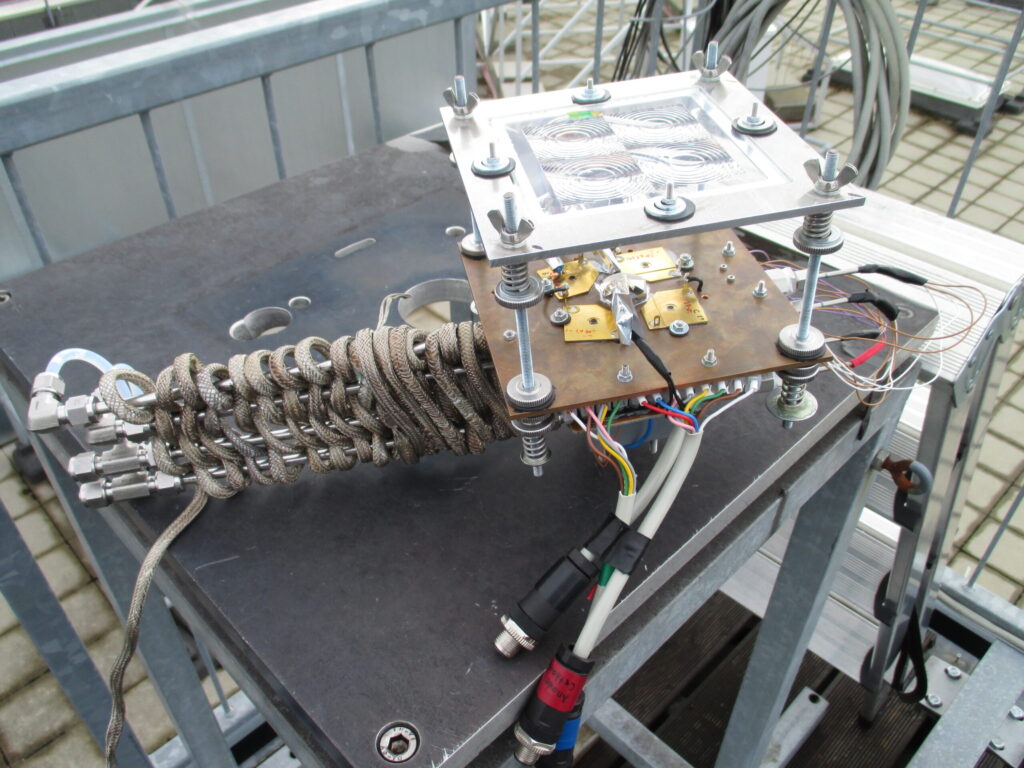
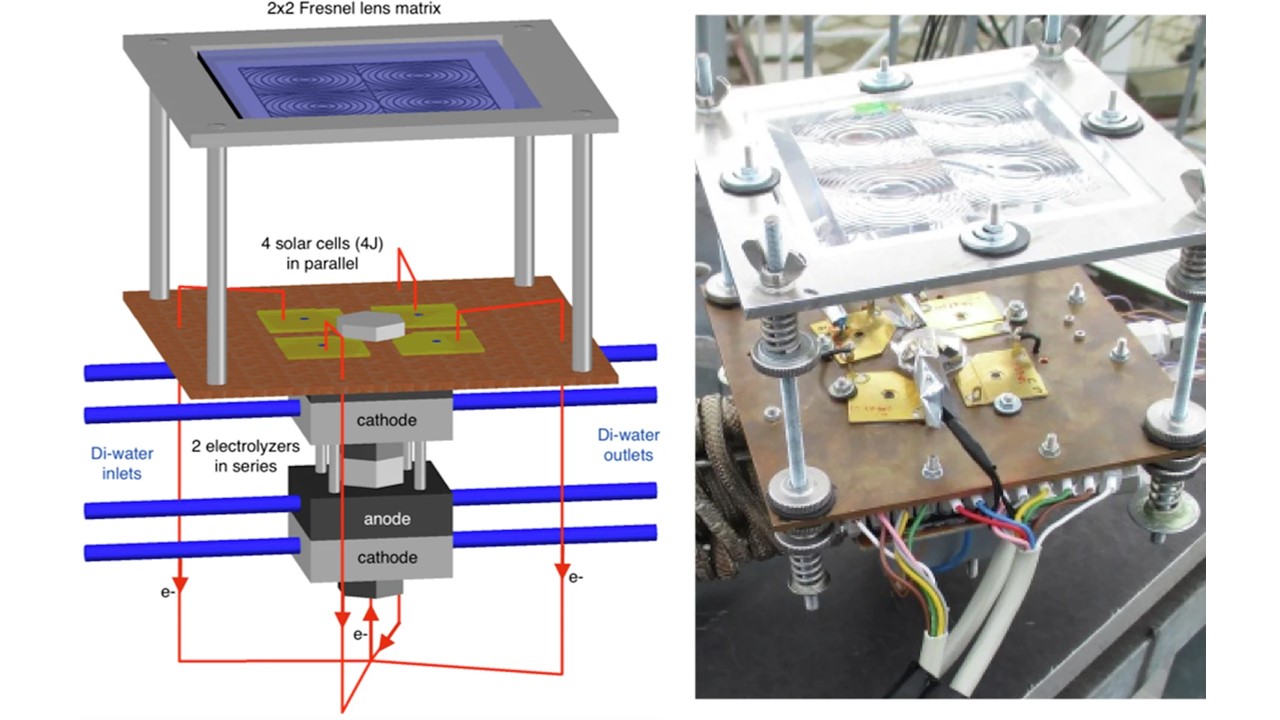
The HyCon prototype makes use of a 64 cm² array of Fresnel lenses to focus sunlight onto four parallel-connected, four-junction III-V solar cells. These nifty multi-junction devices stack materials with different bandgaps, achieving impressive electrical conversion efficiencies around 34.7% in concentrated light conditions. They’re generating over 4 V of open-circuit voltage, which is just right for splitting water without needing any extra electronics.
Plus, there’s a clever thermal coupling structure that links the CPV cells directly to two PEM electrolyzer cells wired in series. During the record-setting test, the system was running at a current density of about 368 mA/cm² with around 3.25 V across the electrolysis stack, resulting in an impressive 91.1% efficiency in the PEM subsystem. By cutting out the inverters and power conditioners, HyCon minimizes energy losses and makes integration a breeze.
Over the course of the testing in Freiburg, they saw 107 hours of dynamic operation on that dual-axis tracker. Even with changes in sunlight and temperature, the integrated module didn’t show any performance issues, showcasing its potential for reliable hydrogen production in real-life settings.
Path to Cost-Competitive Green Hydrogen
Typically, producing green hydrogen involves setting up separate PV arrays, power electronics, and electrolyzers, which all add to the cost and complexity. The HyCon solution directly couples concentrator photovoltaics with proton exchange membrane electrolysis, tackling two main challenges:
Preliminary economic models from Fraunhofer ISE suggest that at a 35% capacity factor—achievable in sunny spots—these costs could sink below $3/kg. That price point makes renewable hydrogen a serious contender for industries like heavy manufacturing, oil refineries, ammonia production, and long-haul transport, where green hydrogen is becoming increasingly sought after.
Commercialization and Strategic Outlook
To take HyCon from the lab to the real world, Fraunhofer ISE is getting ready to launch a spin-off called Clearsun Energy. This new venture will look for strategic investors to help scale the HyCon system from its small 64 cm² prototype to larger modules that span several square meters. While details about the incorporation date and business plan are still in the works, there’s a clear vision: to create a pathway for affordable concentrator photovoltaics and integrated electrolysis systems.
This spin-off is eyeing potential partnerships with EPC contractors, chemical sector hydrogen buyers, and large-scale renewable energy developers. The goal? To sync up technical performance with scalable project demands, making it easier to transition from research to commercial hydrogen projects.
Broader Implications for Hydrogen Infrastructure
This demonstration shines a light on how innovative electrolysis designs can transform the way we produce hydrogen and plan our infrastructure:
In areas receiving strong direct sunlight—think Southern Europe, Australia, and the U.S. Southwest—these CPV-based modules could sit well with silicon PV systems, delivering better yields for dedicated hydrogen production sites.
Next Steps and Challenges
Even though the HyCon achievement is a significant technical triumph, there are still some bumps in the road to widespread adoption:
Tackling these challenges through demonstration projects and partnerships will be vital to speeding up the deployment of HyCon-like systems. For those in the hydrogen infrastructure game, that 31.3% achievement in outdoor solar-to-hydrogen conversion sends a strong message: higher efficiency, direct-coupled setups should be front and center in our future green hydrogen plans.
Looking forward, as the market for green hydrogen develops, innovations like HyCon could help streamline both the capital and operational aspects of renewable hydrogen. Combining advanced concentrator photovoltaics with efficient PEM electrolysis could lead us to cost-effective hydrogen hubs—helping us reduce emissions in industries and expanding the reach of zero-emission technologies.