News
New solar energy cell technology is ultra thin and efficient
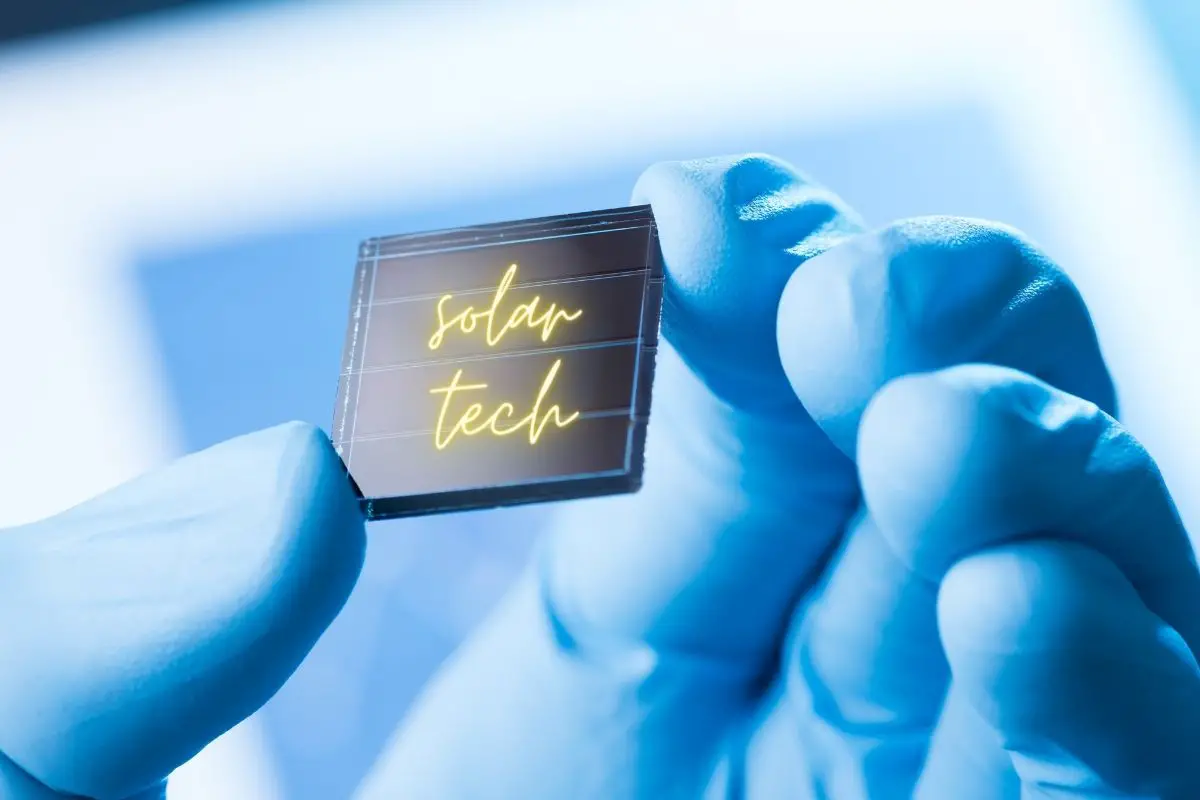
Cells 20 times thinner than a strand of human hair can be used to power drones Ultra-thin, ultra-light solar energy cells are using new technology to generate enough power for long-duration drone flights without any requirement for wired recharging. Drones are only one example of applications for this tech There are uses both on Earth and in space, for that matter, which would require autonomous energy that can keep systems independently running for extended periods of time. Johannes Kepler University (JKU) Linz researchers have developed a new, extremely thin and light solar energy cell des…
Cells 20 times thinner than a strand of human hair can be used to power drones
Ultra-thin, ultra-light solar energy cells are using new technology to generate enough power for long-duration drone flights without any requirement for wired recharging.Drones are only one example of applications for this tech
There are uses both on Earth and in space, for that matter, which would require autonomous energy that can keep systems independently running for extended periods of time. Johannes Kepler University (JKU) Linz researchers have developed a new, extremely thin and light solar energy cell design that could benefit a massive spectrum of applications. Their solution uses a cell that is not only thin and light, but also flexible, and that makes it possible for long-term self sufficiency in terms of power generation. The perovskite cells are quite stable and have an enhanced 44 watt per gram power output, providing strong performance.The next generation of solar energy technology
According to one of the research leads on the team Christoph Putz, the adaptability, ultra-low weight, and high efficiency of the cells are “the key to developing the next generation of self-sufficient energy systems.”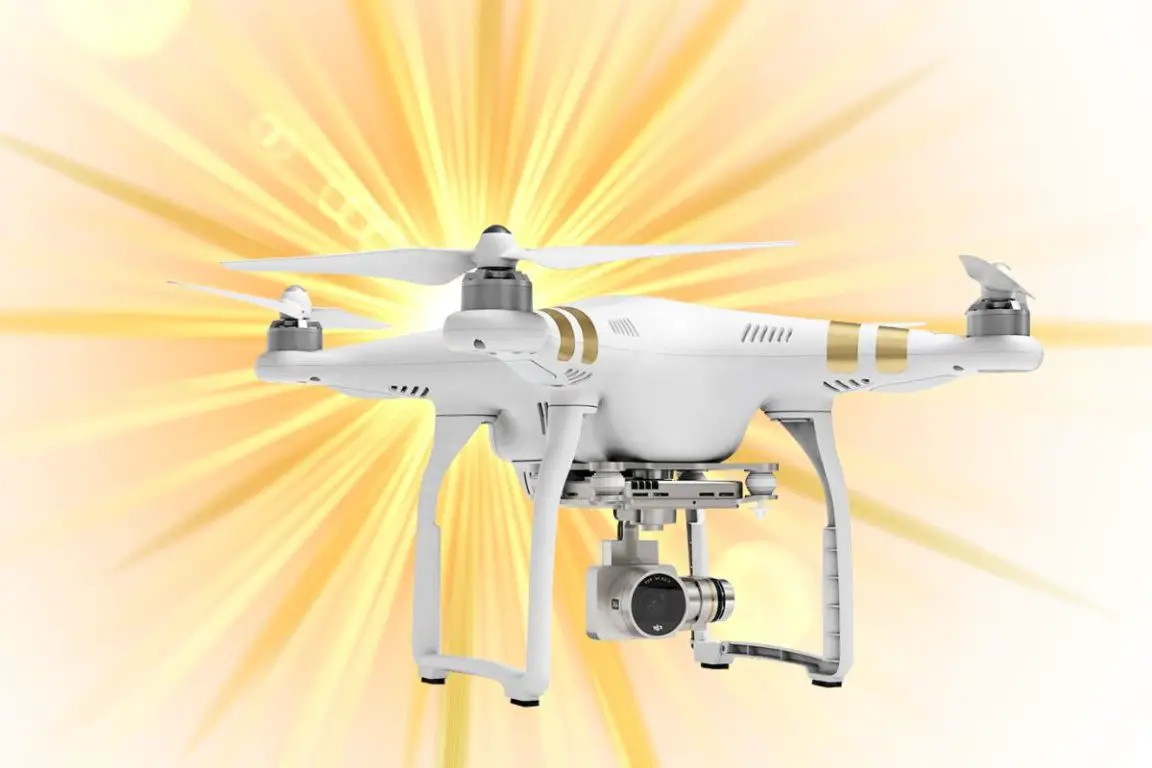 The team focused on using perovskite as a material alternative to what is typically used in solar panels. The perovskite made it possible for the researchers to create pliable, compact cells. This material is particularly good at converting sunlight into electricity, making it possible to boost efficiency while shrinking the cost of solar energy.
Moreover, these cells can be produced using spin coating and other cost-effective production methods that are much simpler than those used for producing conventional silicone panels.
The team focused on using perovskite as a material alternative to what is typically used in solar panels. The perovskite made it possible for the researchers to create pliable, compact cells. This material is particularly good at converting sunlight into electricity, making it possible to boost efficiency while shrinking the cost of solar energy.
Moreover, these cells can be produced using spin coating and other cost-effective production methods that are much simpler than those used for producing conventional silicone panels.
20 times thinner than a strand of human hair
According to researchers, perovskite cells 20 times thinner than a strand of human hair are enough to power electronics such as drones anywhere they are exposed to daylight. The cells have a 20.1 percent efficiency and are highly flexible, as they are under 2.5 micrometers thick. Their power density of 44 W/g. Beyond small electronics, the researchers have stated that these cells have many other practical everyday uses simply because they are extremely light and cost effective. Ready to test your knowledge on the most abundant element in the universe? Take our fun and engaging Hydrogen Quiz now! [forminator_quiz id="58712"]How was this article?
Thanks for the feedback!