Hydrogen news
Scientists combine solar energy and hydrogen fuel cells to create "hydricity"
Scientists are experimenting with hydricity, a new term for an increasingly common concept Scientists from Purdue University in the U.S. and the Federal Polytechnic School of Lausanne in Switzerland have begun experimenting with something called "hydricity." This is a new term for something that is becoming relatively common: The combination of solar energy with hydrogen fuel cells. Specifically, this refers to the use of thermal solar power, which has been growing more popular throughout the world, especially in countries that have become heavily invested in clean energy. Concentrated solar…
Scientists are experimenting with hydricity, a new term for an increasingly common concept
Scientists from Purdue University in the U.S. and the Federal Polytechnic School of Lausanne in Switzerland have begun experimenting with something called "hydricity." This is a new term for something that is becoming relatively common: The combination of solar energy with hydrogen fuel cells. Specifically, this refers to the use of thermal solar power, which has been growing more popular throughout the world, especially in countries that have become heavily invested in clean energy.Concentrated solar energy and hydrogen fuel cells could be a powerful mix
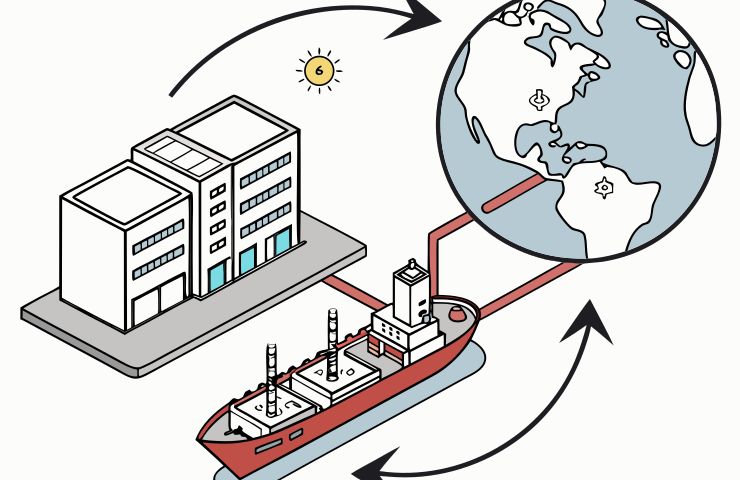
Solar thermal systems -- also known as concentrated solar energy systems -- make use of an array of mirrors to concentrate sunlight. Concentrated sunlight generates heat, which is then used to produce steam and, later, electrical power. Hydrogen fuel cells produce electricity through the consumption of hydrogen. Scientists believe that combining these two solutions could result in the emergence of a very powerful clean energy system that could benefit many countries, businesses, and other organizations.Hydricity may become a powerful source of energy for those interested in clean power
 Scientists believe that a hydricity system could be capable of producing both steam and hydrogen, with hydrogen serving as a form of chemical storage. Moreover, combining these two forms of clean power makes each of them more efficient. In terms of hydrogen fuel production, a hydricity system could be more than 50% more efficient when it comes to production. Notably, the energy such a system could generate may be able to satisfy the electricity needs of storing pressurized hydrogen.
The combination of different forms of renewable energy is becoming more common
Combining different forms of renewable energy has become a very popular concept, especially when it comes to hydrogen production. Conventional hydrogen fuel production is heavily reliant on fossil-fuels, particularly natural gas, which makes this form of clean power less environmentally friendly than other forms of clean power. By using solar energy, producing hydrogen fuel becomes more environmentally friendly and, in most cases, less expensive. Moreover, clean power can be stored as hydrogen for later use, consumed by fuel cells to produce electricity when it is needed.How was this article?
Thanks for the feedback!