Hydrogen news
Researchers advance green hydrogen in record time with AI
University of Toronto scientists used artificial intelligence to save years off H2 discovery time Researchers around the world have been looking into new ways to use the rapid advancement of artificial intelligence (AI), and that effort now includes green hydrogen. Scientists have used AI to make H2 discoveries faster The researchers are from the University of Toronto (UoT) in Canada. There, they used AI to identify a superior catalyst for producing green hydrogen. Through the use of this cutting-edge technology, the scientists were able to shave years off the time they required to arrive a…
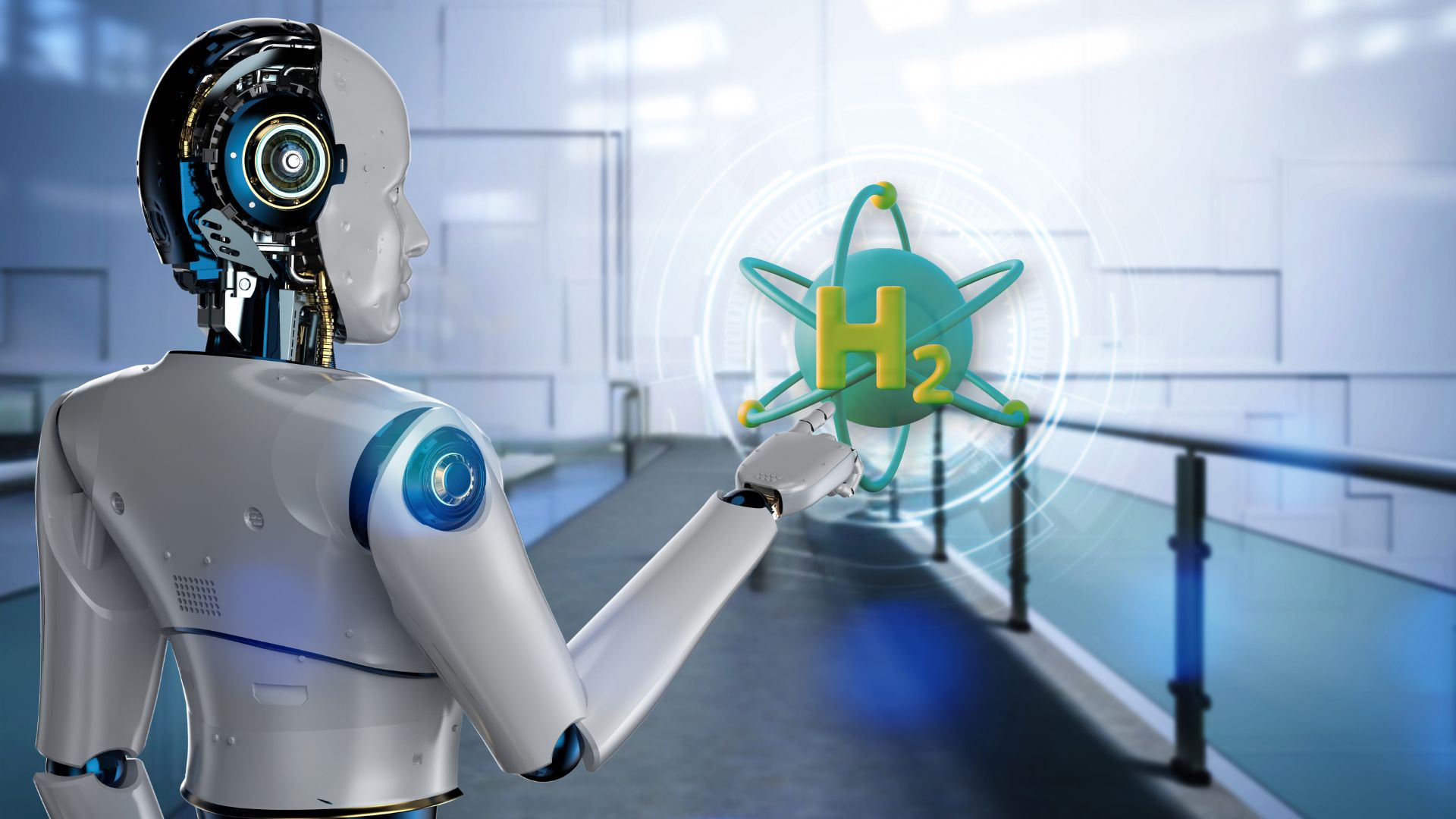
University of Toronto scientists used artificial intelligence to save years off H2 discovery time
Researchers around the world have been looking into new ways to use the rapid advancement of artificial intelligence (AI), and that effort now includes green hydrogen.Scientists have used AI to make H2 discoveries faster
The researchers are from the University of Toronto (UoT) in Canada. There, they used AI to identify a superior catalyst for producing green hydrogen. Through the use of this cutting-edge technology, the scientists were able to shave years off the time they required to arrive at their conclusions. The team was led by Jehad Abed, a PhD student at UoT. Together, the team was able to develop and train an AI program on over 36,000 metal oxide combinations. They then used their program for the identification of an alloy that would provide an effective renewable H2 production catalyst. They were also able to use the AI program they trained to conduct simulations on the alloy combinations in order to determine which among them would be the most stable, durable, and efficient when used over time for producing clean H2.Searching through billions of alloys for a green hydrogen production catalyst
The AI was capable of suggesting any of among billions of metal oxide combinations. In order to arrive at the specific types of alloys that would meet the conditions set by the researchers would have required years of human effort. That said, Abed pointed out that it took the AI program only a matter of days to make its own findings. When all was said and done, the AI program was able to point to an alloy containing ruthenium, chromium and titanium in specific proportions. According to the simulations run by the researchers, the alloy is 20 times more stable and long-lasting than the benchmark metal used by the research team.
Why is the catalyst for H2 production a big deal?
To make green hydrogen, a water electrolyzer is powered by renewable electricity such as wind or solar power. Among the primary challenges to making this practice mainstream in the world’s energy transition for decarbonization is that it is more expensive than dirtier fuels. One of the top factors driving up the cost of this production is the catalyst used in the electrolyzer. Most catalysts require rare metals in order to be able to function efficiently and have a long enough lifespan to be worthwhile. As they are rare metals, that also means that they are expensive. As a result, scientists worldwide have been looking into ways to achieve similar results from a green hydrogen electrolyzer, without having to rely on expensive precious metals, particularly if they are required in quantity. The researchers from UoT are hopeful that the alloy found using the AI technology will not only help to overcome that challenge, but will also be able to do so in far less time than would have been needed if a human team of scientists were to conduct the tests and simulations themselves.Promising catalyst for green hydrogen production
If it turns out that the catalyst is as effective as the researchers are hoping it will be, the metals that comprise the alloy could prove to be far less costly for green hydrogen electrolyzers and could help to bring down the cost of the clean energy in a meaningful way. When the researchers were able to identify and test the catalyst alloy using the AI system, they then use ultra-bright X-ray testing to assess the performance through a reaction’s course. They used the University of Saskatchewan’s Canadian Light Source research facility’s synchrotron equipment, which is recognized as being “billion of times brighter than the sun.” [embed]https://www.youtube.com/watch?v=2a6agFXPm7Q[/embed] This made it possible for the team to view “how the [AI-identified catalyst's] atomic arrangements would change and respond to the amount of electricity that we put in,” and conclude that it was a strong choice for the production of green hydrogen,” said Abed.How was this article?
Thanks for the feedback!