Hydrogen news
Reduce your pumpkin waste after Halloween, the climate will thank you
Over a billion pounds of pumpkins end up in landfills every year. Jack-o’-lanterns are one of the most commonly used decorations for Halloween and they can be a lot of fun to carve, but post trick-or-treating fun, they become pumpkin waste, with most typically being thrown in the trash. In the US alone, an estimated 1.3 billion pounds of pumpkins end up in landfills after Halloween each year. Organic waste tossed into landfills cannot effectively break down. Though many of us might assume tossing something organic like a pumpkin into the trash isn’t as bad as tossing plastic, the reality is t…

Over a billion pounds of pumpkins end up in landfills every year.
Jack-o’-lanterns are one of the most commonly used decorations for Halloween and they can be a lot of fun to carve, but post trick-or-treating fun, they become pumpkin waste, with most typically being thrown in the trash. In the US alone, an estimated 1.3 billion pounds of pumpkins end up in landfills after Halloween each year.Organic waste tossed into landfills cannot effectively break down.
Though many of us might assume tossing something organic like a pumpkin into the trash isn’t as bad as tossing plastic, the reality is that organic waste doesn’t decompose as easily as we might think in landfills. Pumpkin waste from Halloween that ends up in landfills release the greenhouse gas (GHG), methane gas. Compared to carbon dioxide (CO2), methane gas is 25 times as potent at trapping heat in the atmosphere, further contributing to the climate crisis. That’s not all, when a pumpkin is wasted, the water, energy and labor used to grow and distribute it is also wasted. For every 2.2 pounds produced, about 9.17 ounces of carbon dioxide equivalent GHG are emitted. It’s also worth noting that growing pumpkins requires lots of freshwater, which means when Pumpkins are thrown away, the freshwater used to produce them is also wasted.Sustainable ways to reduce pumpkin waste after Halloween.
If your Halloween pumpkin is still fresh, there are a number of ways to use it in a variety of tasty recipes, including soups, pies, cakes and bread. Even if you don’t feel like eating the pumpkin, leftovers can be used for a variety of DIY (do-it-yourself) projects, including making soap, face masks, candles and body scrubs.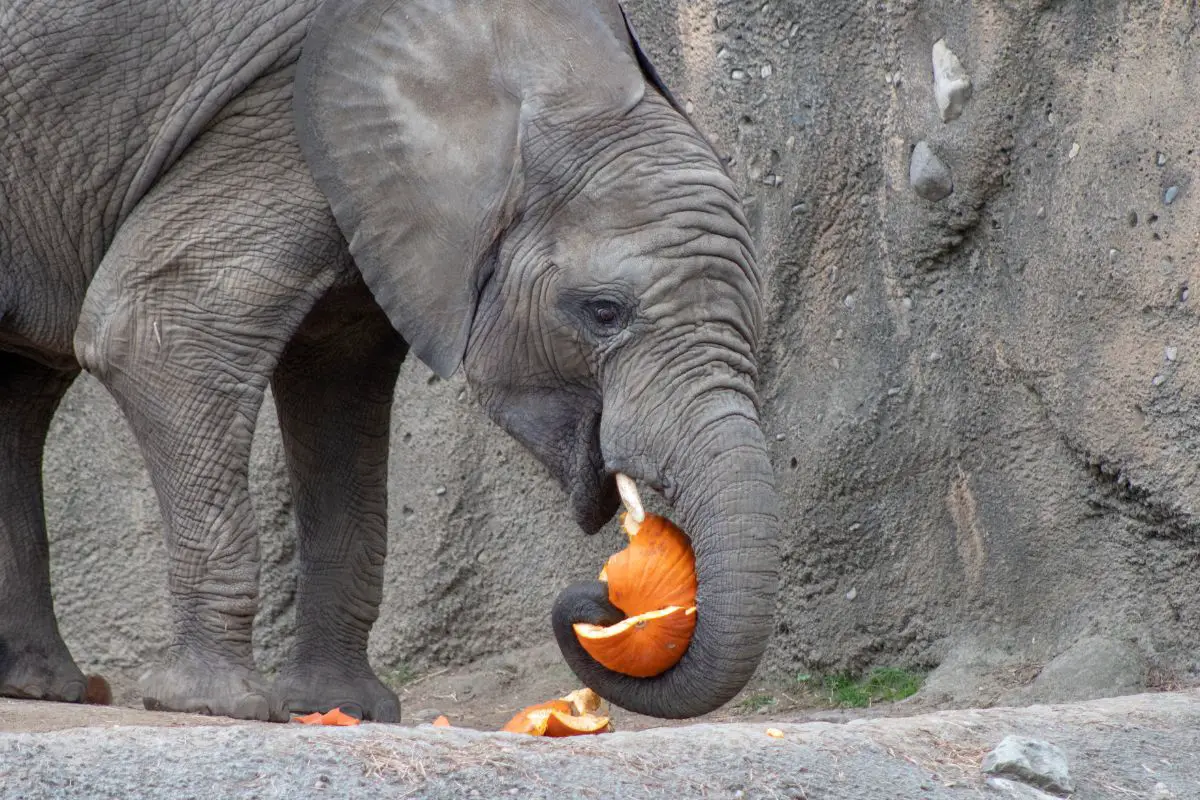 Don’t want to deal with the hassle of a leftover pumpkin through cooking and crafts? Another excellent way to reduce pumpkin waste is to donate pumpkins to zoos or farms. All sorts of animals eat pumpkins or they can be used by farmers and zoos as compost materials. Donating pumpkins to feed animals not only cuts down on waste, but pumpkins are a tasty and nutritious food, saving zookeepers and famers money on animal feed. Just make sure that any decorations added to the pumpkins for Halloween have been removed before donating them.
At-home composting, organics recycling and composting, or pumpkin smash events.
Other ways to divert pumpkin waste from landfills is to compost them at home if you have a composter, putting it out for organics recycling and composting pickup if you live in a city that supports this program, or taking the pumpkins to a composting site. Finally, many cities and communities in the US create drop off sites and pumpkin smash events for pumpkin disposal after Halloween. A quick online search for one of these sites or events will let you know what options are local to you. Ultimately, composting pumpkins lowers landfill emissions produced by organic waste, reduces waste, and re-enriches the soil, helping to decrease the effects of climate change. Ready to test your knowledge on the most abundant element in the universe? Take our fun and engaging Hydrogen Quiz now! [forminator_quiz id="58712"]How was this article?
Thanks for the feedback!