Hydrogen news
Oman shows massive potential as a competitive low-emissions renewable hydrogen supplier, says IEA report
This potential can bring multiple benefits to Oman’s road to net zero emissions. The new report from the IEA (International Energy Agency), which was recently presented to Oman’s Minister of Energy and Minerals, Salim Al Aufi, reveals how Oman is an ideal place to produce large quantities of renewable hydrogen, due to the Middle Eastern country’s premium renewable power resources and vast regions of available land. It is the first IEA report of its kind. According to the IEA, the report – Renewable Hydrogen from Oman: A Producer Economy in Transition – marks the first time the agency produced…
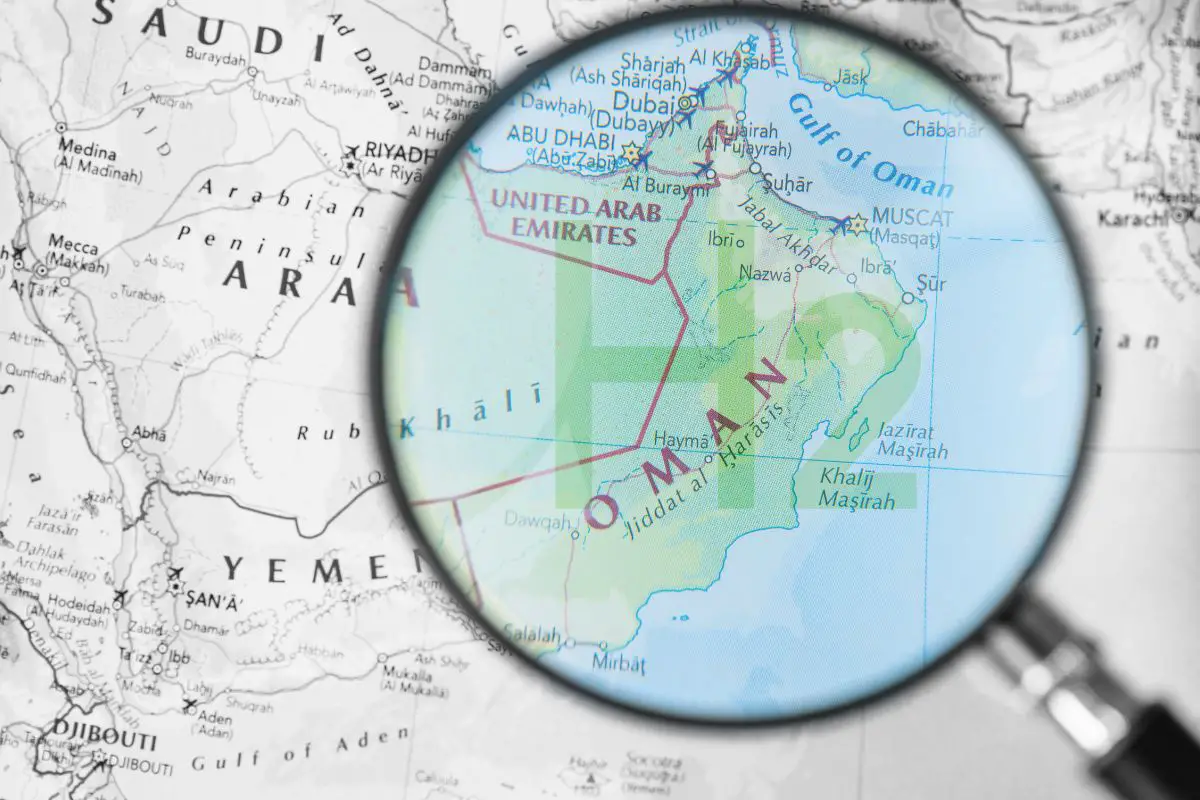
This potential can bring multiple benefits to Oman’s road to net zero emissions.
The new report from the IEA (International Energy Agency), which was recently presented to Oman’s Minister of Energy and Minerals, Salim Al Aufi, reveals how Oman is an ideal place to produce large quantities of renewable hydrogen, due to the Middle Eastern country’s premium renewable power resources and vast regions of available land.It is the first IEA report of its kind.
According to the IEA, the report – Renewable Hydrogen from Oman: A Producer Economy in Transition – marks the first time the agency produced a report that analyzed renewable H2 potential in a fossil fuel producer country. Oman is known for producing crude oil, refined petroleum, and natural gas. The analysis builds on the IEA’s continual technical cooperation with the country to support Oman’s transition to clean energy. According to the report, producing large quantities of low-emissions hydrogen can attract investment to diversify and expand Oman’s export revenue, while at the same time lower the country’s natural gas consumption and emissions.Oman’s goal is to generate a minimum of 1 million tons of renewable hydrogen annually by 2030.
From there, the country plans to produce up to 2.75 million tons by 2040 and as much as 8.5 million tons by 2050. That is more than the total current hydrogen demand in Europe. To put this into greater perspective, in energy-equivalent terms, the 2040 target would represent 80 percent of Oman’s LNG exports today, and the 2050 target would nearly double them. “Thanks to its huge potential for low-cost solar and wind, renewable hydrogen is set to bring multiple benefits to Oman,” said IEA Executive Director Fatih Birol. “The IEA is very pleased to be working with Oman on policy and technical matters as the country moves ahead on its journey to a net zero economy and shows other producer countries what is possible.”
Oman’s H2 projects will use electrolyzers.
The electrolyzers will be powered by renewable electricity. The country benefits from high-quality solar PV and onshore wind power. It also has large amounts of available land that can accommodate large scale projects. The renewable electricity-powered electrolyzers will extract hydrogen from desalinated sea water. Another benefit that will serve Oman well in becoming a major renewable hydrogen producer and supplier is that the country is conveniently situated along important market routes between Asia and Europe, and it has existing fossil fuel infrastructure that can be utilized or repurposed for low-emissions fuels. Furthermore, the nation has extensive expertise in handling and exporting LNG and ammonia that applies directly to renewable hydrogen and H2-based fuels. “From an energy perspective, Oman is better known for being an oil and gas developer, however it is also blessed with globally competitive solar and wind energy resources,” said Minister Al Aufi. The minister added that “the most economically rational action for us is to embark on using this as the most viable and sustainable energy of tomorrow, including decarbonising the power generation, local industry and hydrogen production for export.” Ready to test your knowledge on the most abundant element in the universe? Take our fun and engaging Hydrogen Quiz now! [forminator_quiz id="58712"]How was this article?
Thanks for the feedback!