Hydrogen news
Linde, Shell and ITM throw weight onto a 100 MW green hydrogen plant
The companies are collaborating on the development of a clean H2 facility in Europe Linde, Shell and ITM have come together to build a 100 megawatt (MW) green hydrogen production plant as a component of a broader strategy to expand on Europe’s existing H2 infrastructure. The plant will be constructed in Germany Shell has announced that it is building a green hydrogen plant in Germany as a component of its decarbonization strategy. They have named the plant REFHYNE II, and this 100 MW facility is slated to produce as much as 44,000 kilograms of renewable H2 per day. Linde Engineering’s role…
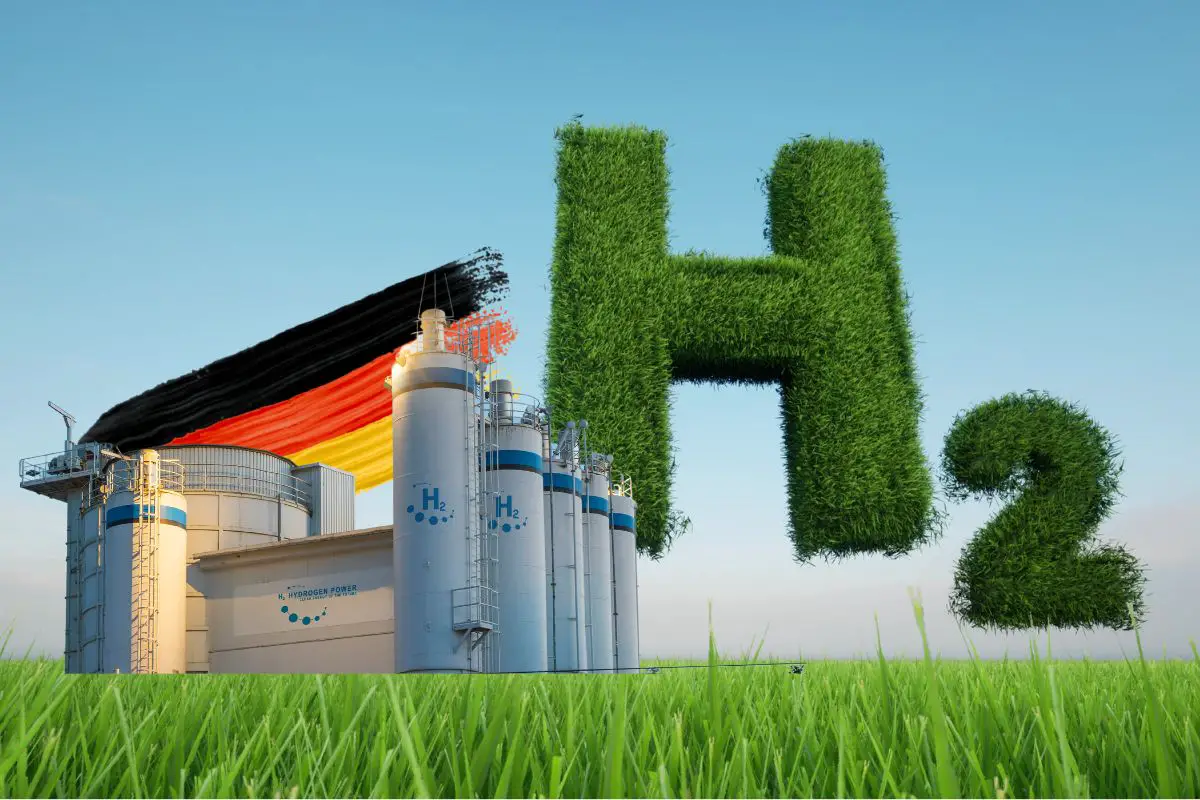
The companies are collaborating on the development of a clean H2 facility in Europe
Linde, Shell and ITM have come together to build a 100 megawatt (MW) green hydrogen production plant as a component of a broader strategy to expand on Europe’s existing H2 infrastructure.The plant will be constructed in Germany
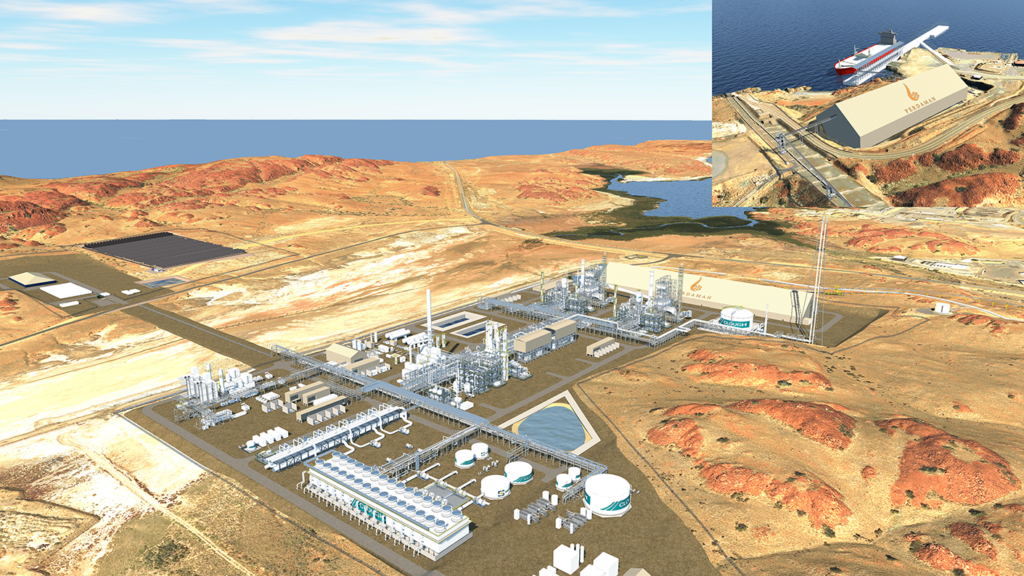
Shell has announced that it is building a green hydrogen plant in Germany as a component of its decarbonization strategy. They have named the plant REFHYNE II, and this 100 MW facility is slated to produce as much as 44,000 kilograms of renewable H2 per day. Linde Engineering’s role in this project will be to build the electrolyzer facility itself, which is expected to start operating in 2027. Shell Downstream, Renewables and Energy Solutions Director Huibert Vigeveno said that the announcement of the facility “marks an important milestone in delivering our strategy of more value with less emissions.”Focusing on green hydrogen for an H2 economy
“Investing in REFHYNE II is a visible demonstration of our commitment to the hydrogen economy, which will play an important role in helping to decarbonise Shell’s operations and customer products,” explained Vigeveno. “Our decision to invest illustrates what can be achieved with the right enabling conditions to deliver competitive projects.” Among the reasons that green hydrogen has become an important decarbonization focus in many parts of the world is that it can be both produced and used without generating carbon emissions. When it is used in fuel cells, the only emission produced is water vapor. When produced using renewable electricity to power electrolysis, greenhouse gas emissions are not produced.
That said, the most common form of H2 production is currently gray. It uses natural gas – a fossil fuel – in a process known as steam methane reforming (SMR). It breaks down methane to extract the H2, but it also releases H2 into the atmosphere.
While blue hydrogen uses those same processes, it captures the CO2 emissions for storage or use for other purposes. That said, blue H2 is far less common than grey, and its capture technologies are not perfect, meaning that some CO2 can still escape into the atmosphere.
Among the reasons that green hydrogen has become an important decarbonization focus in many parts of the world is that it can be both produced and used without generating carbon emissions. When it is used in fuel cells, the only emission produced is water vapor. When produced using renewable electricity to power electrolysis, greenhouse gas emissions are not produced.
That said, the most common form of H2 production is currently gray. It uses natural gas – a fossil fuel – in a process known as steam methane reforming (SMR). It breaks down methane to extract the H2, but it also releases H2 into the atmosphere.
While blue hydrogen uses those same processes, it captures the CO2 emissions for storage or use for other purposes. That said, blue H2 is far less common than grey, and its capture technologies are not perfect, meaning that some CO2 can still escape into the atmosphere.
A plant producing renewable H2
The REFHYNE II plant to be built in Germany will be based on renewable electricity powering electrolyzer technology. This will allow it to produce green hydrogen, which is made and used without emitting carbon dioxide into the atmosphere. “Hydrogen will play a key role in decarbonising energy-intensive industrial sectors, and Linde is at the forefront of developing the technology needed to achieve this,” explained Linde Engineering Senior Vice President of Global Sales and Technology John van der Velden. “This project draws on our decades of experience in developing hydrogen projects at scale worldwide and we are proud to have been selected by Shell to help deliver its vision for REFHYNE II.” Van der Velden also went on to underscore that the facility “also demonstrates how strong political commitment and supportive incentives can help progress the development of the hydrogen economy.”Moving Shell closer to its targets
Shell, traditionally known as a fossil fuel-based energy company, has set ambitious decarbonization targets for itself in recent years. According to its Vice President for Hydrogen Andrew Beard, steps such as this green hydrogen plant are critical to moving the company ahead toward meeting its goals. “With the 100 MW electrolysis REFHYNE II, we are further advancing Shell’s goal of being a net zero emissions company by 2050,” said Beard in a recent media release. “For Shell Energy & Chemicals Park Rheinland, REFHYNE II is a great investment and a milestone in its transition.”How was this article?
Thanks for the feedback!