Hydrogen news
Hydropanel Technology: A Path to Achieving UN Sustainable Development Goals
Pioneering Water Innovation: How Hydropanels are Reshaping our Approach to Water Scarcity Harnessing sunlight and air, hydropanel technology offers an innovative solution to global water scarcity. This article explores how this groundbreaking invention has the potential to significantly contribute to the United Nations Sustainable Development Goals (SDGs). Hydropanel Technology: An Overview Hydropanels, powered by solar energy, capture water vapor from the atmosphere and convert it into clean, potable water. Developed by the company SOURCE, these self-sustaining panels can produce water virtu…
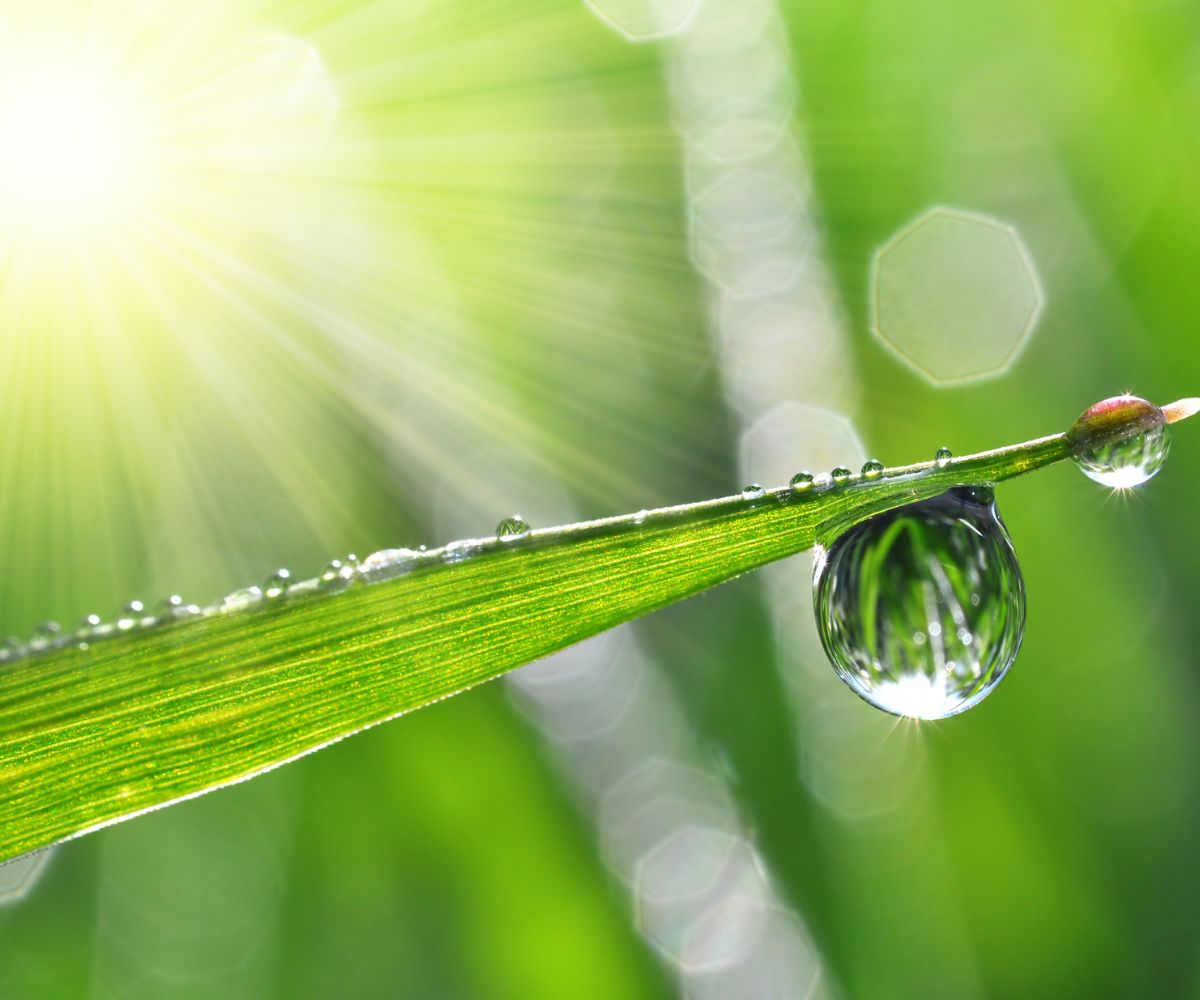
Pioneering Water Innovation: How Hydropanels are Reshaping our Approach to Water Scarcity
Harnessing sunlight and air, hydropanel technology offers an innovative solution to global water scarcity. This article explores how this groundbreaking invention has the potential to significantly contribute to the United Nations Sustainable Development Goals (SDGs).Hydropanel Technology: An Overview
Hydropanels, powered by solar energy, capture water vapor from the atmosphere and convert it into clean, potable water. Developed by the company SOURCE, these self-sustaining panels can produce water virtually anywhere, reducing reliance on traditional water sources and offering a novel approach to tackling water scarcity. What is the working principle behind hydropanels? How are hydropanels contributing to the UN's Sustainable Development Goals? Let's dive into these questions.Delving Into Hydropanel Functionality
Hydropanels function using a simple yet ingenious principle: they draw in air, condense the water vapor present using solar power, and then purify this water for use. They are scalable, flexible, and adaptable to various needs, making them suitable for a plethora of applications, from individual homes to large commercial installations. What's more, they offer the potential for water independence. With hydropanels, residences and businesses alike can produce their own drinking water onsite, thereby increasing their resilience to water scarcity or contamination issues. This resilience is key to achieving several of the UN's Sustainable Development Goals.
Hydropanels and the UN's Sustainable Development Goals
The United Nations' Sustainable Development Goals (SDGs) outline a global blueprint for peace and prosperity for people and the planet by 2030. One of the primary goals — SDG 6 — focuses on ensuring availability and sustainable management of water and sanitation for all. Hydropanel technology aligns directly with this goal. By providing a sustainable source of clean drinking water, it contributes to the objective of universal access to safe and affordable drinking water. Furthermore, by harnessing solar energy — a renewable resource — to generate water, hydropanels resonate with SDG 7, which promotes affordable and clean energy.Addressing Common Queries
What is the upfront cost? The initial investment may be higher compared to traditional water sources. However, in the long run, they offer significant cost savings by reducing the dependence on expensive bottled water or infrastructure. Who are the investors in hydropanel technology? Some of the prominent backers of SOURCE, the company behind hydropanels, include Bill Gates' Breakthrough Energy Ventures, BlackRock, Duke Energy, and the Lightsmith Group. Can hydropanels work anywhere? Yes, hydropanels can extract water vapor from the air and convert it into drinkable water in virtually any location on the planet. To wrap things up, hydropanels represent a game-changing technology that promises not only to address the pressing issue of water scarcity but also to contribute significantly to achieving the UN's Sustainable Development Goals. By offering a reliable, renewable source of clean water and promoting energy efficiency, hydropanels embody an exciting pathway towards a more sustainable future.How was this article?
Thanks for the feedback!