Hydrogen news
Microsoft’s algae brick data center will run on hydrogen fuel power
The technology giant is building about 100 low-impact data centers per year as it decarbonizes. Microsoft plans to build 50 to 100 new data centers per year and is working to make them greener with hydrogen fuel power and algae bricks. The company’s challenge to decarbonize is paired with that of keeping up with customer demand. This challenge is a considerable one as the company’s intention is to become carbon negative. While Microsoft seeks to become carbon negative, which means that it takes in more carbon than it emits, it also wants to be water positive, meaning that it uses less water t…
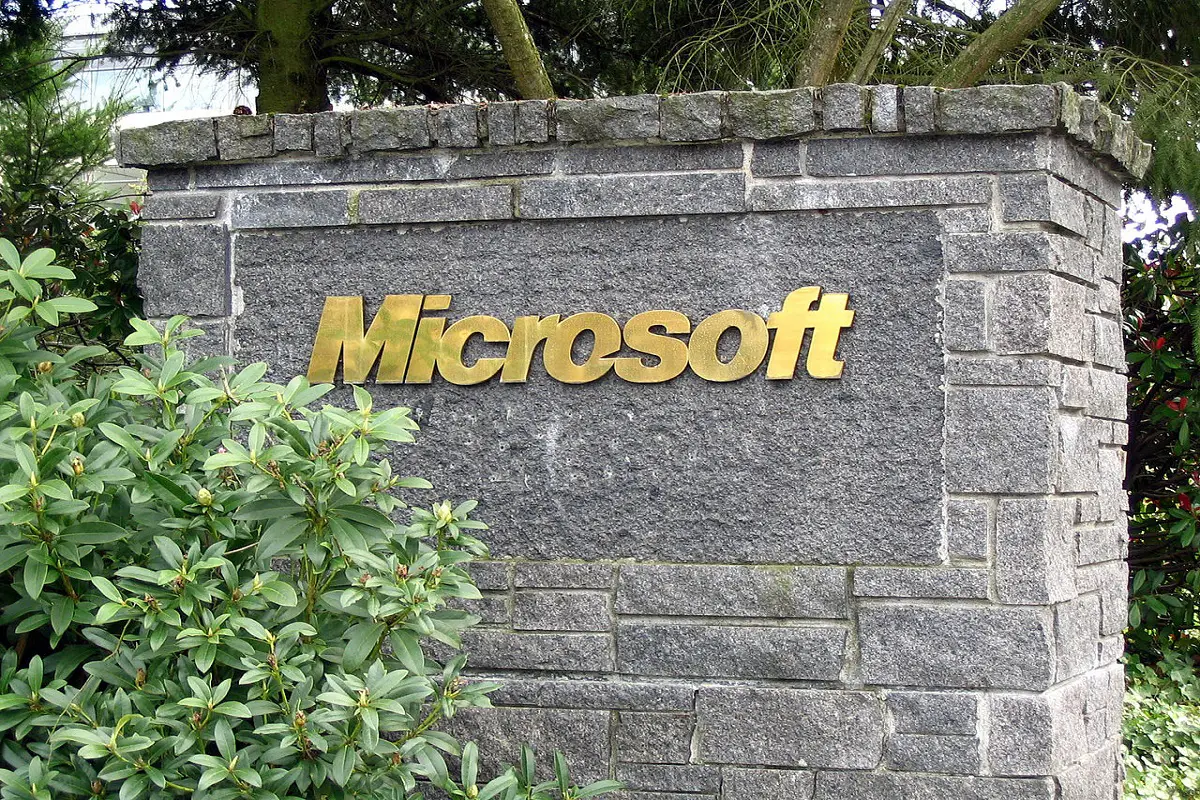
The technology giant is building about 100 low-impact data centers per year as it decarbonizes.
Microsoft plans to build 50 to 100 new data centers per year and is working to make them greener with hydrogen fuel power and algae bricks. The company’s challenge to decarbonize is paired with that of keeping up with customer demand.This challenge is a considerable one as the company’s intention is to become carbon negative.
While Microsoft seeks to become carbon negative, which means that it takes in more carbon than it emits, it also wants to be water positive, meaning that it uses less water than it releases back into the environment. Currently, even with the rapid improvements being made to efficiency, data centers remain massive energy and water consumers in order to keep themselves cool. Worldwide, the industry consumes an estimated annual 200 terawatt-hours of electricity. This power consumption is greater than what some countries use in the same amount of time. The “advanced development” team Microsoft datacenters includes researchers diving into various strategies for future data centers using solutions such as H2 backup power and far more out-there thinking like algae bricks.
The teams are investigating everything starting from hydrogen fuel power to more extreme solutions.
“We readily say the technology we need for five and ten years out doesn’t largely exist yet,” said the datacenter advanced development team’s director of innovation, JoAnn Garbin. “We investigate what’s needed. And then we create it.” The company has also announced that by 2025, it will be shifting to 100 percent renewable electricity. Moreover, it will continue its efforts to reduce its energy use. That said, in order to actually reach carbon-zero emissions, the company also needs to consider the buildings that are already in place, not just those that have yet to be built. Therefore, it needs to work with buildings already made of steel and concrete. Still, as the company moves forward, hydrogen fuel power will be central to its strategy to reach its goals. This will be a far more conventional solution to be combined with other technologies it is testing such as structural tubes made from the root-like threads that grow beneath mushrooms called mycelium, and bricks grown from algae. The latter material has considerable appeal as the algae bricks are carbon negative due to their capacity to store carbon as it grows.How was this article?
Thanks for the feedback!