Hydrogen news
Japan Airlines signs hydrogen-electric plane collabs with top global manufacturers
ZeroAvia Inc., Universal Hydrogen Co. and H2FLY GmbH are all a part of this study agreement. Japan Airlines has signed separate collaboration deals with three leading hydrogen-electric plane manufacturing companies to research everything from the economic feasibility to the maintenance and safety of the zero-emission technology. The idea is to better understand the technology from a range of different perspectives. The companies that are now collaborating with Japan Airlines on this hydrogen-electric plane study are ZeroAvia Inc., Universal Hydrogen Co. and H2FLY GmbH. The Japan Airlines airc…

ZeroAvia Inc., Universal Hydrogen Co. and H2FLY GmbH are all a part of this study agreement.
Japan Airlines has signed separate collaboration deals with three leading hydrogen-electric plane manufacturing companies to research everything from the economic feasibility to the maintenance and safety of the zero-emission technology.The idea is to better understand the technology from a range of different perspectives.
The companies that are now collaborating with Japan Airlines on this hydrogen-electric plane study are ZeroAvia Inc., Universal Hydrogen Co. and H2FLY GmbH. The Japan Airlines aircraft maintenance company, JAL Engineering Co., Ltd (JALEC) will keep up the coordination and cooperation on the airline’s maintenance systems and certifications. As Japan Airlines continues along its road to achieving net-zero carbon emissions by mid-century, it is holding a large number of broad studies to inform its future aircraft technology choices. Currently, H2 is among the main areas into which it is focusing its research.The three hydrogen-electric plane partner companies have all been testing their own H2 flights.
The companies with which Japan Airlines has partnered for the research have each already arrived at H2-powered test flights and each intend to have aircraft in service before the end of the decade. This places them among the leaders in H2 flight.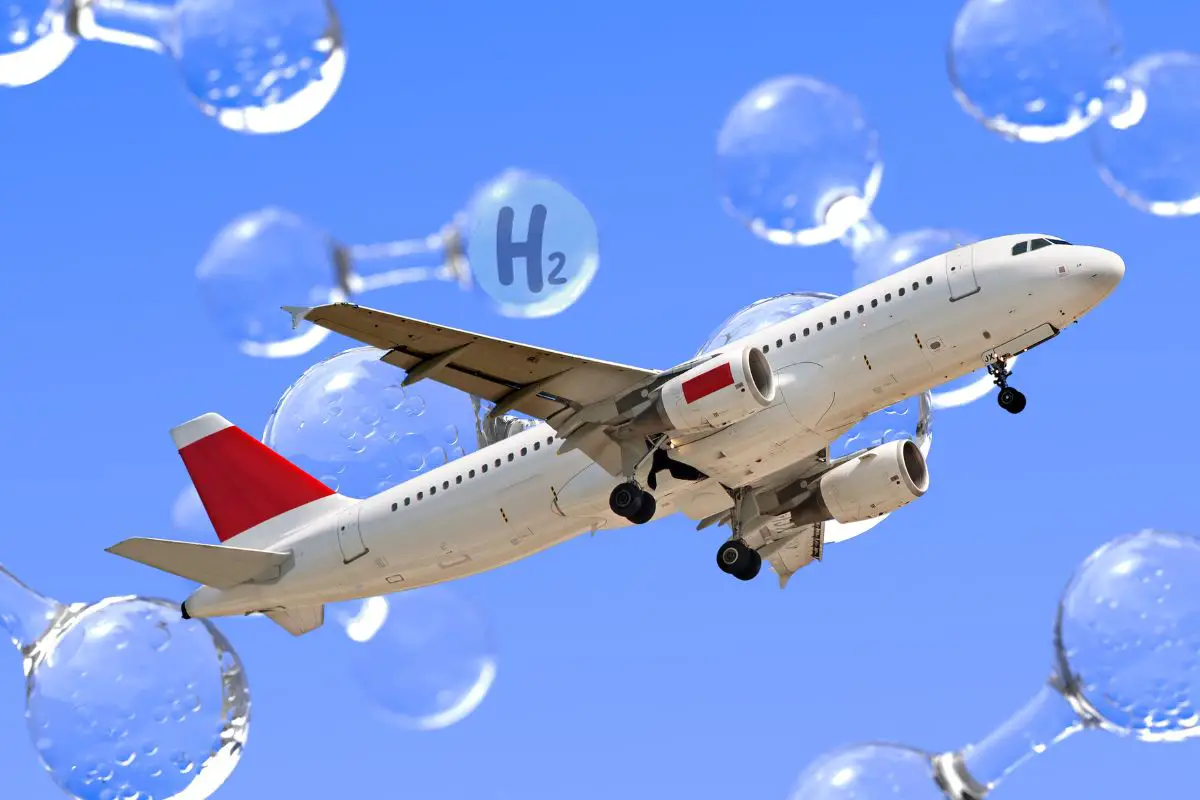 The collaboration agreements will be used as a foundation from which Japan Airlines hopes to build with each of the three companies. They are from different parts of the globe and all have their own unique take on the technology and have taken a different direction toward making zero-carbon commercial flights a reality using H2.
Research specific to Japan Airlines
The research into hydrogen-electric plane technology will be focused specifically on operations in Japan, including maintenance, economic feasibility and safety. It will also be a reflection of the airline’s knowledge within its role in the industry for the design and specifications of the type of aircraft it intends to fly. At the same time, the airline is hoping to use this collaboration to help boost public awareness of hydrogen-electric plane technology and how it will apply to the future of flight in Japan.FAQ's on what is a hydrogen electric plane, how it works and safety features
 Q1: What is a Hydrogen Electric Plane?
A1: A hydrogen electric plane is a type of aircraft that uses hydrogen fuel cells to generate electricity, which then powers the electric motors that drive the aircraft. The only byproduct of this process is water vapor, making it a zero-emission form of air travel.
Q2: How does a Hydrogen Electric Plane work?
A2: Hydrogen electric planes operate on the principle of a fuel cell, where hydrogen and oxygen are combined to produce electricity. This electricity is then used to power the motors of the plane. The hydrogen is stored in high-pressure tanks and fed into the fuel cell where it combines with oxygen from the air to generate electricity, heat, and water as a byproduct.
Q3: What are the safety features of a Hydrogen Electric Plane?
A3: Hydrogen electric planes have several safety features, including:
Q1: What is a Hydrogen Electric Plane?
A1: A hydrogen electric plane is a type of aircraft that uses hydrogen fuel cells to generate electricity, which then powers the electric motors that drive the aircraft. The only byproduct of this process is water vapor, making it a zero-emission form of air travel.
Q2: How does a Hydrogen Electric Plane work?
A2: Hydrogen electric planes operate on the principle of a fuel cell, where hydrogen and oxygen are combined to produce electricity. This electricity is then used to power the motors of the plane. The hydrogen is stored in high-pressure tanks and fed into the fuel cell where it combines with oxygen from the air to generate electricity, heat, and water as a byproduct.
Q3: What are the safety features of a Hydrogen Electric Plane?
A3: Hydrogen electric planes have several safety features, including:
- High-pressure hydrogen storage tanks that are designed to withstand impacts and extreme temperatures.
- Safety valves that allow for the controlled release of hydrogen in case of an overpressure situation.
- Hydrogen sensors throughout the aircraft to detect any leaks and initiate automatic safety protocols.
- Redundant systems for critical functions such as power generation and control systems.
How was this article?
Thanks for the feedback!