Hydrogen news
Honda is looking to hydrogen fuel cells to solve the EV e-waste problem
E-waste is already an issue overwhelming global recycling, and EVs will soon be adding to it Hydrogen fuel cells have already been defining themselves as an important part of the effort to decarbonize energy, industry, transport, and a number of other industries, and now Honda is looking to the technology to help overcome the challenge of e-waste. Electronic waste is a substantial problem worldwide The electronic waste stream from countries around the world has already overwhelmed the capacity of recyclers to handle the sheer volume of materials. Though battery electric vehicles (EVs) are me…
E-waste is already an issue overwhelming global recycling, and EVs will soon be adding to it
Hydrogen fuel cells have already been defining themselves as an important part of the effort to decarbonize energy, industry, transport, and a number of other industries, and now Honda is looking to the technology to help overcome the challenge of e-waste.Electronic waste is a substantial problem worldwide
The electronic waste stream from countries around the world has already overwhelmed the capacity of recyclers to handle the sheer volume of materials. Though battery electric vehicles (EVs) are meant to help in the global strategy to fight climate change, there has yet to be a system in place to deal with them as they enter that already overwhelmed recycling stream. This is highly problematic, particularly when it comes to their environmental friendliness as the large batteries in EVs contain precious metals that are expensive but also difficult to mine and that lead to substantial pollution to obtain. Honda is looking to hydrogen fuel cells to help overcome that challenge and ease the strain caused by the EV lifecycle, particularly in terms of their batteries.How can hydrogen fuel cells help with battery e-waste?
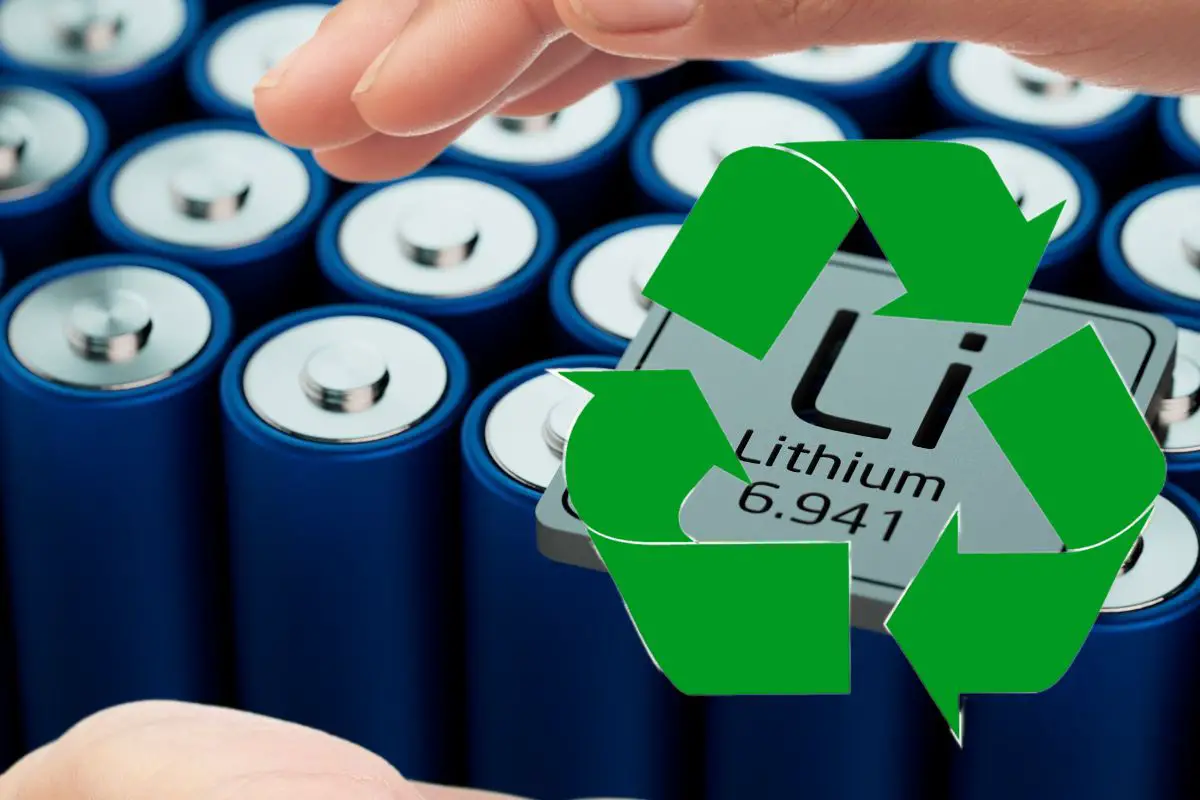
Lithium-ion batteries, the type used in EVs, contain valuable materials such as lithium and cobalt. These are expensive, challenging to mine, and are often located in areas that lead to environmental destruction to obtain them. That said, while they are all recoverable from EV batteries, that recycling industry has yet to scale up at a rate that comes close to keeping up with the volume of materials being sent its way. [caption id="attachment_63029" align="aligncenter" width="875"] Credit: Photo by depositphotos.com[/caption]
On the other hand, hydrogen fuel cells can power electric motors that require far smaller batteries, thereby requiring far less of those materials that will eventually be sent to recycling facilities.
While batteries that have degraded to 70 percent of their original capacity are typically seen as unsuitable for EV use, they can still be used for alternative applications such as secondary energy storage, giving them another 5 to 8 years in their lifespan.
Credit: Photo by depositphotos.com[/caption]
On the other hand, hydrogen fuel cells can power electric motors that require far smaller batteries, thereby requiring far less of those materials that will eventually be sent to recycling facilities.
While batteries that have degraded to 70 percent of their original capacity are typically seen as unsuitable for EV use, they can still be used for alternative applications such as secondary energy storage, giving them another 5 to 8 years in their lifespan.
Repurposing fuel cells
When it comes to hydrogen fuel cells, they can also be repurposed for extended life. Not only are the batteries that they require much smaller, but the fuel cells themselves can also be used for energy storage applications. This is precisely what Honda is investigating. Honda is looking to use old EV batteries in combination with recovered fuel cells (from its discontinued Clarity sedan) for cleaner energy solutions. Last year in March, the automaker already unveiled a demonstration-scale power station using this tech at its Torrance, California BCU campus. The idea is to build longevity into the materials used for both types of technology to reduce their impact on the e-waste stream. Ready to test your knowledge on the most abundant element in the universe? Take our fun and engaging Hydrogen Quiz now! [forminator_quiz id="58712"]How was this article?
Thanks for the feedback!