Hydrogen news
$7 Billion Pledged for Clean Hydrogen Hubs by Biden-Harris Administration
The Biden-Harris administration is injecting $7 billion into seven regional clean hydrogen hubs. The aim is to produce over three million metric tons of clean hydrogen annually, trigger over $40 billion in private investments, and create tens of thousands of jobs. Unpacking the Hydrogen Hubs and Funding Structure Mid-Atlantic Hydrogen Hub (MACH2) States Involved: Pennsylvania, Delaware, New Jersey Key Features: Decarbonization, repurposing historic oil infrastructure, development of renewable hydrogen production facilities Job Creation: 20,800 direct jobs (14,400 construction jobs and…
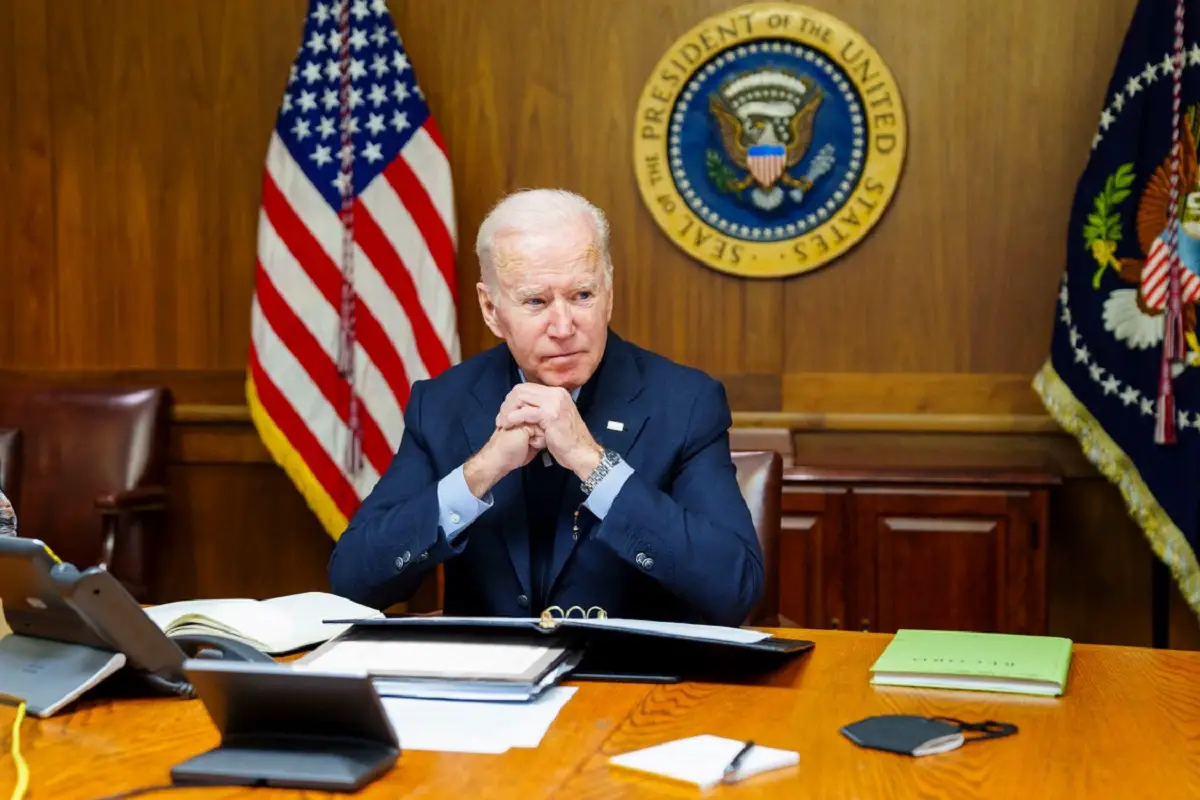
The Biden-Harris administration is injecting $7 billion into seven regional clean hydrogen hubs. The aim is to produce over three million metric tons of clean hydrogen annually, trigger over $40 billion in private investments, and create tens of thousands of jobs.
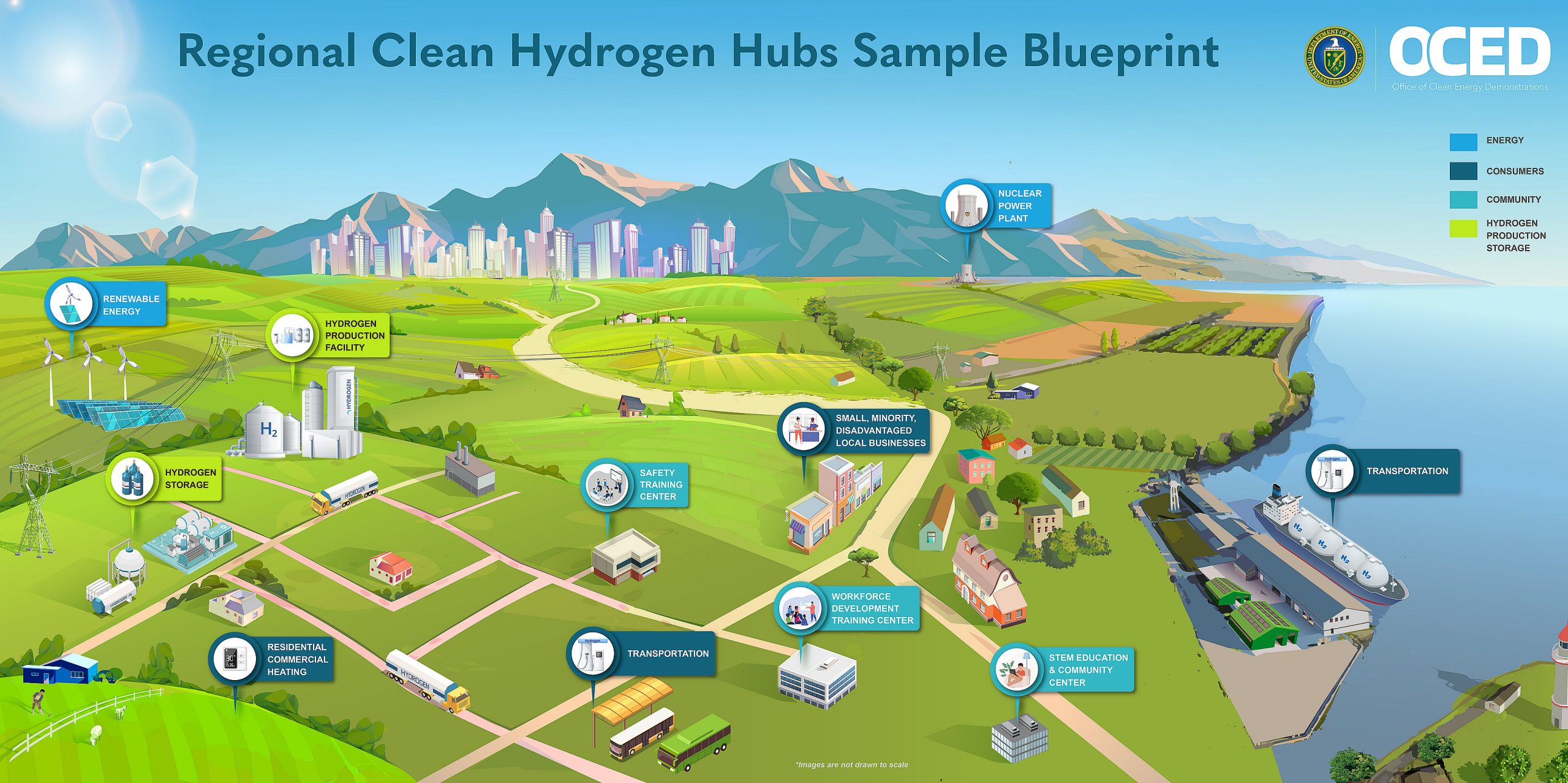 Image Credit: www.energy.gov[/caption]
Unpacking the Hydrogen Hubs and Funding Structure
Mid-Atlantic Hydrogen Hub (MACH2)
- States Involved: Pennsylvania, Delaware, New Jersey
- Key Features: Decarbonization, repurposing historic oil infrastructure, development of renewable hydrogen production facilities
- Job Creation: 20,800 direct jobs (14,400 construction jobs and 6,400 permanent jobs)
- Funding: Up to $750 million
Appalachian Hydrogen Hub (ARCH2)
- States Involved: West Virginia, Ohio, Pennsylvania
- Key Features: Producing low-cost clean hydrogen from natural gas, development of hydrogen pipelines, fueling stations, and permanent CO2 storage
- Job Creation: Over 21,000 direct jobs (over 18,000 construction jobs and over 3,000 permanent jobs)
- Funding: Up to $925 million
California Hydrogen Hub (ARCHES)
- State Involved: California
- Key Features: Production of hydrogen exclusively from renewable energy and biomass, decarbonizing public transportation, heavy-duty trucking, and port operations
- Job Creation: An expected 220,000 direct jobs (130,000 construction jobs and 90,000 permanent jobs)
- Funding: Up to $1.2 billion
Gulf Coast Hydrogen Hub (HyVelocity)
- State Involved: Texas
- Key Features: Large-scale hydrogen production from natural gas with carbon capture and renewables-powered electrolysis
- Job Creation: Approximately 45,000 direct jobs (35,000 construction jobs and 10,000 permanent jobs)
- Funding: Up to $1.2 billion
Heartland Hydrogen Hub
- States Involved: Minnesota, North Dakota, South Dakota
- Key Features: Decarbonization of the agricultural sector's fertilizer production, advancement of clean hydrogen use in electric generation and cold climate space heating
- Job Creation: Upwards of 3,880 direct jobs (3,067 construction jobs and 703 permanent jobs)
- Funding: Up to $925 million
Midwest Hydrogen Hub (MachH2)
- States Involved: Illinois, Indiana, Michigan
- Key Features: Decarbonization through strategic hydrogen uses including steel and glass production, power generation, refining, heavy-duty transportation, and sustainable aviation fuel
- Job Creation: 13,600 direct jobs (12,100 construction jobs and 1,500 permanent jobs)
- Funding: Up to $1 billion
Pacific Northwest Hydrogen Hub (PNW H2)
- States Involved: Washington, Oregon, Montana
- Key Features: Production of clean hydrogen exclusively from renewable sources, use of electrolyzers to reduce the cost of hydrogen production
- Job Creation: More than 10,000 direct jobs (8,050 construction jobs and 350 permanent jobs)
- Funding: Up to $1 billion
Image Credit: www.energy.gov[/caption]
Additional Clean Hydrogen Programs by the Department of Energy
- Clean Hydrogen Electrolysis Program: Will receive $1 billion
- Clean Hydrogen Manufacturing and Recycling R&D activities: Will receive $500 million
Biden's Administration Commits a Total of $65 Billion to Investments in Clean Energy
The Bipartisan Infrastructure Law, endorsed by President Biden, allocates $65 billion total towards clean energy initiatives under the jurisdiction of the Department of Energy (DOE). A significant portion of this budget, $8 billion to be precise, is dedicated to a program known as the Regional Clean Hydrogen Hubs Program. This initiative aims to facilitate the creation of regional hubs that focus on the production, delivery, and utilization of clean hydrogen. Hydrogen, a versatile energy carrier, can be derived from a variety of domestic resources. These include renewable sources like solar and wind power, nuclear energy, biomass, and even natural gas, provided it is accompanied by safe and responsible carbon capture methods. The resultant hydrogen has very low greenhouse gas emissions, making it an environmentally friendly energy option.Two Other Hydrogen Projects Receiving Funding
The Department of Energy (DOE) is leveraging funds from the Bipartisan Infrastructure Law and the Inflation Reduction Act to develop a range of technologies for clean energy production. The primary goals are to invest in clean manufacturing, address the climate crisis, and boost energy security. One of DOE's key initiatives is the Hydrogen Shot, which intends to lower clean hydrogen costs by 80%, aiming for $1 per kilogram, which is key, within the next decade. To complement this, the DOE has unveiled additional resources for research and development in clean hydrogen. The newly introduced Hydrogen Hub Matchmaker resource is designed to assist clean hydrogen producers, end-users, and others to identify opportunities and build networks for production, storage, and transportation infrastructure. Furthermore, the DOE has launched two substantial clean hydrogen programs:- The Clean Hydrogen Electrolysis Program - This program, backed by $1 billion in funding, focuses on electrolysis, a process that uses electricity to split water into hydrogen and oxygen. This method enables clean hydrogen production from carbon-free power sources such as wind, solar, and nuclear. The goal of the program is to enhance the efficiency and cost-effectiveness of these technologies, supporting the complete innovation chain from research, development, and demonstration to commercialization and deployment.
- Clean Hydrogen Manufacturing and Recycling RD&D Activities - With a budget of $500 million, this initiative will bolster American manufacturing of clean hydrogen equipment. It includes projects aimed at improving efficiency and cost-effectiveness, and it supports domestic supply chains for crucial components through the Bipartisan Infrastructure Law’s Clean Hydrogen Manufacturing Initiative. In addition, the DOE has announced funding for the Clean Hydrogen Technology Recycling Research, Development, and Demonstration Program to encourage innovative methods to reuse and recycle clean hydrogen technologies.
How was this article?
Thanks for the feedback!