Hydrogen news
New graphene anode could lead to better lithium-ion batteries
Graphene used to make new battery anode Engineers from the Rensselaer Polytechnic Institute (RPI) in New York have created a battery anode using the world’s thinnest material: Graphene. RPI engineers believe that the battery anode they have developed could be used to power a wide variety of electronics, but may be ideally suited for use in electric vehicles. Research suggests that the graphene they use can be charged and discharged ten times faster than the graphene that is used in conventional lithium-ion batteries. Graphene anode is more efficient and powerful than its conventional counterp…
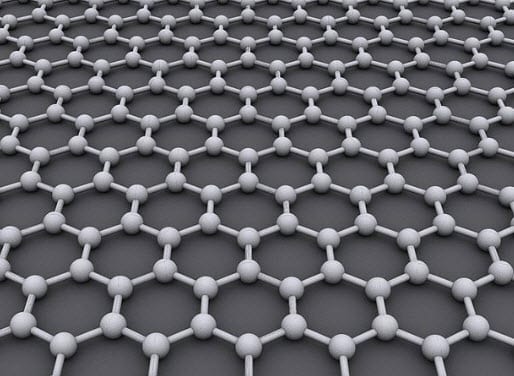
Graphene used to make new battery anode
Engineers from the Rensselaer Polytechnic Institute (RPI) in New York have created a battery anode using the world’s thinnest material: Graphene. RPI engineers believe that the battery anode they have developed could be used to power a wide variety of electronics, but may be ideally suited for use in electric vehicles. Research suggests that the graphene they use can be charged and discharged ten times faster than the graphene that is used in conventional lithium-ion batteries.Graphene anode is more efficient and powerful than its conventional counterparts
Researchers took graphene and exposed it to a laser or, in some instances, the flash of a camera, which created a myriad of fissures and pores and other blemishes on the material. These nearly imperceivable imperfections turn the graphene into a highly effective anode, which engineers claim is much more powerful than conventional graphene anodes. The graphene anode developed by RPI engineers boasts of a high energy density. If used in a lithium-ion battery, the battery would have an extended lifetime and could recharged much more quickly than conventional models.Batteries could get a boost from new anode
Lithium-ion batteries are common energy systems in many electronics, such as laptops and mobile devices. They are also a primary component of electric vehicles. Electric vehicles make use of high performance lithium-ion batteries, which are capable of keeping a car running for long distances as well as power the other operations of a vehicle. These batteries are often subject to criticism, however, as they are typically considered to be not as powerful as they could be. Automakers developing electric vehicles are constantly researching ways to improve and make use of better lithium-ion batteries.Graphene may improve lithium-ion batteries without requiring overhauls of existing technology
Graphene is a common component of lithium-ion batteries and form the anodes used in the energy systems. RPI engineers believe that if their graphene anode was used in conventional lithium-ion batteries, their performance and longevity could be improved dramatically. This would not require any dramatic renovations to existing batteries and could be an economically viable way to improve the technology. Related article(s) and resources: http://www.sciencedaily.com/releases/2012/08/120822181236.htm?utm_source=feedburner&utm_medium=feed&utm_campaign=Feed%3A+sciencedaily%2Fmatter_energy%2Ffuel_cells+%28ScienceDaily%3A+Matter+%26+Energy+News+--+Fuel+Cells%29How was this article?
Thanks for the feedback!