Hydrogen news
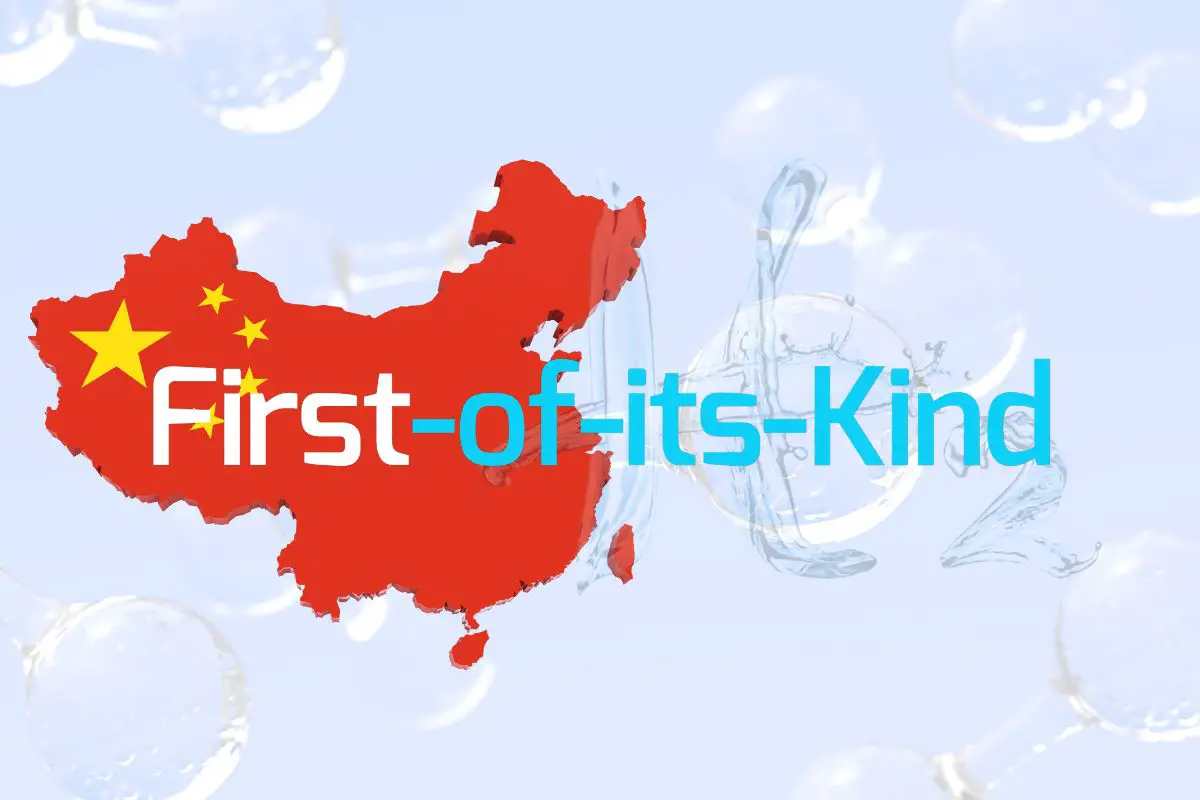
China has created a massive first-of-its-kind liquid hydrogen system
The unit is vehicle mounted and is able to hold as much as 100 kilograms of H2 The first ever 100-kilogram class vehicle-mounted liquid hydrogen system development has been announced in China, setting a new milestone for the sustainable transport sector in the country. The technology represents a substantial step forward for China Behind the development of the liquid hydrogen system is the China Aerospace Science and Technology Corporation (CASC). The system has been designed to be used by road vehicles such as trucks, which will be able to achieve clean propulsion through its use. The syst…
The unit is vehicle mounted and is able to hold as much as 100 kilograms of H2
The first ever 100-kilogram class vehicle-mounted liquid hydrogen system development has been announced in China, setting a new milestone for the sustainable transport sector in the country.The technology represents a substantial step forward for China
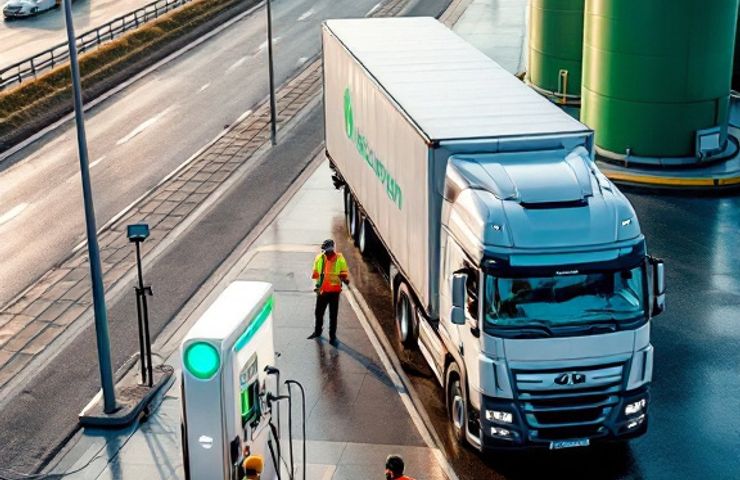
Behind the development of the liquid hydrogen system is the China Aerospace Science and Technology Corporation (CASC). The system has been designed to be used by road vehicles such as trucks, which will be able to achieve clean propulsion through its use. The system is produced entirely within China and is among the core components to be used by heavy trucks powered by H2. Its design is meant to improve the range of those vehicles, allowing them to travel over 1,000 kilometers (about 620 miles) on a full tank.When compared to the previous model, this liquid hydrogen system is much bigger
The previous model of this system had a notably smaller capacity. In fact, this new version has increased capacity by about 20 percent in terms of effective volume, without increasing the overall dimensions of the storage tank. At the same time, the new tank is far more affordable, as the design costs 30 percent less to produce.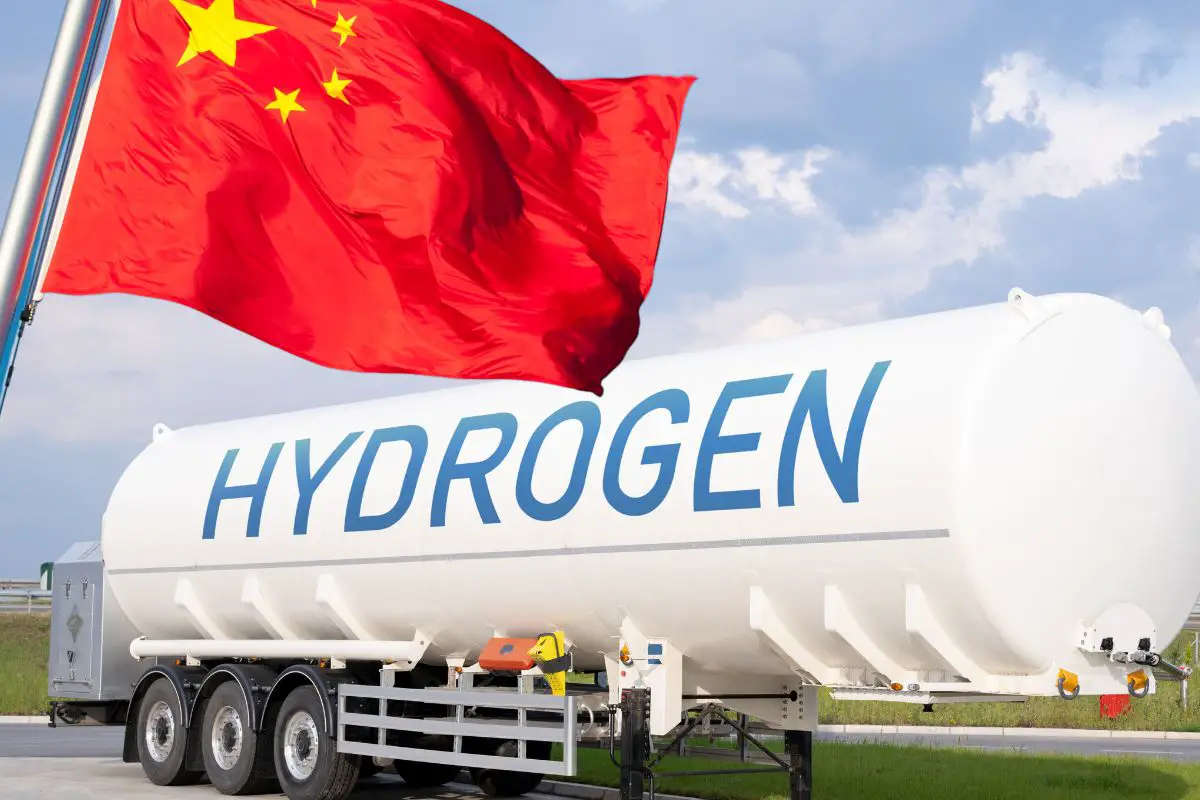 By providing a liquid hydrogen tank able to carry up to 100 kilograms, it is able to match international system quality standards. It also matches H2 storage density and refueling time, according to a CASC representative.
Moving rapidly forward
China has been making a concerted effort to move forward steadily in the H2 ecosystem, clearly determined to be a major player in this form of clean energy. They have been advancing in several key areas when it comes to H2, including in vehicle design, distribution, and storage. Though the majority of the efforts within the country have been focused on H2 in its gaseous form, this represents a leap forward in the use of liquid hydrogen as well, showing that there is a spectrum of research being conducted within the country as its hydrogen economy continues to rapidly develop.How was this article?
Thanks for the feedback!