Lhyfe Delivers Green Hydrogen for First Industrial Ceramics Combustion Trial in Spain
Lhyfe completed its first green hydrogen combustion trial in Spain’s ceramics sector, delivering three tonnes of hydrogen from its Bessières site and retrofitting burners to achieve 100% substitution. The test demonstrates a logistics-based decarbonization pathway for high-temperature industrial processes.
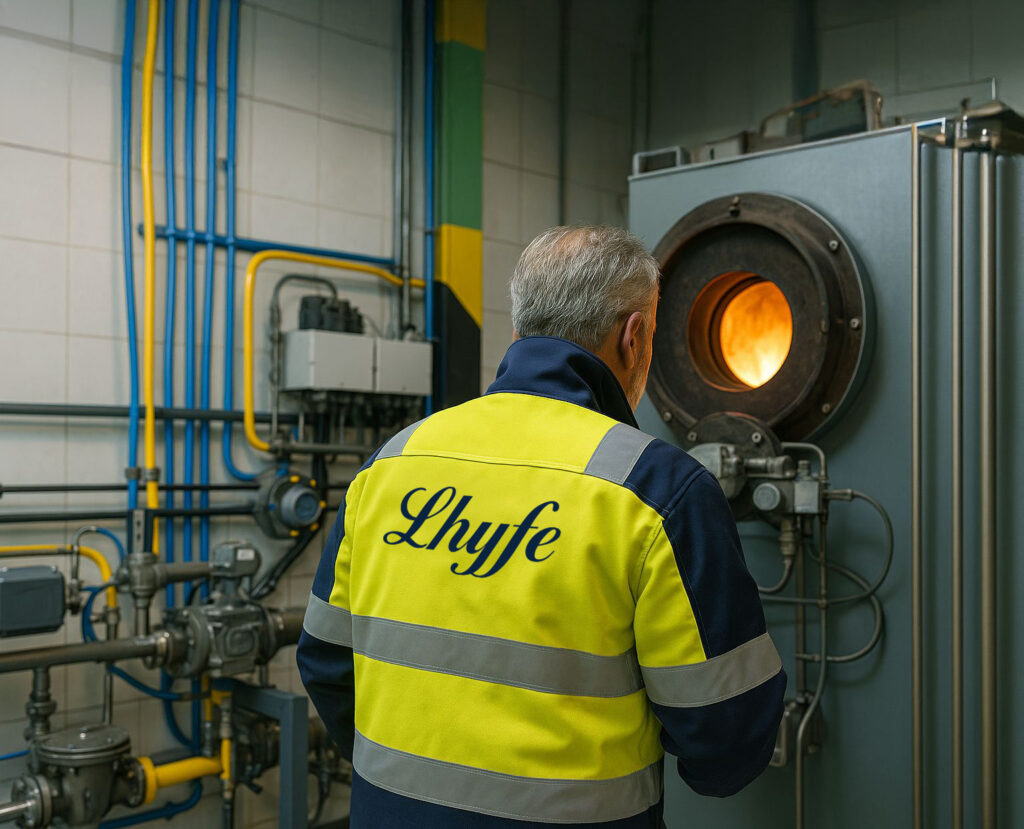
Lhyfe has taken a big step forward in green hydrogen production by wrapping up its first industrial combustion test in the ceramics sector over in Spain. This trial, which took place in the Valencian Community, was a pretty cool experiment that swapped out natural gas for hydrogen in high-temperature kilns. And, on top of that, it marked Lhyfe's first-ever cross-border delivery of renewable hydrogen into Spain. Talk about exciting times as the push for industrial decarbonization is transitioning from small-scale pilots to real-world projects across Europe!
Spain’s been busy shaping its hydrogen landscape with national initiatives and support from the EU. Places like Valencia and Castellón are already targeting low-carbon heat and power, and with early supply models that blend logistics and retrofits, it looks like they’re gearing up for some speedy emission cuts.
This demonstration tackles a big headache for ceramics producers: figuring out how to decarbonize high-temperature processes without having to redesign their entire plants. That’s a game-changer, for sure!
Technical Dive
The heart of Lhyfe’s strategy revolves around a proprietary hydrogen combustion retrofitting kit. Rather than going through the hassle of installing new heating systems, operators just need to swap out their burners and add a mixer to balance the hydrogen-to-gas ratio. Engineers keep a close eye on things like flame lift-off, temperature uniformity, and exhaust composition to make sure that as they increase the hydrogen share, performance stays intact.
At the Bessières site, there’s a 5 MW electrolyser running on renewable electricity that cranks out around two tonnes of green hydrogen daily. They compress this gas to 300–350 bar and put it into high-pressure tube trailers to transport it across the Pyrenees to Valencia. During transit, real-time telemetry keeps track of pressure, purity, and delivery temperatures, giving them crucial data to help scale up this hydrogen infrastructure concept.
While one report from Spain claimed a four-tonne figure, most sources, including Lhyfe’s official announcement, confirm it was a three-tonne delivery. This underscores just how important it is to have consistent metrics in the developing hydrogen supply chain.
Business and Strategic Implications
For Lhyfe, which has its hands in production and logistics across Europe—from Germany and the Benelux to Sweden and Denmark—stepping into the Spanish market fits nicely into their multi-pronged growth strategy. They have their eyes set on the Vallmoll project in Tarragona as well, which will feature a 15 MW electrolyser facility supported by up to €14 million from the H2 Pioneros programme. This facility is set to serve local industrial customers through a dedicated pipeline, while the Valencia delivery showcases a mobile supply model.
The mixing kit and burner retrofit approach come with some pretty strategic benefits. They lower the barrier for early adopters by cutting down on both downtime and capital costs. Lhyfe believes this approach holds potential for replication in other sectors like cement, steel, glass, and non-ferrous metals—though we’ll have to wait for broader validation on that front.
Sector Context
The Valencian Community is a ceramics heavyweight, with clusters around Castellón producing everything from tiles to tableware. The kilns in this area are working around the clock at temperatures often exceeding 1,000 °C, typically fueled by fossil gas. Electrification options face challenges like limited grid capacity and high upfront costs. But hydrogen combustion retrofits can plug right into existing infrastructure and leverage renewable electricity available from broader European markets.
Pilots in Spain have already dabbled with hydrogen-blending trials within the gas network, showing that blends up to 20% are doable. However, until Lhyfe’s demonstration, full hydrogen combustion in ceramic kilns hadn’t been tested at a commercial scale.
Economic and Environmental Considerations
Now, it’s worth noting that green hydrogen still carries a price premium compared to fossil gas. Costs can vary quite a bit by region, and without subsidies or carbon pricing mechanisms, it usually sits higher. Still, burner retrofits require only a fraction of the investment needed for brand-new electric heating systems or hydrogen-only setups, making early projects a bit more wallet-friendly.
From an environmental standpoint, switching to hydrogen at the combustion point wipes out direct CO₂ emissions—provided that the electricity for the electrolyser comes from renewable sources. Yes, transport energy and compression losses need to be considered, but central production combined with road-based logistics can efficiently serve multiple sites where pipelines aren’t yet in place.
Policy and Market Drivers
Spain’s national hydrogen strategy, coupled with EU funding streams like the Recovery and Resilience Facility, is making it more appealing for businesses to sign hydrogen offtake agreements. Grants such as H2 Pioneros aim to help bridge the gap between pilot projects and large-scale operations.
Meanwhile, the EU’s Renewable Energy Directive II is stepping up by requiring Guarantees of Origin for green hydrogen, which promotes transparency in low-carbon supply chains. Together, these policies set the stage for more offtake agreements and fresh financing innovations tailored for hydrogen projects.
Comparative Landscape
This blend of full substitution trials, logistics demonstrations, and support schemes is painting a clearer picture of various pathways for different industrial contexts to tap into.
Looking Ahead
While the three-tonne delivery is just a starting point, it sets a reference for what hydrogen supply chains can do today. There are a few key areas to keep an eye on:
As hydrogen production and hydrogen storage solutions continue to develop, industrial consumers will weigh the options between logistics and onsite generation, all influenced by project economics and regulatory rules. Lhyfe’s Valencia trial offers a real-world glimpse into this budding decision-making framework.
As we march towards a zero-emission heavy industry, trials like this one underscore both the potential and challenges ahead. By blending existing setups with renewable fuels, the ceramics sector—and other heat-intensive industries—can make real strides before they’re ready for massive overhauls or new network developments.
Everyone involved should keep an eye out for updates on operational efficiency, cost per tonne delivered, and long-term equipment performance. These insights will play a crucial role in shaping the next round of hydrogen offtake agreements and determining the overall roadmap for industrial decarbonization.