Hydrogen news
Airbus opens new center dedicated to hydrogen tech research
The multinational aircraft manufacturer is giving it’s ZEROe project more H2 support. Airbus has opened a new ZEROe Development Center (ZEDC) in Stade, Germany for the purpose of hastening the progress of hydrogen tech, more specifically to develop composite hydrogen-system technologies for storing and distributing cryogenic liquid H2. Developing cost-competitive lightweight H2 systems. Airbus is no stranger to developing composite technologies – both in materials and manufacturing processes. Though it has long been a pioneer in Germany in this field, the focus for the Stade ZEDC is to develo…
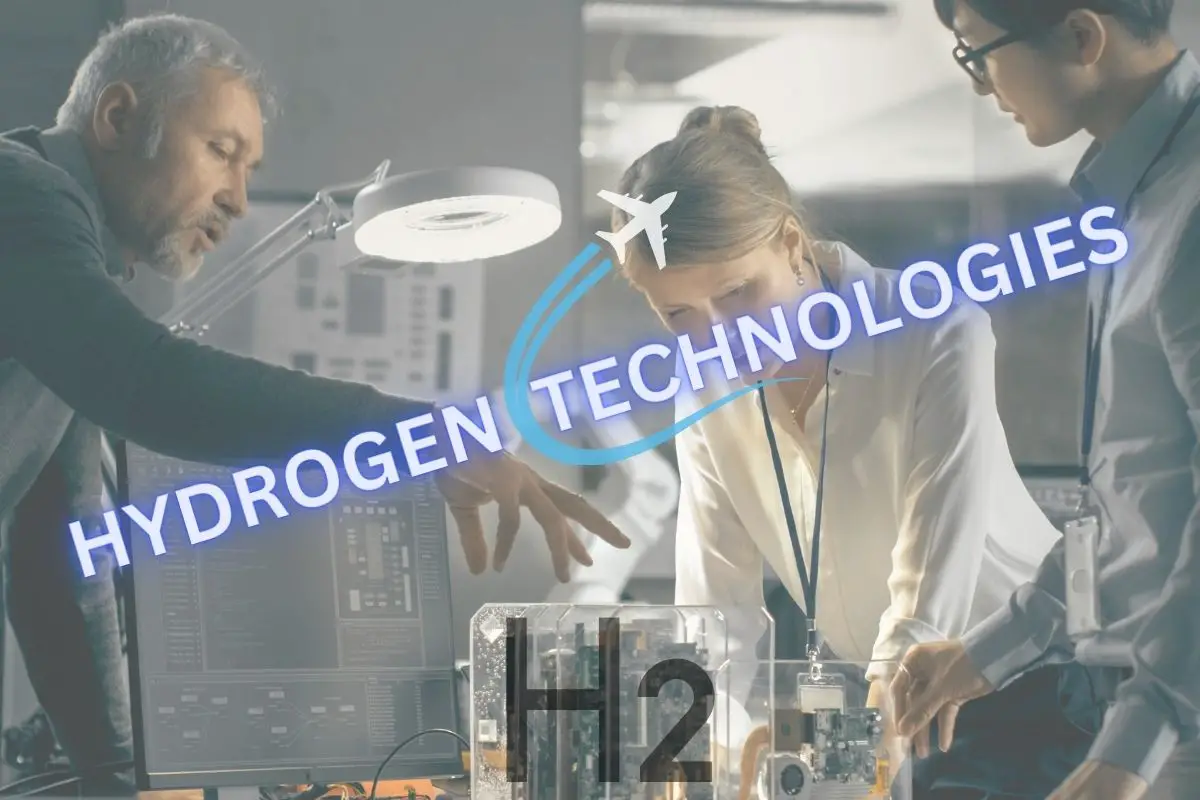
The multinational aircraft manufacturer is giving it’s ZEROe project more H2 support.
Airbus has opened a new ZEROe Development Center (ZEDC) in Stade, Germany for the purpose of hastening the progress of hydrogen tech, more specifically to develop composite hydrogen-system technologies for storing and distributing cryogenic liquid H2.Developing cost-competitive lightweight H2 systems.
Airbus is no stranger to developing composite technologies – both in materials and manufacturing processes. Though it has long been a pioneer in Germany in this field, the focus for the Stade ZEDC is to develop cost-competitive lightweight hydrogen systems (such as a cryogenic hydrogen tank) in composites. “Establishing a composite related ZEDC in Germany strengthens our Research & Technology footprint in the country and ensures the involvement, from the start, of leading experts to support our decarbonisation ambition,” said Sabine Klauke, Airbus Chief Technical Officer, in a company news release. According to Airbus, the hydrogen tech development will “cover the product and industrial capabilities”. This includes:- Elementary parts
- Assembly
- Manufacturing-related testing of the liquid H2 composite tanks
Investing in hydrogen tech for its upcoming H2 aircraft.
Airbus’ ZEROe program, which was launched in 2020, is a project dedicated to developing a new series of hydrogen-electric powered aircraft, set to be operational by 2035. However, for these H2 planes to become a reality in as little over ten years time, the company must solve various technological challenges, including the handling and storing of liquid hydrogen on an aircraft. [caption id="attachment_62421" align="aligncenter" width="1200"] Credit: Photo by depositphotos.com[/caption]
Airbus intends to do this by investing in hydrogen tech. The opening of the new ZEDC facility is part of the company’s commitment to do exactly that.
Additionally the ZEDC in Stade has received support from public fundings and will be connected to the planned Innovation and Technology Center Hydrogen (ITZ) located in Northern Germany.
Credit: Photo by depositphotos.com[/caption]
Airbus intends to do this by investing in hydrogen tech. The opening of the new ZEDC facility is part of the company’s commitment to do exactly that.
Additionally the ZEDC in Stade has received support from public fundings and will be connected to the planned Innovation and Technology Center Hydrogen (ITZ) located in Northern Germany.
A complement to other Airbus activities.
The ZEROe Development Center in Stade is part of a network of development centers for technologies. The aim is to realize the potential of hydrogen tech and contribute to decarbonizing the highly polluting aviation industry. ZDEC will complement other Airbus activities from the company’s other sites in Germany, France, Spain and the UK, all with the goal of getting an H2-powered aircraft flying by 2035. “…the ZEDC will benefit from the wider composite research and in a development ecosystem such as the Airbus subsidiary Composite Technology Center (CTC GmbH), the CFK NORD in Stade as well as from further synergies from space and maritime activities,” added Klauke. Ready to test your knowledge on the most abundant element in the universe? Take our fun and engaging Hydrogen Quiz now! [forminator_quiz id="58712"]How was this article?
Thanks for the feedback!