Hydrogen news
Toyota files patents to make hydrogen sharing network possible for H2 car drivers
This would mean motorists could refuel with H2 at home instead of relying on stations. The lack of a hydrogen sharing network or refueling infrastructure is among the largest barriers standing in the way of the widespread adoption of H2-powered cars. After all, drivers need to have somewhere to refuel if they will be able to practically use a car. Toyota has long been among the automakers that have been most enthusiastic about H2 for powering vehicles. It has already released two generations of its Mirai H2 car over the last few years. That said, while it has taken some important steps back w…
This would mean motorists could refuel with H2 at home instead of relying on stations.
The lack of a hydrogen sharing network or refueling infrastructure is among the largest barriers standing in the way of the widespread adoption of H2-powered cars.After all, drivers need to have somewhere to refuel if they will be able to practically use a car.
Toyota has long been among the automakers that have been most enthusiastic about H2 for powering vehicles. It has already released two generations of its Mirai H2 car over the last few years. That said, while it has taken some important steps back when it comes to H2 in the passenger car sphere, it has upped its focus on commercial vehicles. Among the challenges that fuel cell passenger vehicles haven’t overcome is the lack of refueling infrastructure. That said, Toyota has filed a patent for a hydrogen sharing network, which would potentially make it possible for drivers to be able to refuel at home. Being able to recharge vehicles at home is among the major advantages of battery electric cars. By using the technology described in the filing made on December 5, 2023, Toyota could potentially make this a reality for H2. It’s important to recognize that at this stage, the concept is officially only a patent filing and Toyota may choose never to use it. That said, it does present some fascinating potential ideas for the future of H2 refueling.Toyota described its potential hydrogen sharing network plans within the patent filing recently made.
Among the key points described in the hydrogen sharing network patent filing include that it would make it possible for the safe creation of H2 at home, in addition to its safe storage. H2-powered Toyota vehicles would be authenticated digitally using a smartphone and a network app. The H2 created could be green if solar power were used to power its production. If this type of system were to be created, it could be a game changer for H2-powered cars, as it would make them as convenient as many battery electric vehicles.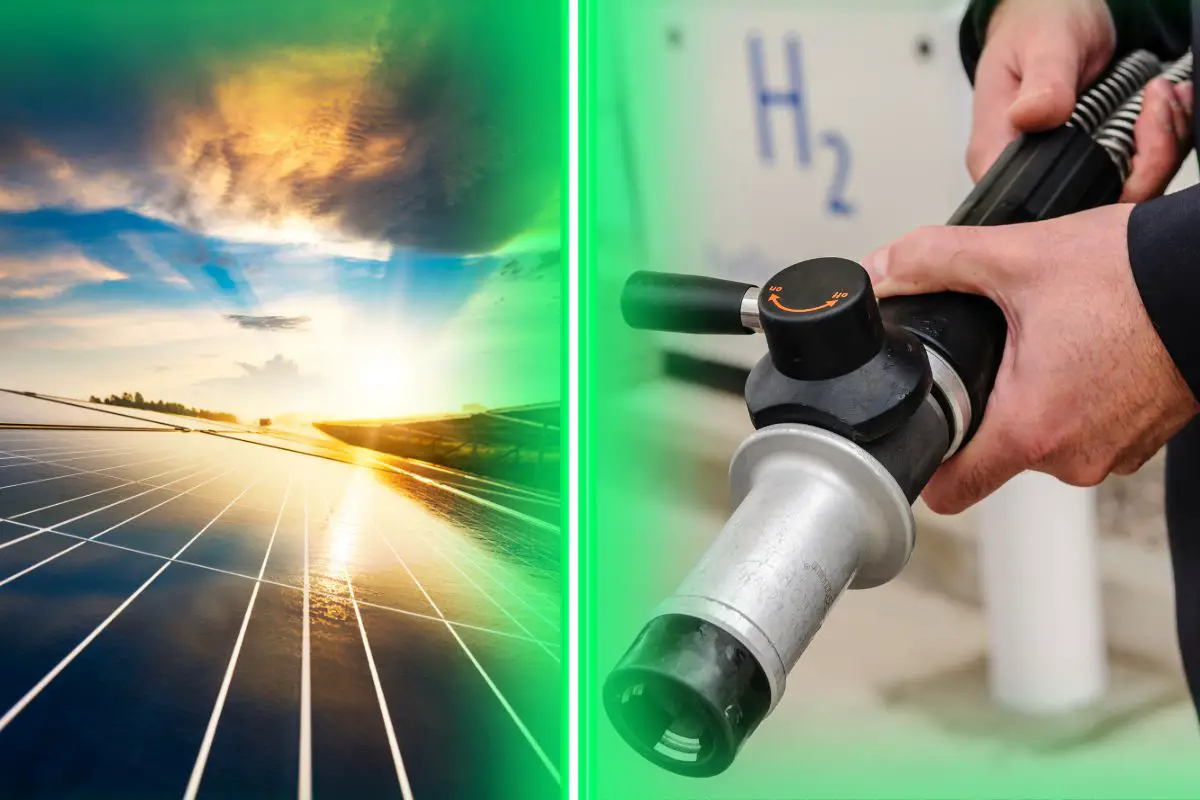
The first in-house fuel cell module
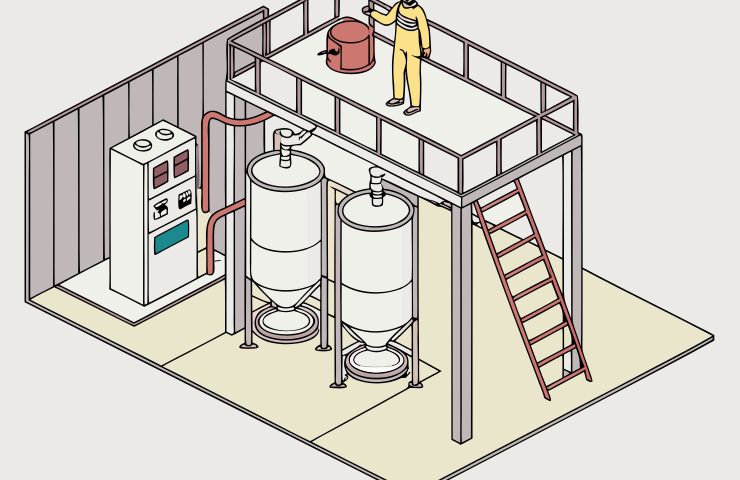
The Toyota patent filing describes a hydrogen sharing network that would involve the first ever fuel cell apparatus designed for the home. It would work inside and include a fuel tank unit for H2 storage. According to the automaker, it would be a “generations and distribution unit” for the production of H2 and for its transfer to a tank from which it could be used to power a vehicle. The description of the hydrogen sharing network is technical but includes diagrams to better illustrate the appearance of such a system. This system would also make it possible to use electricity generated through a solar panel. That said, it would also have options for using either water or natural gas for H2 production. It would be powered by electricity either from a solar panel or another source.
Hydrogen sharing network app
The filing for the patent also points to being able to use a smartphone for the hydrogen sharing network. This would allow the driver to use their phone and an app to digitally authenticate the vehicle. From there, the H2 would be provided to the vehicle. By using the system in this way, it would make sure the Toyota was properly matched to the home hydrogen sharing network. There has yet to be any confirmation that Toyota plans to start using it or that it will begin development at any time in the near future. That said, there is considerable potential for this type of a system if it could feasibly be brought to reality. Ready to test your knowledge on the most abundant element in the universe? Take our fun and engaging Hydrogen Quiz now! [forminator_quiz id="58712"]How was this article?
Thanks for the feedback!