Hydrogen Production Methods Adapted for Fine Synthesis: LED-Driven Atomic Hydrogen Generation at UCL
UCL chemists develop an LED-driven, room-temperature route to atomic hydrogen for metal-free hydrogenation and hydrodehalogenation without H₂ gas.
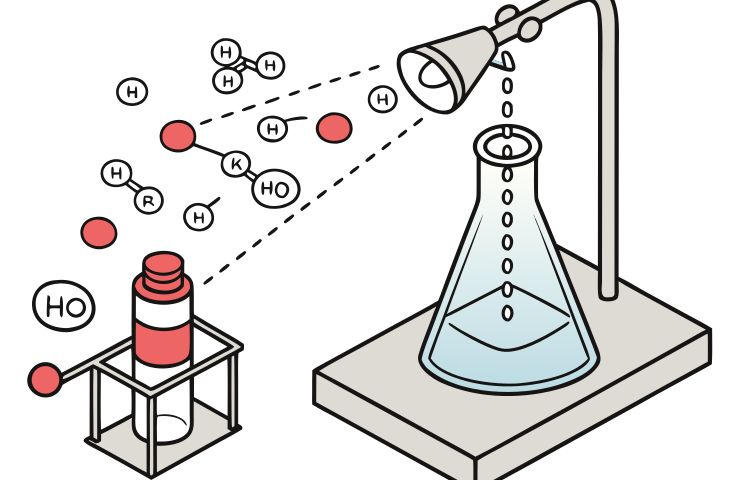
A team led by Dr. Roopender Kumar at University College London has made some exciting strides in hydrogen production. They’ve come up with a light-driven way to generate atomic hydrogen (H•) in a liquid phase at room temperature. This process uses hydrazine and thiophenol with a standard near-UV LED, which means it doesn’t rely on high-pressure hydrogen gas or expensive metal catalysts. This is a fresh take on hydrogen production methods, especially for organic synthesis.
- Simple setup: Just commercial hydrazine, thiophenol, and a lab LED—no toxic mercury or extreme heat involved.
- Key transformations: They can hydrogenate alkenes and strip halogens from alkyl or aryl halides.
- Proposed mechanism: Protonated hydrazine picks up an electron through a thiol photocatalyst, creating an intermediate Rydberg radical that breaks apart to release H•.
- Operational benefits: The reactions happen at room temperature with standard equipment and less metal contamination.
Why atomic hydrogen matters
Atomic hydrogen (H•) is a super reactive little player in chemistry that's great for selective radical hydrogenation but has historically been left to specialized labs. Older methods used tungsten filaments heated over 1,700 °C or mercury-vapor lamps giving off high-energy UV—often in gas form and under pretty hazardous conditions. While these methods worked for basic studies, they weren’t practical for everyday organic synthesis due to safety, cost, and infrastructure hurdles. What makes the UCL method stand out is its use of photocatalysis, making H• manageable under safe conditions. This ultimately broadens the scope of hydrogen energy news beyond just bulk fuel production to encompass fine-chemical applications, which is pretty exciting.
Technical deep dive
The magic starts with the protonation of hydrazine, creating a hydrazinium species. A thiophenol derivative steps in as a simple thiol photocatalyst. When exposed to near-UV from a regular LED, it absorbs photons and transfers an electron to the hydrazinium ion. This generates a highly excited intermediate, likely a Rydberg radical, which is characterized by a loosely bound electron in a higher orbital. There's solid support from spectroscopic evidence—like electron paramagnetic resonance and trapping studies—showing this radical's formation, which then quickly fragments and releases atomic hydrogen into the solution.
Once set free, these hydrogen radicals get to work: they add across carbon–carbon double bonds, hydrogenating alkenes or snatching halogens from C–X bonds in hydrodehalogenation reactions. Deuterium labeling confirms that hydrazine is indeed the source of the hydrogen, throwing out any concerns about unwanted contributions from water or thiols. The best part? All this happens in liquid, at room temperature, without needing a metal catalyst or pressurized H₂. That's a huge shift from the conventional hydrogenation methods!
Implications for pharmaceutical and specialty chemicals
In the pharmaceutical world, manufacturers often depend on pricey palladium or rhodium catalysts and compressed hydrogen gas for their hydrogenation steps. This comes with a hefty price tag for catalysts, safety infrastructure, and the hassle of removing metals downstream. The UCL method, however, brings in budget-friendly hydrazine and thiophenol, cutting out those precious metals and the complex high-pressure setups. This could streamline processes, lessen the risk of metal contamination in active pharmaceutical ingredients, and help alleviate concerns around hydrogen storage. Of course, handling hydrazine comes with its own safety precautions since it’s classified as a hazardous substance, but using closed-system photochemical reactors and established industrial protocols can help manage those risks.
Positioning within green hydrogen production research
While green hydrogen production usually focuses on large-scale H₂ via water splitting or electrolysis, UCL’s breakthrough generates hydrogen at the atomic level, which is a fantastic complement for organic synthesis. If integrated into the existing hydrogen infrastructure, this approach could lead to dual-use reactors capable of switching between H₂ evolution for energy storage and H• generation for chemical transformations. Although it's not a one-stop solution for addressing the big fuel demand, this new tech adds to the toolbox of hydrogen production methods, supporting goals around sustainable energy and industrial decarbonization, particularly in specialty sectors.
Safety, environmental and regulatory considerations
Of course, when it comes to hydrazine, we have to be cautious. It's a regulated chemical with possible carcinogenic effects, so strict containment, ventilation, and waste treatment are key. Plus, exposure to near-UV LEDs calls for shielding and proper reactor design to keep operators safe. From an environmental angle, avoiding precious metal catalysts lines up nicely with green chemistry principles, reducing ecological impacts from mining and metal disposal. Life-cycle assessments will be crucial for comparing overall environmental benefits against the production and disposal of hydrazine. Also, the regulations around hydrazine usage could shape how quickly this technology gets adopted in various regions.
Market uptake and next steps
To really take off, the industry will need to demonstrate that this method is scalable, can be integrated into existing reactor designs, and offers solid process economics. Tooling suppliers may even create photochemical units tailored for hydrazine–thiophenol systems. Next on the agenda are pilot-scale trials in contract research organizations and pharmaceutical process R&D, testing how well this method works with different substrates, throughput, and cost benefits. Meanwhile, further mechanistic studies are in the cards, as Kumar’s team recognizes that the Rydberg radical is still a proposed structure waiting for definitive proof.
By making atomic hydrogen more accessible in standard labs, UCL’s LED-driven approach turns what was once a niche physics tool into a commonplace synthetic reagent. This development highlights the changing landscape of hydrogen infrastructure—not just as a fuel source but as a versatile reactant that’s ready to play a bigger role in modern organic chemistry.