Hydrogen production meets clean ammonia in Nebraska: Topsoe’s SynCOR debuts at blue fertilizer plant
Topsoe will supply SynCOR Ammonia technology to a 500 STPD blue ammonia fertilizer plant in Gothenburg, Nebraska, boosting local clean ammonia output and cutting transport costs.
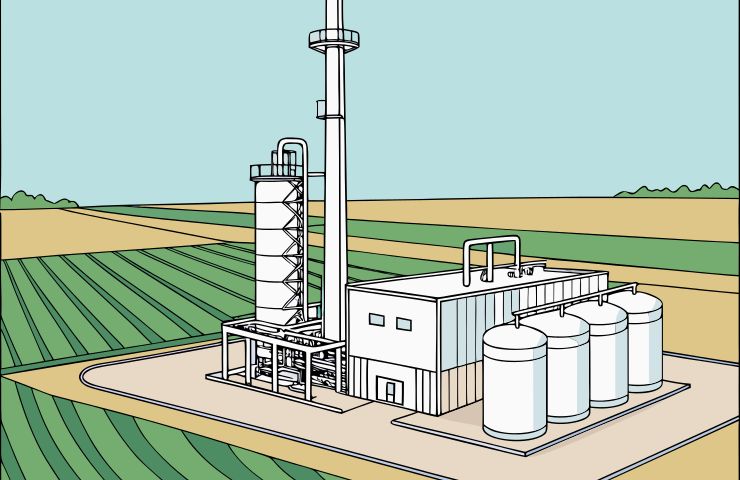
When Topsoe dropped the news this month about snagging a technology contract with Nebraska's very own J Westling & Co, it really got folks talking in the hydrogen production circle. For the first time ever, SynCOR™ Ammonia—Topsoe’s cool autothermal reforming setup—is stepping into a mid-scale fertilizer plant right here in the US heartland. This facility in Gothenburg, Nebraska, is gearing up to produce about 500 short tons of blue ammonia every day for local farmers. That means no more sky-high freight costs and a big reduction in carbon emissions, thanks to integrated carbon capture.
What's at stake
This new plant not only addresses logistical headaches but also environmental headaches. Farmers in America's Great Plains have been stuck importing ammonia from the Gulf Coast, which means they've been shelling out around $100 to $120 per tonne just for transport. By shifting production to Dawson County, this project cuts those costs and streamlines the entire supply chain. Plus, by making ammonia from natural gas without releasing CO2 into the air, it significantly reduces one of agriculture’s biggest sources of emissions. With blue ammonia—where hydrogen from autothermal reforming is combined with efficient carbon capture—CO2 emissions could be slashed by up to 90% compared to traditional grey ammonia production methods.
How SynCOR works
At the core of this Gothenburg operation is the SynCOR™ Ammonia. This autothermal reforming (ATR) method marries oxygen-driven partial oxidation and steam reforming all within one reactor. Picture this: natural gas and steam enter the same vessel alongside oxygen sourced from an air separation unit. This triggers both heat-producing and cooling reactions, resulting in a hot mix of hydrogen, carbon monoxide, and some CO2. The next step involves shift reactors that convert CO into even more hydrogen and CO2. Finally, a carbon capture unit works its magic, stripping around 99% of the CO2 out of the mix, compressing it, and sending it off to be stored underground.
Beyond the reformer
Once the CO2 is safely tucked away, the hydrogen-rich purge moves on to a Haber–Bosch loop. Here, purified hydrogen and nitrogen blend together using either an iron-based or a Topsoe-specific catalyst. The process operates under pretty high-pressure conditions, around 200 to 300 bar, and at temperatures reaching up to 400 to 500°C, all finely tuned to produce plenty of ammonia. The ammonia then appears as a liquefied gas, ready to be stored or shipped out right away. In this blue ammonia setup, the captured CO2 is compressed over 100 bar and piped to nearby saline aquifers or depleted gas fields. By keeping hydrogen production, synthesis, and carbon management all under one roof, the plant makes operations smoother and more aligned with regulations.
Strategic payoffs
Building a blue fertilizer hub in Nebraska is about more than just cutting emissions. It's about boosting local resilience, too. By setting up ammonia production close to corn and cattle country, J Westling & Co is looking to stabilize fertilizer pricing and protect Midwestern farmers from the unpredictable swings of the global marketplace. Just a small dip in logistics costs can mean big savings at the farm level. Plus, this plant is set to create high-tech jobs and maybe even develop CO2 transport infrastructure, expanding economic opportunities beyond the traditional farming landscape. It shows that industrial decarbonization can spill over into everyday agricultural inputs.
Playing in a bigger field
Topsoe’s Nebraska venture isn't happening in isolation; it’s part of a larger trend alongside major blue ammonia and hydrogen projects popping up along the Gulf Coast. Over in Texas and Louisiana, they’re building huge multi-train plants aimed at export markets, with capacities that dwarf that of the Gothenburg facility. These mega-projects focus on shipping ammonia abroad or breaking it back down into hydrogen for industrial clients. In contrast, Gothenburg’s approachable mid-scale design is tailored specifically for local usage. It shows just how adaptable Topsoe’s hydrogen infrastructure expertise can be—the same SynCOR ATR platform that fuels billion-dollar terminals can also be optimized for regional farm supply chains.
Risks and uncertainties
Of course, no project comes without its share of risks. The environmental benefits of blue ammonia heavily depend on effective carbon capture techniques and minimal methane leaks during production. Long-term CO2 storage needs reliable sites and thorough monitoring commitments, which are still in the works for this Nebraska location. While the natural gas infrastructure is well established in the region, sudden shifts in feedstock prices could have a knock-on effect on fertilizer costs. There’s hope that policy incentives for low-carbon hydrogen and carbon capture and storage (CCS) could provide some relief, but any changes in tax credits or permitting guidelines could shake up the whole financial landscape.
Topsoe and JWC: A closer look
Topsoe, rooted in Denmark, boasts decades of expertise in refining catalysts and processes for hydrogen, ammonia, and low-carbon fuels. Their SynCOR platform has a wealth of experience with over 165 years of safe operation, bolstered by collaborations with big names like Air Products and Copenhagen Infrastructure Partners. Meanwhile, J Westling & Co is a dedicated player in Nebraska, focusing on the development of blue ammonia fertilizer close to farms. Though they’re on the smaller side, their local focus and partnership with Topsoe might just set a new standard for localized fertilizer production.
What’s next
Though they haven’t announced exact timelines for commissioning and ramp-up, this plant is expected to start operations within the next couple of years. Everyone's going to be keenly watching how it performs in terms of carbon capture and the reliability of feedstock logistics. If everything unfolds as planned, we could see Tailored Blue Fertilizer Hubs sprouting up in other farm states too, knitting local hydrogen infrastructure into agricultural markets. The data gathered from this operation should help build a more solid picture of life-cycle emissions and contribute to discussions about the economics of blue versus green hydrogen in agriculture. Folks in the industry will be curious about how this local venture measures up against traditional grey facilities and potential future green ammonia projects fueled by electrolysis.
In a sector that often seems obsessed with massive energy exports, Gothenburg’s blue ammonia plant serves as a reminder that hydrogen production for ammonia isn’t just an international game—it’s a local one, too. By harnessing the complementary powers of SynCOR ATR and carbon capture, Topsoe and J Westling & Co are planting the seeds for a cleaner, more resilient agricultural supply chain. If this initiative succeeds, it could totally transform how we produce, transport, and utilize ammonia in farming.