Geothermal-Integrated SOEC Plant in Iceland Achieves 500 kg Green Hydrogen Milestone
Syntholene Energy’s geothermally integrated SOEC demo plant in Husavik, Iceland has produced its first 500 kg of green hydrogen at 99.9% purity, showcasing a new model for efficient, low-carbon hydrogen production.
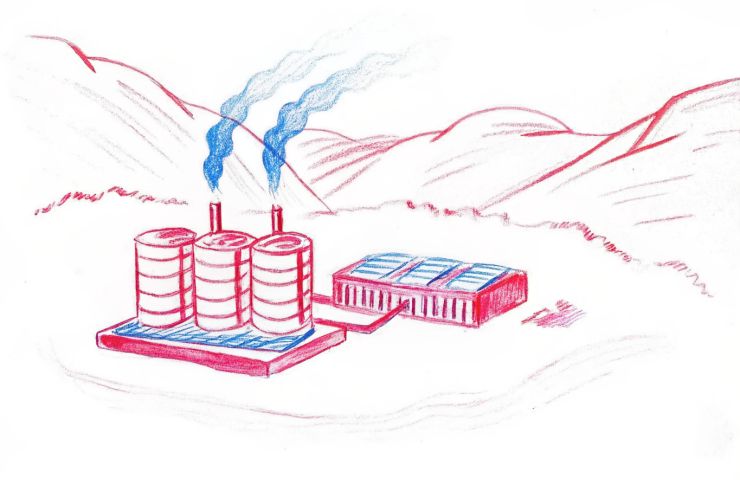
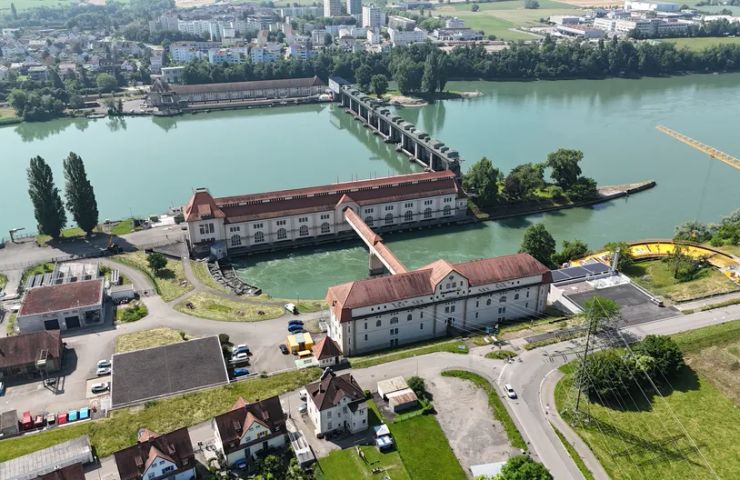
How about a game-changer in the hydrogen scene? Syntholene Energy Corp. has just launched what it proudly claims to be the world's first geothermally integrated high-temperature electrolysis plant up in northern Iceland. And get this—the numbers are impressive! At the historic Husavik Power Station, they’re combining geothermal heat with renewable electricity to power solid oxide electrolyzer cells (SOEC), generating a whopping 500 kg of green hydrogen that’s over 99.9% pure. This isn’t just some backyard experiment; we’re talking real, full-scale proof of concept for next-gen hydrogen production.
Earlier this spring, the team nailed down a site lease and cleared all the necessary permits. By mid-year, they had the plant up and running—six months ahead of schedule and under budget. Soon after, the first streams of hydrogen began to flow, signaling a successful shift from testing to integrated operations. If you thought hydrogen production was still on the horizon, think again—it's here!
Why the Hydrogen Puzzle Demanded a New Approach
Let’s face it; hydrogen fuel cell projects often juggle three major headaches: those pesky high electricity demands, the hit-or-miss nature of renewables, and carbon-heavy feedstocks. Traditional low-temperature electrolyzers—like alkaline or PEM—can use more than 50 kilowatt-hours (kWh) just to get one single kilogram of hydrogen. Add in all the storage and transport logistics, and you've got a real puzzle on your hands. What we desperately need is clean, affordable hydrogen that doesn’t rely solely on solar or wind energy.
That’s where high-temperature electrolysis steps in. SOEC units run at a sizzling 700–850 °C and utilize a ceramic electrolyte to break down steam instead of liquid water. By cranking up the temperature, thermal energy takes on part of the workload, slashing that electrical usage per kilogram. Combine that with consistent geothermal heat, and you end up with a lean, reliable system that minimizes carbon emissions and cuts down on energy costs.
The Magic of SOEC and Geothermal Pairing
At Husavik, they tap into deep wells that feed steam and hot water straight to the power station. Turbines generate renewable electricity, and a slice of that is directed to power the SOEC stacks. Here’s the simple breakdown of how it all works:
They’re even running an independent validation campaign to confirm these stellar results before the year wraps up.
Benefits & Impact: More Than Just Numbers
This project packs a punch in more ways than one, transforming hydrogen energy news into real-world advantages:
If the SOEC systems prove effective under real geothermal conditions, this could open up the possibility for modular hydrogen hubs right where they're needed—think remote microgrids, island data centers, and off-grid industrial setups.
A Real-World Demo in a Coastal Town
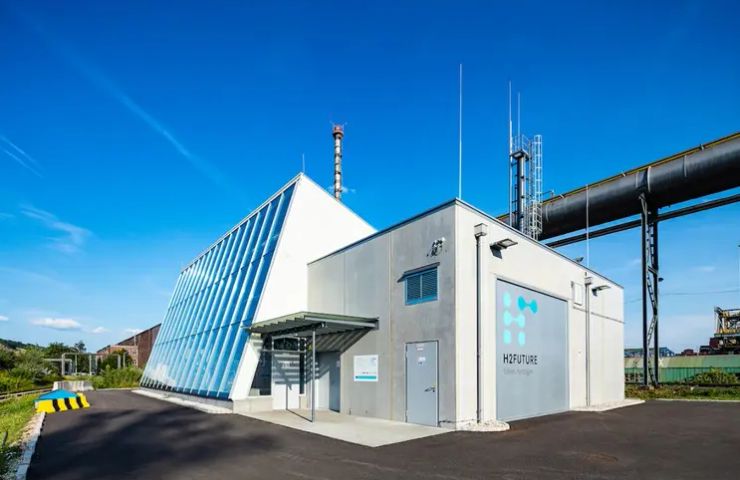
Husavik, a charming little town with about 2,400 residents, is now showcasing an advanced hydrogen infrastructure pilot. Skid-mounted SOEC modules stand proudly next to steaming vents and bustling turbines. Engineers keep a close eye on gas purity in real-time, adjusting flow rates to maintain that all-important 99.9% purity. Every kilogram produced is meticulously recorded, pressurized, and routed either to onsite storage or a small-scale pilot setup designed to test synthetic aviation fuel pathways.
Strategic Angle: Partnerships and Policy Align
While they haven’t disclosed the exact utility partner yet, this demo leverages Iceland’s well-established geothermal framework. Thanks to that familiarity with regulations, they’ve breezed through permitting and knocked down infrastructure costs. Investors and policymakers are definitely paying attention. With Europe tightening synthetic aviation fuel mandates and Iceland eyeing its green-export goals, the timing couldn’t be better. Early performance data will also lay the groundwork for offtake agreements with airlines and industrial buyers, helping shape future financing and policy incentives.
Challenges & Next Steps
Of course, every innovation faces its own set of hurdles. The SOEC stacks need to showcase long-term durability when running continuously on geothermal power. They’ll have to tackle seasonal fluctuations in geothermal output, plus test how the system control dynamics play out. Downstream, finding low-carbon CO₂ for fuel synthesis and navigating the certification maze for eSAF are on the horizon.
The Syntholene team will be rigorously testing control systems, stack lifespans, and integration strategies over the coming months. Regulators and certification bodies will scrutinize their data before any green eSAF can earn aviation labels. If everything comes together—technical, regulatory, and market conditions—the Husavik model could inspire similar projects around the globe, fundamentally changing the story of hydrogen storage and transport.
Looking Ahead: From Demo to Disruption
By the end of the year, they’ll roll out a comprehensive data package featuring insights on continuous operations, maintenance cycles, and cost models. If all goes well, geothermal-integrated SOEC could shift the conversation around green hydrogen versus blue hydrogen. There are even plans brewing for scale-up in other geothermal hotspots—from Indonesia to the U.S. Pacific Northwest—down the line.
Let’s be real: green hydrogen has been a long time coming. This demo proves it’s here, powered by the Earth’s inner heat. For anyone keeping tabs on clean hydrogen news, this is a major milestone that could finally break the hydrogen logjam. So keep an eye on the steam rising—it's going to be a thrilling ride.