EU Backs 100 MW Albatros Green Hydrogen Plant
Hy2gen Nordic’s 100 MW Albatros plant in Denmark won EU Hydrogen Bank backing, securing a €0.97/kg premium and €139.8 M support for green hydrogen.
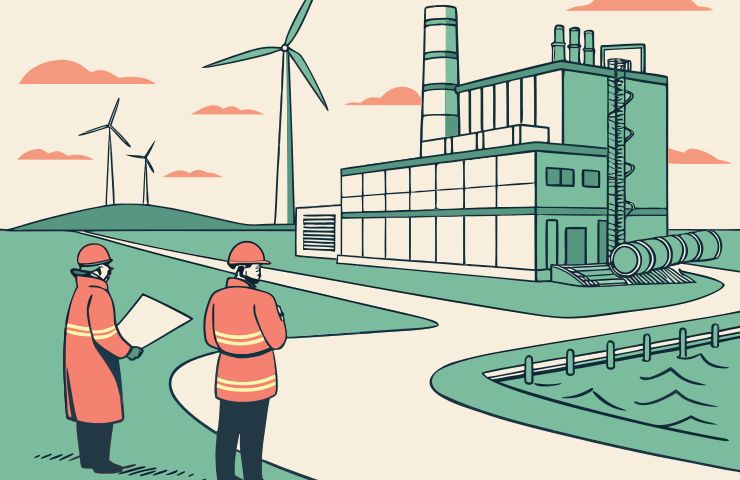
Hy2gen Nordic AS has just hit a significant milestone that could really shake things up for green hydrogen across Europe. Their big project, the Albatros—which is a planned 100 MW electrolyser plant in Kassø—is now set to earn a cool premium from the European Hydrogen Bank. This move is not just about cutting costs; it's all about making sure we have a steady supply of renewable hydrogen flowing into industrial markets.
Teaming Wind with Water
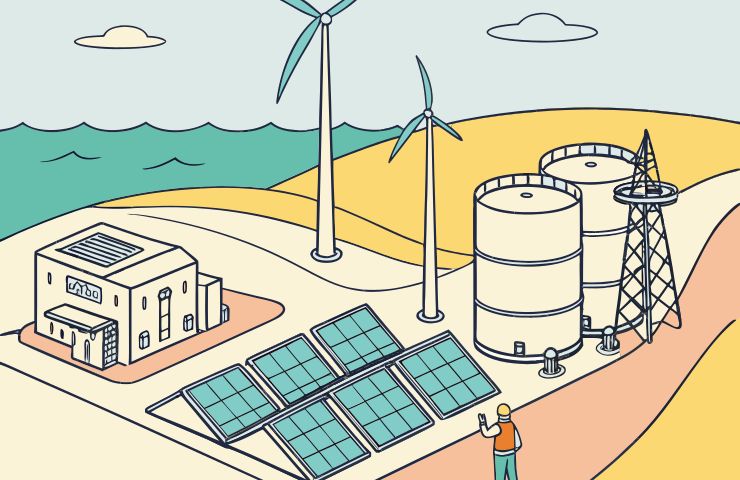
Let’s paint the picture: Denmark's southern coast is already killing it with wind energy, but there’s been a tough nut to crack when it comes to turning those strong gusts into clean fuel on a large scale—high production costs have always been a roadblock. Traditional methods of making hydrogen often rely on fossil gas or smaller-scale, unproven tech. But with the Albatros site in Kassø, they’re going straight to the source: the high-capacity wind farms nearby. They’re using renewable energy to split water into pure hydrogen and oxygen. Plus, the leftover oxygen can benefit local industries, while the hydrogen is ready to fuel those tough sectors like chemicals, steel, and shipping.
Sounds ambitious, right? It really is, but here's the exciting part: the European Hydrogen Bank has stepped in with a production-based premium of €0.97 per kilogram for the first decade. This means that Hy2gen Nordic can finally offer a competitive offtake price compared to fossil-based options—making large-scale green hydrogen production a real possibility!
Conquering the Cost Challenge
Let’s be real for a second: without a solid plan to cover upfront investments and operating costs, most electrolyser projects sadly just stay on the drawing board. A 100 MW facility isn’t exactly cheap to build—it comes with a hefty price tag for equipment, grid connections, and site preparations. And don’t forget the stress of fluctuating electricity prices. Here’s the exciting twist: by landing around €139.8 million in EU funding, Albatros has locked in a stable revenue stream. This kind of hydrogen project financing changes the game. It lowers risks for private investors and sends a clear message to industrial offtakers that green hydrogen can actually be priced, budgeted, and delivered reliably.
And here’s the kicker: this model isn’t just going to stay in Kassø. If this approach with production-based premiums really pans out, we could see even quicker rollouts in other renewable energy havens, paving the way for a genuine market for green hydrogen and attracting more capital.
Decoding the Technology
So, how does all this magic happen? At the heart of the Albatros plant is electrolysis—an established method of making hydrogen that only uses renewable energy. Here’s the breakdown:
Running at a full 100 MW scale, Albatros is way beyond just small pilot projects—it’s ready for action. Plus, with compliance to RFNBO certification under EU rules, the hydrogen produced meets strict sustainability criteria. That green seal of approval is crucial for industries looking to hit regulatory sub-quotas under the Renewable Energy Directive (RED III).
Bridging Borders with Infrastructure
Picture this: a pipeline connecting the Danish coast straight to Germany’s industrial hubs. That’s the vision behind the planned Danish-German Hydrogen Backbone. This dedicated hydrogen infrastructure—whether it’s repurposed from existing gas lines or new builds—is designed to transport high-pressure gas efficiently, keeping costs low while maximizing volume. By linking Albatros to this pipeline, Hy2gen Nordic secures direct access to German refineries, chemical plants, and steel mills. No more expensive trucking or shipping—just plug into the backbone and shoot those green molecules straight where they’re needed most.
This backbone also fits nicely into the broader European Hydrogen Backbone initiative, which aims to connect national networks into a seamless transcontinental grid. This interconnected approach boosts energy independence, reduces reliance on fuel imports, and strengthens resilience against supply hiccups.
Fueling Regional Growth
But hold on, there's more! Albatros isn’t just about clean hydrogen; it’s also going to fuel local development. The Aabenraa Municipality is set to gain up to 500 jobs during the construction phase and around 30–40 permanent positions once it’s up and running. Local engineering firms, maintenance crews, and logistics providers are about to get a boost too. Those new earnings will flow through the community, supporting small businesses and pulling in tax revenues.
On top of that, Hy2gen estimates that the plant will help dodge around 130,000 tonnes of CO₂ emissions every year—close to a million tonnes over ten years. That’s a significant climate win that helps Denmark and Germany hit their decarbonization goals, all while demonstrating how green hydrogen can replace fossil feeds in sectors where direct electrification just isn’t feasible.
Policy, Partnerships and Pipeline Ambitions
The Albatros breakthrough is a result of years of policy evolution thanks to the European Green Deal and the REPowerEU agenda. EU decision-makers have recognized green hydrogen as a crucial player in ensuring energy security and transitioning industries. Through the Innovation Fund, which taps into emissions trading revenue, the European Hydrogen Bank has run competitive auctions. Albatros snagged one of the lowest premiums in its round—proof positive that smart policy design can really drive efficiency.
Behind the scenes, Hy2gen AG’s global vision played a role here too. The German parent company has landed hundreds of millions in private funding and built a project pipeline that stretches across 3.4 GW in the planning phase and 15 GW in development. Investors are looking at Albatros as a validation point that large RFNBO projects can attract both public and private capital, creating a powerful cycle of financing, construction, and offtake agreements.
Rethinking Hydrogen’s Role
So here we are at a turning point. Some critics have warned that hydrogen subsidies might lock us into costly and hungry infrastructures, while advocates argue that green molecules are essential for tough industries to meet climate goals. Albatros hits right in the middle, offering real-world insights on cost, performance, and market acceptance. If everything goes according to plan for a late-decade ramp-up, this project could really influence future auction designs and investment strategies across Europe.
What’s coming next? Look out for a wave of power-to-X projects inspired by Albatros that focus on improving electrolyser efficiency while also exploring downstream products like green ammonia or e-fuels. Each success pushes us closer to breaking free from fossil fuel dependency and shows that hydrogen can be both clean and economically sensible.
Seize the Moment
This isn’t just another pilot project; it’s a bold statement that large-scale green hydrogen is here to stay. Now’s the time for companies, investors, and policymakers to align their decarbonization dreams with projects that deliver certified RFNBO at scale. The future of hydrogen infrastructure is unfolding in Kassø—are you ready to jump in, or will you sit on the sidelines?