Green Hydrogen Production Accelerated by 50 MW Electrolyzer at Hunter Valley Hydrogen Hub
Plug Power won a 50 MW electrolyzer contract for Orica’s Hunter Valley Hydrogen Hub, marking Australia’s largest green hydrogen project to reach FID, backed by AU$432 million in Hydrogen Headstart credits.
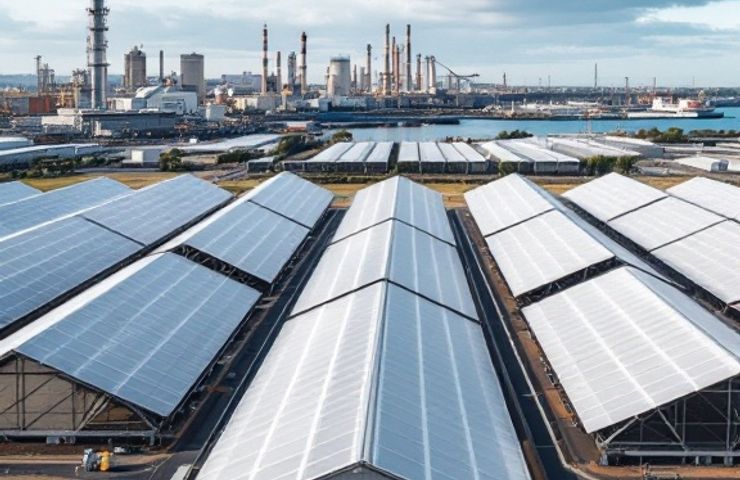
Australia’s industrial heart is getting ready for a major green energy overhaul. Recently, Plug Power bagged a 50 MW order for its innovative GenEco PEM electrolyzers to equip the Hunter Valley Hydrogen Hub on Kooragang Island in Newcastle, New South Wales. This big move marks a significant step for Australia's largest renewable hydrogen initiative, shifting from mere policies to real action, all while being the first project to snag federal Hydrogen Headstart support and hit that all-important Final Investment Decision (FID).
Powering Industrial Decarbonization
Located in an area that’s been reliant on coal for ages, the Hunter Valley Hydrogen Hub is set to inject about 4,700 tonnes of renewable hydrogen into the local industry every year. Orica has plans to replace around 7.5% of the natural gas usage at its ammonium nitrate facility with this green alternative, significantly cutting down on emissions connected to chemical production. With existing connections to the grid and easy port access at Kooragang Island, this project is making the most of the old infrastructure to speed up the move from fossil fuels to zero-emission solutions.
Financial Backbone
Backing up this hub is a robust AU$432 million in production credits managed by the Australian Renewable Energy Agency through the Hydrogen Headstart program. This helpful subsidy is part of a broader strategy for hydrogen project financing, helping to bridge the cost gap between renewable and fossil-based hydrogen, and making the economics work for this groundbreaking deployment. The mix of private investors, state grants, and corporate commitments rounds out the financial structure, ensuring the build-out of comprehensive hydrogen infrastructure is less risky.
PEM Electrolysis at Scale
The star of the hub is the 50 MW Proton Exchange Membrane (PEM) system. This technology excels at splitting water into hydrogen and oxygen using a solid polymer electrolyte, all while producing high-purity gas under pressure and responding quickly to fluctuations in renewable energy sources. Plug Power’s GenEco units come equipped with power electronics, water purification, and safety controls to meet top-notch industrial standards. The fast response times mean the facility can keep up with wind and solar energy outputs, showcasing one of the most adaptable hydrogen production methods available today.
Regional Legacy Meets Innovation
Newcastle’s Hunter region has long been tied to coal and heavy industry, but recent policy changes and market signals are steering things in a new direction: repurposing skills, energy networks, and ports for green hydrogen. Plans are also in place for liquefaction and storage facilities, creating an integrated supply chain to drive industrial decarbonization. This all-encompassing approach—from production to storage—positions the site as a model for future hydrogen infrastructure projects.
Scaling Ambitions
The local government already set the stage for a $207.6 million initial hub, led by Origin Future Fuels, aiming to hit around 55 MW of electrolyzer capacity by 2026, with dreams of going beyond 1 GW within the next decade. The deal with Plug Power sharpens that vision: starting with 50 MW in the first phase, smoothly integrating into the broader masterplan. It’s a modular rollout that demonstrates how gradual expansions can reduce risks, ensure supply chain certainty, and adapt to changing demands.
Policy and Collaboration
This milestone shines a light on the teamwork between federal and state agencies. The NSW Government’s Hydrogen Hub Initiative provided regulatory clarity and signed off on planning approvals for a major development at Kooragang Island. Meanwhile, ARENA’s incentives and Orica’s offtake agreement helped lock in demand. It’s a great example of public-private partnerships that could reshape how heavy industries secure clean hydrogen and negotiate clean hydrogen offtake agreements in future deals.
What This Means Globally
As Europe and the Middle East race to launch their large-scale electrolyzer plants, Australia’s 50 MW Hunter Valley project is making its mark on the global hydrogen energy scene. It shows that strong policy frameworks, backed by solid offtake agreements and cutting-edge technology, can turn green hydrogen projects from mere ideas into tangible realities. The outcomes here are likely to influence investor decisions and regulatory approaches around the world.
As the construction kicks into gear, the Hunter Valley Hydrogen Hub stands as a real connection between ambitious goals and actual progress. It serves as an early model for how renewable hydrogen can transform industrial emissions, boost energy system resilience, and create new export avenues through ammonia or liquefied hydrogen. All of this reinforces hydrogen’s role in Australia's journey towards sustainable energy.