Plug Power Commissions 5 MW PEM Electrolyzer in Denmark
Plug Power and European Energy have brought a 5 MW PEM electrolyzer online in Denmark, converting renewable electricity into green hydrogen to support industry and transport.
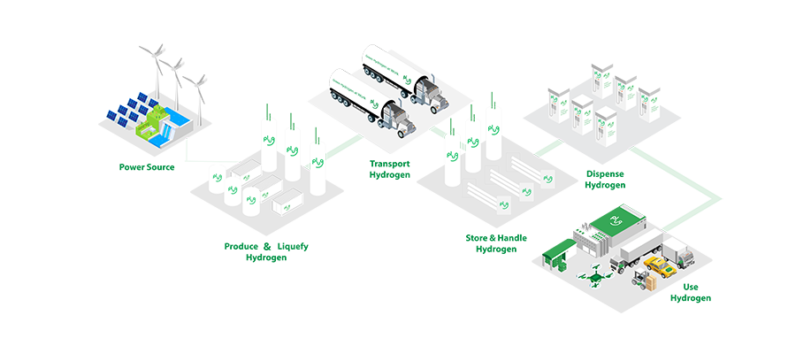
Plug Power Inc. and European Energy A/S recently announced the commissioning of a 5 MW PEM electrolyzer in Denmark, a significant step in green hydrogen production and hydrogen infrastructure. This clean hydrogen news highlights how industrial partners are converting renewable electricity into a versatile, low-carbon energy carrier.
Project Background
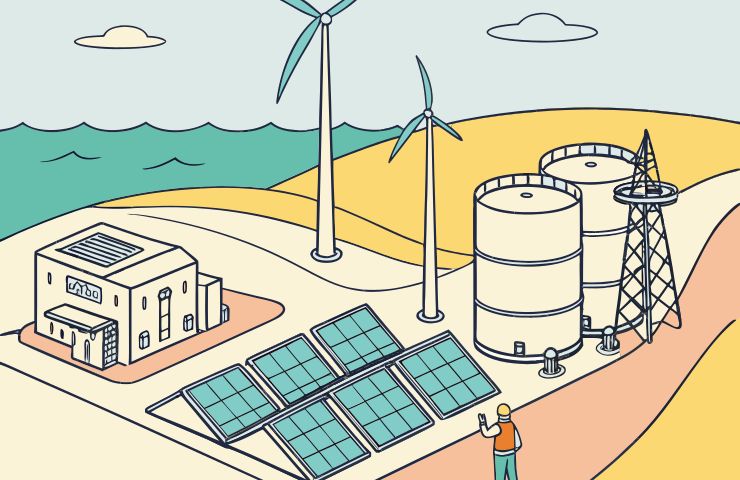
The new electrolyzer brings together Plug Power, a U.S. provider of proton exchange membrane fuel cells and electrolyzer systems, and European Energy, a Danish renewable developer. While exact site details remain under wraps, the installation leverages wind and solar assets owned or operated by European Energy to feed the electrolyzer with renewable power. By coupling generation and electrolysis on a 5 MW scale, the project illustrates a practical power-to-x application that can absorb surplus electricity and produce green hydrogen for industry or mobility.
PEM Electrolyzer Technology
A PEM electrolyzer uses a solid polymer membrane to split water into hydrogen and oxygen when driven by direct current. At the anode, water molecules release oxygen, protons and electrons. The polymer electrolyte conducts protons to the cathode while forcing electrons through an external circuit, where they recombine with protons to form high-purity hydrogen gas. This design supports dynamic operation, so the electrolyzer can ramp up or down in response to variable wind and solar output. That flexibility is central to integrating electrolysis into an intermittency-driven grid and refining overall hydrogen production methods.
Denmark’s Renewable Ecosystem
Denmark is widely recognized as a pioneer in onshore and offshore wind, and solar power now complements its maritime energy legacy. The country’s supportive policy environment and grid design encourage power-to-x initiatives, converting excess renewable output into storable fuels. Hosting a 5 MW PEM electrolyzer underscores Denmark’s role as a test bed for clean hydrogen news and emerging hydrogen projects. By tapping into a grid that already accommodates high shares of renewables, the project forms part of a broader strategy to achieve climate neutrality and develop export-oriented hydrogen supply chains.
Benefits of Integrated Hydrogen Production
Linking renewable generation directly to electrolysis offers several advantages. First, it helps balance the grid by absorbing excess power when wind or solar exceed demand. Second, it creates a valuable product—green hydrogen—that can decarbonize hard-to-abate sectors such as heavy industry, long-haul transport and chemicals. Third, on-site electrolysis reduces transmission losses and eases pressure on the distribution network, reinforcing local hydrogen infrastructure. Finally, operational experience at this scale yields data on efficiency, ramp rates and equipment lifetime, informing larger future installations.
Industrial and Mobility Applications
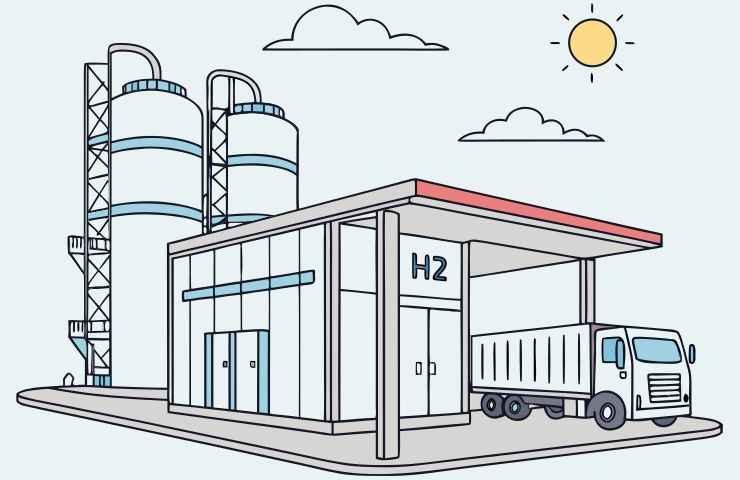
Although specific offtake agreements for the Danish plant have not been publicly disclosed, typical end uses include industrial feedstocks, hydrogen refueling stations for trucks or buses, and conversion into e-fuels such as ammonia or methanol. Green hydrogen can also support stationary fuel cell backup for data centers or telecom towers, offering a low-emission alternative to diesel generators. As a result, projects like this 5 MW installation bridge renewable energy and real-world energy service needs, showcasing how hydrogen production ties into broader decarbonization roadmaps.
Economic and Policy Implications
Commissioning a demonstration-scale electrolyzer can unlock private investment by proving technical concepts and generating bankable performance data. For Plug Power, it strengthens their position in Europe and adds to a growing portfolio of electrolyzer references. European Energy benefits by diversifying beyond electricity sales into high-value hydrogen markets. Policymakers and regulators can draw on operating experience to refine incentives, grid tariffs and certification schemes for green hydrogen. Success here may encourage further support for multi-hundred-megawatt power-to-x projects under the EU Hydrogen Strategy and Danish green hydrogen initiatives.
Future Outlook
While a 5 MW capacity is modest compared with future gigawatt-scale ambitions, it provides a critical learning platform. Insights on dynamic operation, integration with balancing markets and maintenance routines will inform next-generation designs. Over time, repeated deployments at increasing scale may drive down costs through standardization and volume, bolster hydrogen storage strategies, and stimulate new industrial clusters focused on hydrogen and related logistics. If hydrogen prices reach competitive levels, demand from industry, transport and power sectors could accelerate, making green hydrogen a mainstream energy carrier rather than a niche demonstration.
In sum, the Danish project exemplifies how technology providers and renewable developers can collaborate to bring green hydrogen production into commercial reality. It highlights the interplay of hydrogen infrastructure, policy frameworks and market signals needed to transition from pilot phases to full-scale deployment. As Europe races toward net-zero targets, such integrated installations will be vital stepping stones on the road to a decarbonized energy system.