Hydrogen Infrastructure Expands in Béziers with 13 Solaris Fuel Cell Buses and Green Hydrogen Station
Béziers Méditerranée has rolled out 13 Solaris hydrogen buses and a 600 kg/day Qair station, forming a Corridor H2 node and showcasing integrated green hydrogen infrastructure.
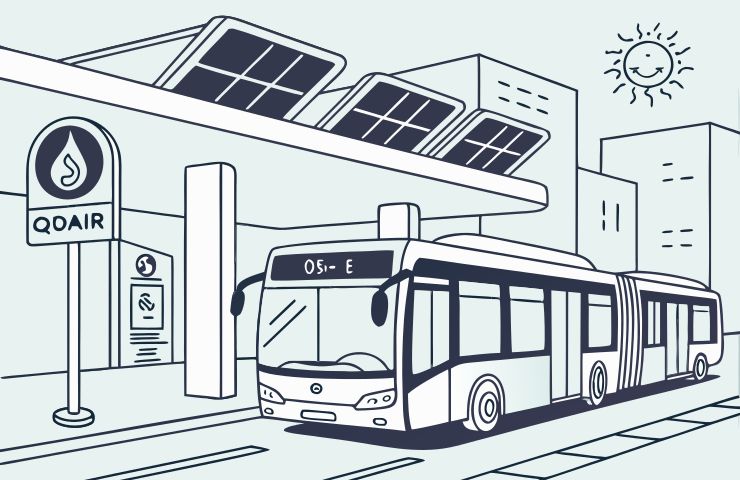
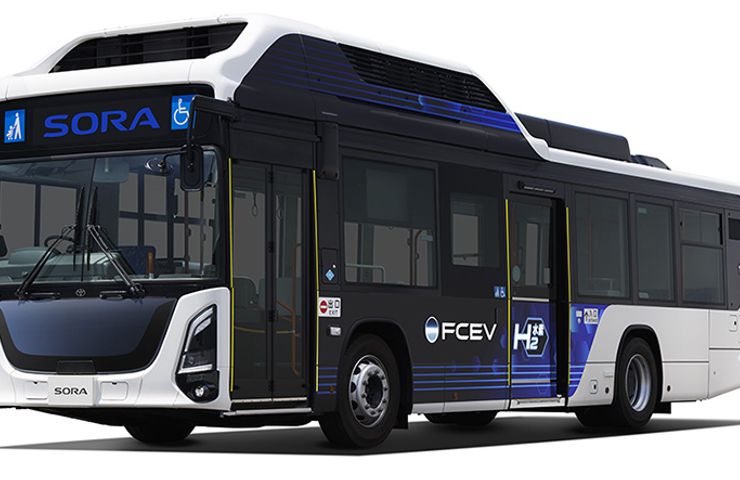
The Communauté d’Agglomération Béziers Méditerranée is making an exciting new hydrogen mobility project serving 17 municipalities and around 125,000 residents, they’ve teamed up with Qair and RATP Dev Béziers Méditerranée to kick off a green hydrogen station that'll pump out 600 kg of hydrogen daily. Plus, they’ve rolled out 13 shiny new Solaris Urbino hydrogen fuel cell buses for their BeeMob network, taking an important step towards zero-emission transport and linking local services with the cross-border Corridor H2 initiative.
Building a Regional Hydrogen Hub
Béziers Méditerranée is strategically located at the junction of the A9 and A75 motorways, which means they can take full advantage of the Mediterranean sun and their closeness to Port-La-Nouvelle. This positions them perfectly to weave renewable hydrogen into their transportation landscape. The station is a piece of a bigger puzzle backed by the Occitanie Region, the European Union, and the European Investment Bank. This initiative matches up nicely with regional goals for decarbonization as well as France’s national hydrogen ambitions, creating a comprehensive refuelling network for buses, freight, and intercity coaches.
Speaking of hydrogen production, Hyd’Occ is pulling its weight too! This 20 MW electrolyser located in Port-La-Nouvelle produces a whopping 2,700 tonnes of green hydrogen every year, cutting down about 27,000 tonnes of CO₂ emissions in the process. With tube-trailer logistics and pipeline connections in place, this setup ensures Béziers and its neighboring stations, like Narbonne, have a steady supply of hydrogen.
In August 2025, RATP Dev took charge of the BeeMob concession, handling a fleet of 70 vehicles across 17 communes until 2028. Their experience from a previous trial in Paris, where they tested a Solaris hydrogen bus, laid the groundwork for this exciting project in Béziers.
Thanks to the support from ADEME, which covered about 75 percent of the extra costs for the buses and the infrastructure through its territorial hydrogen ecosystems scheme, this project is becoming a reality. An impressive financing package of €55 million was pulled together with Crédit Agricole and Bpifrance, showcasing how public backing can help get early-stage hydrogen projects off the ground.
A Quick Technical Overview
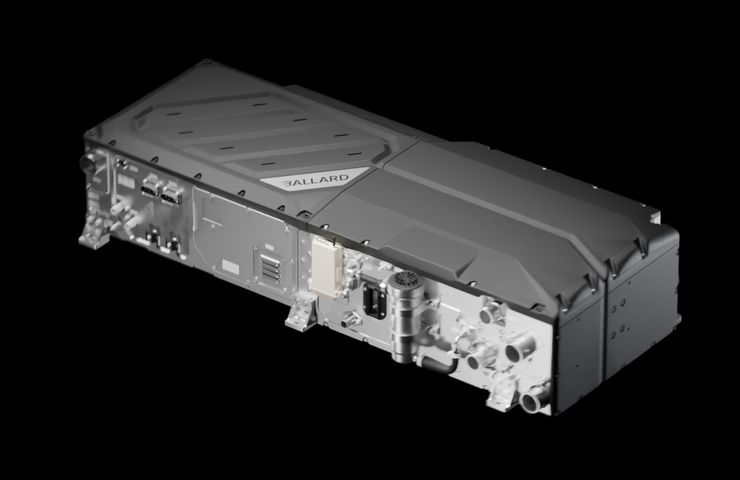
Now, let’s talk about the buses! The fleet includes 13 Solaris Urbino 12 hydrogen buses. Each one is 12 meters long and is equipped with a 60–70 kW Ballard FCmove-HD fuel cell, along with roof-mounted type-4 tanks that store 37.5 kg of hydrogen at 350 bar. They’ve got an effective range of about 350 km and can refuel in just 10–15 minutes—talk about replicating diesel fleet operations without any tailpipe emissions! Plus, they make use of high-powered lithium-ion batteries to handle energy demands and enable regenerative braking.
The station in Béziers is a real powerhouse, capable of dispensing up to 600 kg of green hydrogen every day. It’s designed with high-pressure storage, cooling, and compression systems, as well as automated safety zones and standardized dispensers that work for buses, coaches, and trucks. Oh, and did I mention the real-time diagnostics and remote monitoring? Keeping things running smoothly is key!
On the supply chain side, Qair is bringing in tube-trailer logistics and pipeline connections to integrate wind and solar energy into the electrolyser's operations. They guarantee the quality and consistency of hydrogen through long-term offtake agreements and dedicated funding arrangements facilitated by Crédit Agricole and Bpifrance.
What You Need to Know
The Market Outlook
This project really highlights the power of collaboration among a public authority, a green energy developer, and a transport operator. It sends a strong message to investors that integrated hydrogen ecosystems can actually thrive outside big cities. While battery electric buses currently have a total cost of ownership that’s 20–40 percent lower, hydrogen’s ability to meet range and refuelling needs on busy routes can’t be overlooked. For Solaris Bus & Coach, this order solidifies their foothold in the hydrogen market, while Qair is reaping the benefits of its production-to-refuelling model.
This sizeable funding package of around €55 million cleverly mixes equity, debt, and subsidies, proving to be a solid financial blueprint. By relying on long-term offtake agreements and creating a robust economy around hydrogen corridors, they’re bringing stability to pricing and securing good returns on investment. This model could really catch on in other areas looking to pull heavy-duty transport away from fossil fuels.
And let’s not forget, the Béziers station isn’t just for buses. It’s also open to trucks and coaches, meaning that nearby industries and logistics companies can tap into low-carbon hydrogen. Local fleets, ranging from agricultural vehicles to port operations, can take advantage of the same infrastructure. This creates new revenue opportunities for station operators and strengthens the local hydrogen economy.
Keeping an Eye on the Competition
When you compare Béziers to smaller hydrogen bus fleets in places like Pau and Belfort, it really stands out. Béziers combines on-demand station capacity with corridor connectivity in a way that’s impressive. In Bologna, for instance, Tper has started hydrogen operations at a depot station, but Béziers' hub is accessible from the motorway, allowing for multi-modal flows that include freight and long-distance coaches, broadening what they can do.
What Experts Are Saying
Recent reports indicate that hydrogen buses carry about 20–40 percent higher total costs compared to battery electric models, mainly because of the higher expenses associated with vehicles and fuel. However, as the costs for electrolyzers and fuel cell stacks continue to drop and as they ramp up green hydrogen production, experts predict that parity could be within reach by 2030 for specific high-mileage routes. When uptime and fast refueling are critical, hydrogen remains a formidable option.
The Path Forward
As RATP Dev Béziers Méditerranée looks to keep tabs on fleet performance and station use through 2028, they’ll focus on key metrics like availability, fuel consumption (which is roughly 14 kg/100 km for the articulated models), and maintenance expenses. If all goes well, there’s potential to scale up electrolyser capacity from 20 to 40 MW at Hyd’Occ, doubling the output and paving the way for more refuelling hubs. Improved corridor coverage could further boost decarbonization efforts in regional freight and industrial activities.
On top of that, community engagement and skills training programs are in the pipeline to foster local expertise in hydrogen safety, station management, and bus maintenance. This workforce development aspect is crucial for the project’s longevity and will support job creation in the region. Similar hydrogen corridors in southern Europe and around the Mediterranean will be keenly watching Béziers to see how they can replicate zero-emission technology in mid-sized urban centers and logistics hubs.
Let’s Talk About Qair
Qair stands as an independent renewable energy champion, diving into wind, solar, storage, and green hydrogen projects. In France, they’re not just about producing energy; they’re also focused on the entire lifecycle, from development to distribution and refuelling infrastructure. Hyd’Occ happens to be the largest green hydrogen plant in France, and Qair has lined up over €55 million to fund regional corridor stations and their associated mobility fleets, sealing off agreements that exceed 1,500 tonnes of hydrogen per year.