Hydrogen Infrastructure: Birmingham Airport Joins ZeroAvia’s HyPRIME for Mobile Liquid Hydrogen Refuelling
Birmingham Airport is partnering with ZeroAvia’s DfT-funded HyPRIME project to test a mobile liquid hydrogen refuelling rig and hydrogen ground support systems at live airports, aiming to validate safety, turnaround times and economics for zero-emission regional aviation.
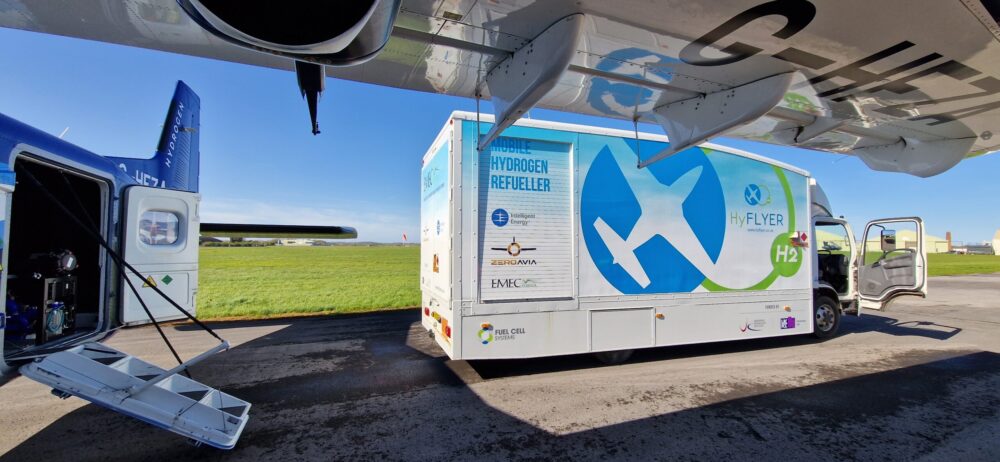
In the world of zero-emission technology, things are really heating up, especially in hydrogen aviation. Just recently, Birmingham Airport teamed up with ZeroAvia on a cool initiative called HyPRIME. This UK government-backed project is all about creating a fully mobile liquid hydrogen refueling system for hydrogen-electric planes and on-site power needs. It’s exciting to see airports taking a hands-on role in the journey toward decarbonization rather than just sitting back and watching.
A coalition driving hydrogen infrastructure at airports
The HyPRIME project is powered by an awesome team led by ZeroAvia, with some help from the UK Department for Transport’s Zero Emission Flight Demonstrator competition. Altogether, the project is budgeted at £3.4 million, with £2.1 million coming from government grants. Birmingham Airport is perfect for this project because it offers a real airside environment for testing out refueling, safety protocols, and turnaround workflows under actual operational conditions. Engineering whizzes from ULEMCO Ltd will whip up the mobile dispensing unit, while GeoPura will work its magic by integrating boil-off hydrogen into ground support equipment and portable power units. Plus, Bristol Airport is jumping in too, running parallel trials to help both airports learn from each other.
Liquid hydrogen takes flight
Now, let’s talk about liquid hydrogen. It might sound straightforward, but it actually comes with its own set of challenges. We’re talking about handling temperatures that need to be below -253°C and using insulated lines with careful pressure control for transfers. The goal of HyPRIME? To show that a mobile refueling rig can safely deliver LH2 at rates that fit within those tight turnaround windows—sometimes only 20 to 30 minutes for regional turboprop flights. If they can nail the integration of vacuum-jacketed hoses, safety interlocks, and real-time monitoring, it could set a standard for how airports upgrade their infrastructure.
Typically, hydrogen demos just vent the boil-off losses, but this project aims to capture that evaporated hydrogen and put it to use. GeoPura plans to reroute that boil-off to power a hydrogen fuel cell tug and a modular power generator. This way, they're not only tackling ground emissions but also showing how hydrogen can meet both flight and ground energy needs in one swoop.
Building confidence through shared evidence
Diving into early-stage infrastructure can feel a bit risky, especially in an industry as tightly regulated as aviation. That’s where HyPRIME comes in—by sharing costs and operational data, they’re reducing the financial stakes involved. They plan to document everything from safety procedures to the cost per kilogram of LH2 dispensed, energy recovery from boil-off, and turnaround times. This rich data will be invaluable for regulators and airport planners alike, helping shape standards and policies around green hydrogen aviation.
For Birmingham Airport, being part of this exciting journey aligns perfectly with their goal of achieving net zero in direct operations by 2033. Their sustainability reports highlight collaborations that speed up decarbonization across various transport modes. Hosting these live trials allows Birmingham to step up as a key player in the hydrogen flight scene, potentially drawing in airlines that need a reliable refueling option.
Beyond a single stand: replicable models for the UK
The tests at both Birmingham and Bristol airports are all about figuring out how hydrogen refueling workflows can work in different settings. They’ll be looking closely at variations in stand layouts, traffic volumes, and local supply chains to fine-tune their approach. The aim is to craft a flexible operational model so that regional airports of all sizes can jump on the hydrogen bandwagon without needing extensive redesigns. This kind of repeatability will be crucial if we want to see hydrogen aviation take off beyond those niche routes.
Partners in hydrogen logistics
ULEMCO Ltd comes with a solid background in converting road vehicles to hydrogen and crafting mobile fuel systems, ensuring the refueling vehicle meets high safety and performance standards. Meanwhile, ZeroAvia lends its expertise in hydrogen-electric propulsion, adapting refueling parameters for the next generation of fuel cell aircraft. Adding to the mix, GeoPura is using boil-off to power ground support equipment, further demonstrating that airports can cut emissions not just in the air but right on the ground too.
Origin stories: from concept to runway
Although HyPRIME feels like a fresh idea, it actually builds on groundwork laid back in 2023 when Birmingham Airport and ZeroAvia first kicked around plans for on-site renewable hydrogen production. They were looking at cool options like solar-powered electrolysis and multi-modal storage hubs. Back then, it was all about feasibility studies. Now, they’re facing the tougher test of combining hydrogen supply, safety protocols, and operational schedules in a live airport environment.
Globally, airports from Calgary to Los Angeles have been exploring hydrogen supply chains, but few are trying out mobile refueling solutions like this. While others focus on winterproofing fixed pipelines or retrofitting stands, HyPRIME offers the flexibility to experiment before making big capital commitments. This approach might inspire other airports around the world, especially those cautious about investing in potential dead ends.
Shaping policy and future investment
The UK Department for Transport’s Zero Emission Flight Demonstrator competition is just one piece of the larger puzzle for aviation decarbonization, which also spans sustainable aviation fuels and improvements in air traffic management. The results from HyPRIME will play a vital role in informing the Civil Aviation Authority’s guidelines on hydrogen handling and future regulatory frameworks. Crafting clear, practical standards is essential to unlock more private investment in hydrogen hubs and refueling infrastructure.
Economic assessments will look at whether mobile rigs can compete with traditional fixed storage tanks and pipelines. If these mobile solutions prove to be cost-effective, they could pave the way for smaller airports to enter the market sooner, potentially enabling them to retrofit dozens of regional tarmacs before we see a massive infrastructure rollout.
Looking toward zero-emission skies
While HyPRIME isn’t gearing up for the biggest passenger jets just yet, it’s laying the groundwork for regional operators aiming to roll out hydrogen-electric fleets by the end of this decade. Successfully achieving safe, timely, and efficient refueling at Birmingham and Bristol will send a strong message to aircraft makers, fuel producers, and airport operators that hydrogen aviation isn’t just a pipe dream—it’s already becoming a reality on UK runways.
As the project progresses, everyone will be keeping a close eye on data regarding turnaround speeds, hydrogen dispensing costs, ground support efficiency, and safety records. Ultimately, the success of HyPRIME could open the door to cleaner regional air travel, lower ground emissions, and a blueprint for hydrogen infrastructure that goes beyond UK borders. For airports looking to embrace hydrogen, this live demonstration might just be the game-changer they’ve been waiting for.