Hydrogen news
First hydrogen fuel station in Israel opens begins operation
The new location is the first in the country and is part of a broader effort toward decarbonization. Israel has now opened its first hydrogen fuel station, making it possible for H2-powered zero-emission vehicles to refuel in the same way that gas and diesel-powered vehicles head to the pump. Transport is among the most polluting sectors and has become a decarbonization priority. As one of the most polluting sectors, decarbonizing transport has become a high priority for Israel in its efforts to reduce its carbon footprint. This makes the opening of its first hydrogen fuel station an importan…
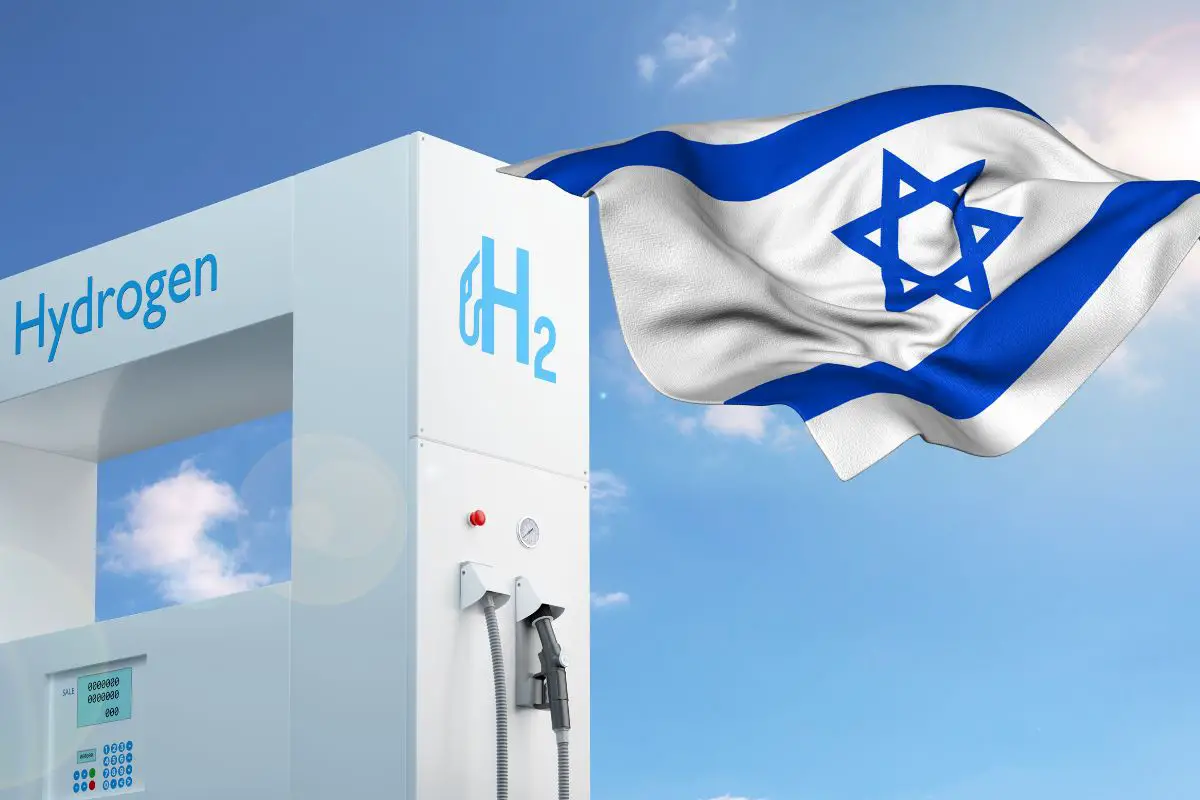
The new location is the first in the country and is part of a broader effort toward decarbonization.
Israel has now opened its first hydrogen fuel station, making it possible for H2-powered zero-emission vehicles to refuel in the same way that gas and diesel-powered vehicles head to the pump.Transport is among the most polluting sectors and has become a decarbonization priority.
As one of the most polluting sectors, decarbonizing transport has become a high priority for Israel in its efforts to reduce its carbon footprint. This makes the opening of its first hydrogen fuel station an important first step toward establishing a new infrastructure supporting zero-emission vehicles. The new location is operating near Haifa Bay. This facility allows H2-powered vehicle drivers to head up to a pump and refuel with H2 in a very similar way to how they would refill their tanks with gas or diesel.A number of different companies came together to launch the first hydrogen fuel station in Israel.
Sonol, Bazal and Colmobil have all come together to collaborate in this new H2 refueling project. In a joint statement, the collaborators explained that there are substantial advantages to using H2-powered vehicles when compared to standard battery electric alternatives. Among the most obvious is how quickly and easily they can be refueled. [caption id="attachment_58767" align="aligncenter" width="1200"]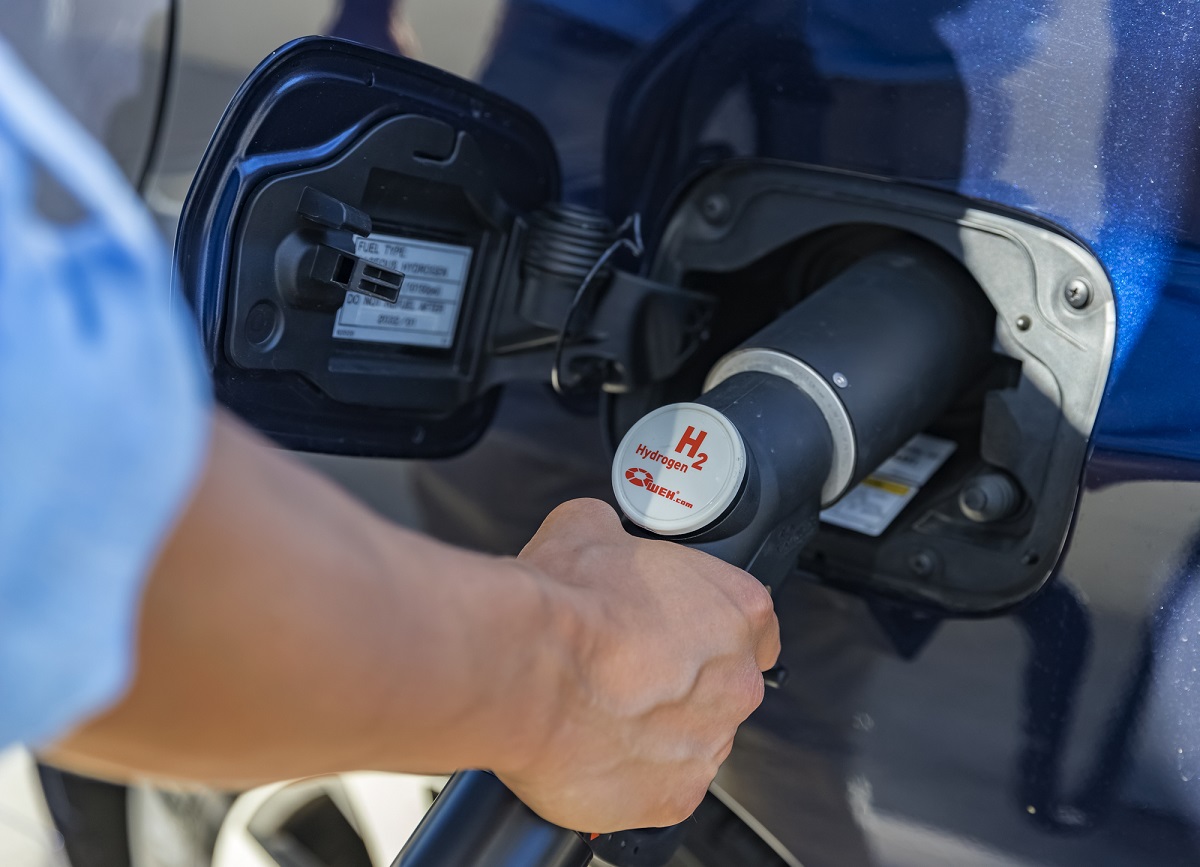 Credit: Photo by depositphotos.com[/caption]
By offering a familiar experience, the barrier to entry from that standpoint isn’t big. Drivers in the country would be able to drive their vehicles just as they used to with fossil fuel-powered cars, and with a similar range. When they need to refuel, they can head to a pump and fill up, needing about the same amount of time that they’re accustomed to.
Credit: Photo by depositphotos.com[/caption]
By offering a familiar experience, the barrier to entry from that standpoint isn’t big. Drivers in the country would be able to drive their vehicles just as they used to with fossil fuel-powered cars, and with a similar range. When they need to refuel, they can head to a pump and fill up, needing about the same amount of time that they’re accustomed to.
More stations to come
According to Sonol, this first hydrogen fuel station will be followed by many others. It intends to install several throughout Israel. That said, it did underscore that each of the stations will need an investment of over £1 million (over USD $1.25 million). Clearly, this represents a substantial investment into the infrastructure that will be necessary if H2-powered vehicles are to become practical and appealing to use in the Middle Eastern country. Ready to test your knowledge on the most abundant element in the universe? Take our fun and engaging Hydrogen Quiz now! [forminator_quiz id="58712"]How was this article?
Thanks for the feedback!