Hydrogen news
Hydrogen fuel cells get an efficiency boost with nanoparticle membrane coating
The coating was developed by Celadyne, a startup based in Chicago Celadyne, a startup company from Chicago, has developed a nanoparticle membrane coating to be applied to the existing membranes of electrolyzers and hydrogen fuel cells in order to improve their efficiency. The material can also contribute to enhancing durability According to the company’s CEO and founder Gary Ong, applying this coating can enhance H2 production efficiency with electrolyzers by between 15 percent and 20 percent. That said, it also has the potential to make hydrogen fuel cells more efficient. According to a rec…

The coating was developed by Celadyne, a startup based in Chicago
Celadyne, a startup company from Chicago, has developed a nanoparticle membrane coating to be applied to the existing membranes of electrolyzers and hydrogen fuel cells in order to improve their efficiency.The material can also contribute to enhancing durability
According to the company’s CEO and founder Gary Ong, applying this coating can enhance H2 production efficiency with electrolyzers by between 15 percent and 20 percent. That said, it also has the potential to make hydrogen fuel cells more efficient. According to a recent TechCrunch report, Celadyne recently raised a seed round of $4.5 million, led by Dynamo Ventures and Maniv, as well as EPS ventures. The money will be spent on producing more of the nanoparticle membrane coating to make it possible to conduct further testing for proof of efficiency and durability benefits.The inspiration for the new coating for membranes in hydrogen fuel cells
When Ong was putting together the early stages of his business plans, he caught wind of challenges from some H2 experts who were in favor of building demand before working on supply, and other experts were in favor of building supply before developing demand. It’s a classic chicken-or-egg debate.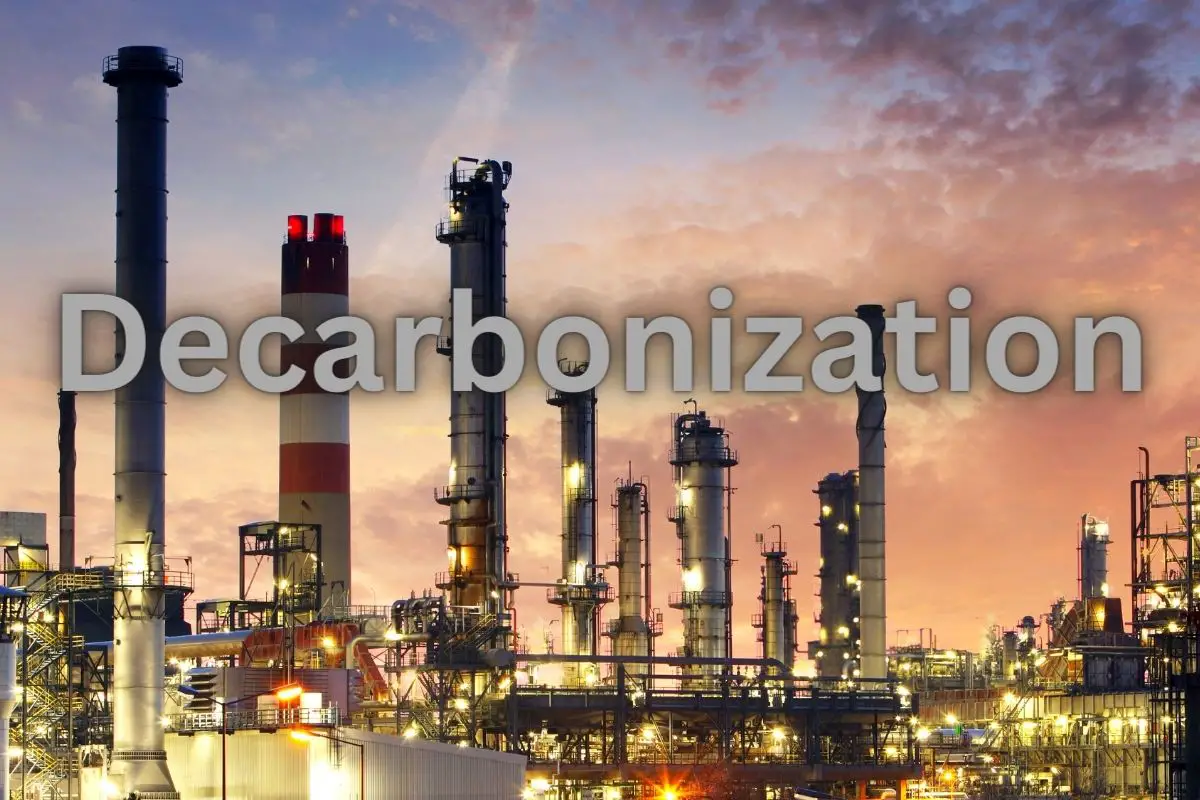 “The truth of the matter is that it’s actually both,” said Ong. “We think that hydrogen needs to happen for industrial decarbonization, and we’re really worried that everyone else is tackling one side of the problem, not the other side.”
Proton-exchange membrane
In both electrolyzers and in hydrogen fuel cells, there’s a chance that H2 can cross the barrier of the proton-exchange membrane (PEM). If that occurs, fuel cell durability is reduced, and it can cause a dangerous situation in electrolyzers. As the membrane is required to be permeable to H2 in order to function properly, the protons cannot be completely blocked. Instead, researchers are focused on reducing the crossover rate. Typically, this means boosting the membrane’s thickness, except that this reduces efficiency, and durability challenges aren’t overcome in hydrogen fuel cells, leading to issues of increased cost.Thinner membranes
Celadyne’s new coating makes it possible to achieve the desired result but with thinner membranes both in electrolyzers and hydrogen fuel cells. This is accomplished by coating the membranes with a crystalline metal oxide such as titanium oxide. Ready to test your knowledge on the most abundant element in the universe? Take our fun and engaging Hydrogen Quiz now! [forminator_quiz id="58712"]How was this article?
Thanks for the feedback!