Stadler Deploys Trains on Narrow-Gauge Lines in Southern Italy
Stadler Rail AG is delivering 27 hydrogen fuel cell trains to ARST, FCE and FdC for narrow-gauge lines in southern Italy, integrating solar-powered hydrogen production with a modular Power Pack system.
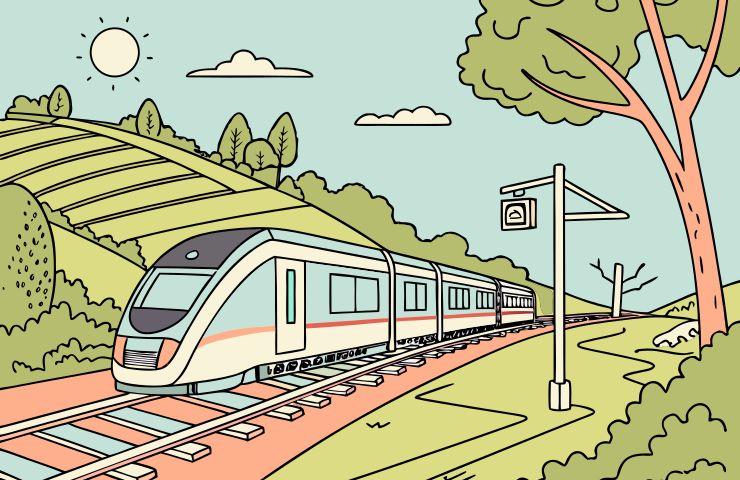
Stadler Rail AG just dropped some exciting news: they've rolled out the first hydrogen fuel cell train specifically made for narrow-gauge lines, and they've teamed up with Sardinia’s regional operator, ARST, to make it happen. They've got a total of ten trains on order, all set to hit the tracks on Sardinia’s non-electrified routes starting in 2028. Meanwhile, Ferrovia Circumetnea in Sicily has ordered two units, and Ferrovie della Calabria has gone for fifteen, all part of a big push to green up the rural and mountainous rail networks in southern Italy.
Project Background
These narrow-gauge lines in Sardinia, Sicily, and Calabria were built ages ago to connect remote communities in tough terrains. Given the low traffic, it hasn’t made economic sense to electrify these lines completely; operators have been stuck using diesel and facing all the challenges that come with it, like soaring fuel prices and emissions regulations. So, regional transport authorities teamed up with Stadler Rail to come up with a smart hydrogen alternative that matches up with EU decarbonization goals and national funding aimed at supporting less-developed areas.
The combined orders from ARST, FCE, and FdC highlight a regional game plan to modernize rail travel, boost local renewable energy projects, and hit those Fit for 55 targets without needing hefty overhead infrastructure. By keeping the existing tracks and signaling systems, these operators can renew their fleets faster while testing out zero-emission tech in real-world settings.
Technical Highlights
Stadler’s hydrogen trains are packing some serious tech, featuring a modular “Power Pack” that combines fuel cells, batteries, tank mountings, and control systems. Check out these innovations:
Strategic Implications for Regional Energy
In Sardinia, they’re building some serious electrolysis plants alongside new solar parks, essentially creating a renewable hydrogen hub. This green hydrogen will be fed directly into depot refueling stations, cutting down on reliance on outside supply chains. Local authorities expect this initiative will generate hundreds of jobs in construction, maintenance, and logistics while enhancing grid stability through flexible operations during peak sunshine hours. Plus, the integration of hydrogen production with rail ops opens up opportunities for services like peak shaving and frequency response, boosting energy security and making the most of renewable resources.
Business and Policy Context
Stadler Rail is expanding its repertoire to support alternative propulsion options, ramping up work on battery and hydrogen projects to meet both operator demands and EU climate goals. This initiative for narrow-gauge trains is riding high on a record order backlog exceeding CHF 32 billion, with expectations for revenues surpassing CHF 5 billion and an EBIT margin of over 5% by 2026. That said, natural calamities impacting suppliers in 2025 could pose some margin risks, highlighting the need for a resilient supply chain. Shares dipped about 1.3% on the announcement day but remain up nearly 12% for the year, with a neutral RSI indicating stable investor sentiment.
Support from policies under the EU Green Deal and Italy’s hydrogen strategy is vital, offering crucial funding for collaborative projects in less-industrialized regions. These funds are earmarked for refueling station upgrades and infrastructure improvements, showing how public investment can take the sting out of pilot deployments and pave the way for expanding hydrogen infrastructure across Europe’s secondary networks. The operators are working with the Italian Rail Safety Authority to secure all the necessary approvals, aligning with their delivery timelines.
Decarbonization Outlook
Swapping out diesel units could lead to major gains in carbon reduction and air quality. With the hydrogen trains, ARST expects to slash around 2,100 tonnes of CO2 every year, plus big drops in nitrous oxides and particulate pollution affecting these rural areas. These projects sync up with the United Nations Sustainable Development Goals by fostering sustainable cities and communities. Over time, if hydrogen production costs continue to decrease, and refueling networks extend to more regional lines, the long-term benefits could be super significant. A successful rollout in southern Italy could spark more hydrogen projects in similar narrow-gauge areas, supporting better mobility access for all.
Next Steps
Getting these hydrogen trains rolling involves a phased commissioning process, with crew training happening ahead of their debut on Sardinian lines by 2028. FCE and FdC will soon follow, aligned with the completion of their local infrastructure for electrolysis and refueling. Extensive performance trials are on the agenda, as they’ll gather data on reliability, maintenance needs, and energy use. Engagement with stakeholders, including community feedback and regulatory approvals, will shape future tenders and funding requests for hydrogen rail across Italy and beyond. They expect a structured pilot evaluation period of about 12 to 18 months before considering the expansion to other narrow-gauge corridors based on performance and financial results.
These ambitious projects not only demonstrate the practical application of fuel cell technology on narrow-gauge lines but also confirm the economic sense of linking clean hydrogen production with the push toward transportation decarbonization. The insights gained from this could very well inform procurement strategies, refine safety standards, and bolster the business case for hydrogen infrastructure across Europe’s secondary rail networks.
About the Company: Stadler Rail AG hails from Switzerland, known high-quality trains, trams, and locomotives. They've expanded into battery and hydrogen propulsion recently, aiming to meet the evolving demands of decarbonization. Stadler’s hydrogen initiatives for narrow-gauge lines highlight their commitment to leading the charge in custom zero-emission rail solutions.