Genevos and Koedood Marine Partner to Power Zero-Emission Inland Vessels
French fuel cell specialist Genevos and Dutch propulsion expert Koedood Marine have partnered to deploy modular hydrogen fuel cell systems on inland vessels, tapping into local expertise to deliver zero-emission operations and expand Europe’s hydrogen infrastructure.
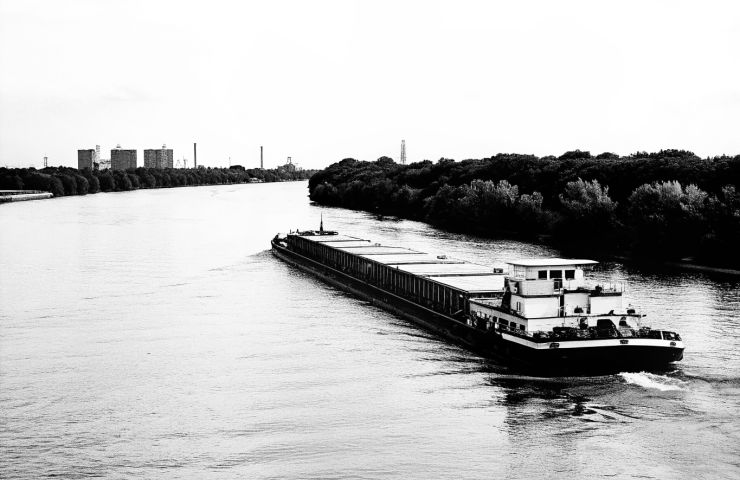
Genevos, a French company specializing in marine fuel cells, is excited to announce its collaboration with Koedood Marine Group, a Dutch powerhouse known for its expertise in propulsion and retrofitting. Together, they’re working on a project to bring modular hydrogen fuel cell systems to inland and coastal vessels. This partnership really aligns with Europe’s push to reduce maritime emissions and promote clean hydrogen news. By merging Genevos' Hydrogen Power Modules (HPMs) with Koedood’s top-notch experience in engine integration, they’re paving an easier path for shipowners and shipyards to go green. Whether it's new builds or retrofits, they’ve got a flexible toolkit ready to tackle today’s environmental challenges.
The initiative has already made some impressive strides, securing essential technical approvals. Genevos has received Approvals in Principle from industry giants like Lloyd’s Register and Bureau Veritas for its HPM range, which spans from 15 kW to 250 kW and can be stacked for greater power. Meanwhile, Koedood’s K2 hydrogen container demo packs in 32 low-temperature PEM fuel cells, proving its worth in real-world scenarios. Together, they’re not just talking the talk; they’re solving real-world problems by setting clear standards for reliability, safety, and performance in the maritime sector.
How the Technology Works: Simple Yet Effective
So, what’s the magic behind this partnership? At its core, it's all about proton exchange membrane (PEM) fuel cells. These innovative cells use hydrogen to create electricity through a super-efficient electrochemical reaction. Hydrogen is stored in pressurized tanks and combines with oxygen from the air inside the fuel cell stacks. This chemical process generates electrons that flow to an external circuit, yielding direct current and water as the only byproduct. It’s a simple yet powerful shift from noisy combustion engines to silent, efficient, emission-free power sources.
Genevos’ HPM units come in compact, marine-certified packages that house key subsystems—like air supply, cooling, power electronics, and control software—allowing for easy installation just like traditional generators. For larger vessels, these systems can be connected for output up to megawatts. Koedood’s 20-foot K2 container takes a similar approach, featuring 32 PEM stacks to handle airflow and temperature, delivering an impressive 300 kWe for propulsion or hotel loads. They’re designed not just for above-deck setups but below-deck as well, making them fit seamlessly into existing electrical systems without the need for extensive engineering work.
To tackle load fluctuations and peak demands, these systems can easily be paired with battery banks or supercapacitors. Plus, Genevos provides remote monitoring tools that give real-time insights into stack health, hydrogen consumption, and efficiency. This comprehensive approach—from hydrogen storage to power delivery—ensures operators get the most out of their systems while staying safe and compliant with marine regulations.
Practical Applications: Built in France, Aiming for Europe’s Future
These modular fuel cell units are versatile enough to meet a variety of fleet needs. For example, inland cargo barges navigating busy rivers can retrofit their vessels with HPM stacks, significantly cutting emissions without requiring major hull modifications. Coastal passenger ferries get access to clean hotel power while docked, helping improve air quality in bustling port cities. Even service vessels like waste collectors or harbor tugs can operate quietly and efficiently along canal networks. With Koedood’s deep understanding of Dutch inland waterways, they’re customizing solutions to fit local routes and schedules.
Built in France, made for Europe’s future isn’t just a catchphrase. Genevos manufactures its modules right in Lagord, near La Rochelle, using EU-funded research programs to enhance thermal management and other control systems. On the Dutch side, Koedood sources its container frames and wiring from local suppliers, contributing to a circular economy around hydrogen technology. This local-first way of doing things not only cuts down on lead times and transportation costs but also strengthens the entire hydrogen infrastructure supply chain—from electrolysers to bunkering stations.
Local Impact and Economic Benefits
The partnership is not just about cleaner waterways; it's also about creating economic opportunities. In southwestern France, Genevos has ramped up its engineering, assembly, and testing teams by over 20%, tapping into regional expertise in naval architecture and cleantech manufacturing. Meanwhile, in the Netherlands, Koedood is expanding its retrofit docks near Rotterdam, boosting local shipyard activity and supporting a variety of skilled trades—from hydraulic technicians to safety inspectors.
By fully leveraging local resources and craftsmanship, this collaboration is fostering job creation throughout the supply chain. There’s an increased demand for hydrogen storage tanks, valves, and sensors—all made or assembled right in the region. Furthermore, early project pipelines indicate that up to 30 inland vessels could adopt these modules in the next couple of years, potentially creating hundreds of jobs in operations, training, and infrastructure development.
Environmental Benefits: Zero Emissions Where It Counts
Switching to hydrogen fuel cells provides clear environmental benefits. The HPMs and K2 systems emit nothing but water vapor at the point of use, which means no CO₂, NOx, SOx, or particulates. This leads to cleaner air in port cities like Rotterdam and Amsterdam, not to mention quieter engines, which help reduce noise pollution along the waterways. Operators can easily meet EU emissions standards, achieving genuine zero-emission status without relying solely on after-treatment solutions.
When you consider that green hydrogen is produced via renewable-powered electrolysis, lifecycle emissions get a serious downgrade. Industry data shows that swapping out a 500 kW diesel generator for a fuel cell equivalent can cut over 1,500 tonnes of CO₂ annually per vessel. That kind of impact not only aligns with EU directives on hydrogen production methods but also backs broader climate goals in both transport and energy sectors.
The Road Ahead: Connecting to a Bigger Picture
This partnership is just one piece of a much larger puzzle that’s shaping Europe’s hydrogen economy. Genevos is actively expanding refuelling infrastructure in collaboration with network operators, while Koedood is working with research organizations to develop hydrogen engine prototypes. Together, they are sharing insights with industry working groups to establish unified safety standards and operating protocols.
By harnessing their combined strengths—marine fuel cell expertise, retrofit skills, and local manufacturing—the Genevos-Koedood alliance is developing scalable, practical solutions. They’re proving that modular, certified fuel cell systems can smoothly integrate with existing fleets, paving the way for clean inland shipping. As more operators get on board with these technologies, the vision of zero-emission waterways becomes increasingly achievable.
Ultimately, this partnership illustrates that by embracing innovation, collaboration, and regional talent, we can carve out a sustainable path for inland and coastal vessels—getting closer to a cleaner, quieter, and more robust maritime future.