Bosch Debuts Rigid eAxle, Fuel-Cell Systems and Hydrogen Engine Components at IAA Transportation 2026
Bosch unveils Rigid eAxle, modular fuel-cell systems and hydrogen engine components at IAA Transportation 2026, highlighting a multi-pathway decarbonization strategy for heavy-duty transport.
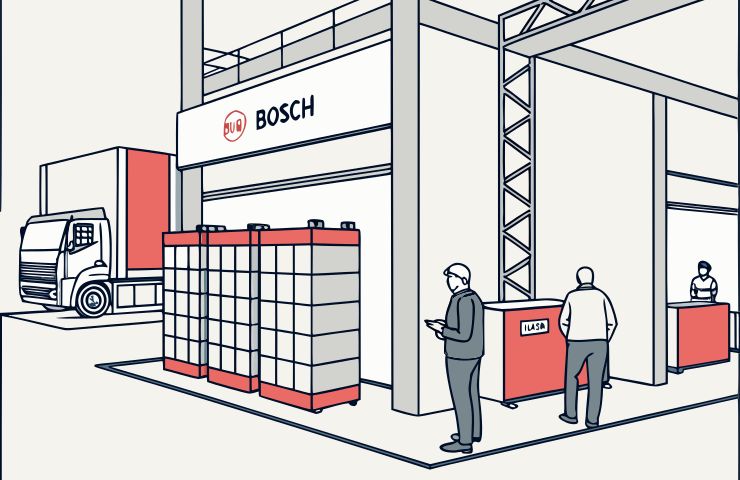
Bosch at the Messe Hannover has recently unveil a powertrain lineup for commercial vehicles that mixes things up with battery-electric, hydrogen fuel-cell, and hydrogen-combustion technologies. This showcase at IAA Transportation 2026 really highlights Bosch’s belief that there isn’t just one way to go when it comes to heavy-duty transport. Instead, they see a need for a versatile toolkit to tackle stricter emissions regulations, keep payloads intact, and ensure vehicles stay on the road. Among the big announcements was a new Rigid eAxle designed for trucks weighing between 18 to 49 tons, a modular collection of fuel cell systems from 100 to 300 kW, and some snazzy direct-injection components for hydrogen engines. Pretty exciting stuff!
Opening the Decarbonization Toolbox
As the pressure builds globally to cut down CO₂ emissions from freight transport, manufacturers are looking for alternatives to diesel. Battery-electric trucks are great for short urban trips but hit a wall when it comes to range, refueling time, and payload on long hauls. On the flip side, hydrogen fuel cells have the advantage of longer ranges and quicker refueling, but they depend heavily on a solid hydrogen infrastructure and the production of low-carbon hydrogen. Then there's hydrogen combustion, which can utilize existing engine designs while still cutting down emissions. Bosch's presentation really captures this complex situation and shows that they’re aiming to offer solutions across the board for vehicles with zero tailpipe emissions or low emissions.
Inside the Rigid eAxle: Efficiency by Design
The star of Bosch’s push for battery-electric solutions is the Rigid eAxle. This clever technology combines the electric motor and gearbox into one compact axle unit. By ditching the need for a separate central drive, they’ve managed to shorten the drivetrain, cut down on components, and save weight.
This modular axle can be easily integrated into existing chassis, making it quicker and easier for OEMs to roll out electric trucks and provide support for hydrogen vehicles that might require some extra battery power.
Modular Fuel-Cell Systems for Scale
Understanding that battery-electric options won’t fit every scenario, Bosch rolled out a series of fuel-cell power modules ranging from 100 to 300 kW. Each of these modules combines the cell stack, hydrogen and air management systems, cooling components, and power electronics into a standardized unit.
Fast refueling similar to diesel stops, an impressive range, and no local emissions make these fuel-cell systems attractive where charging delays just won’t cut it. Still, their success relies on boosting hydrogen production capabilities, especially with green hydrogen from electrolysis, as well as establishing hydrogen refueling stations along key transport routes.
Evolutionary Hydrogen-Combustion Components
To help transition from conventional diesel to fuel-cell solutions, Bosch also introduced components for hydrogen-fueled internal combustion engines (ICEs). By injecting hydrogen directly into the combustion chamber, this setup achieves better control over the fuel mixture than traditional intake systems, which reduces the risk of backfire and ramps up efficiency.
This evolutionary approach allows OEMs to capitalize on current development lines, tools, and maintenance networks, making it a smoother transition for fleets that might be hesitant about jumping onto an entirely new kind of powertrain.
Fleet Economics: TCO, Uptime, and Payload
When it comes to new powertrains, fleets mainly look at total cost of ownership (TCO), uptime, and how flexible the operation can be.
However, for these initiatives to really take off, we’ll need more infrastructure in place—think electrolysers for green hydrogen production, distribution networks for different hydrogen storage methods, and a mix of public and private funding to establish those crucial refueling stations.
Supplier and OEM Positioning
By showcasing a comprehensive range of electrification and hydrogen solutions, Bosch is positioning itself as an essential partner for OEMs and logistics companies facing unique regional and application-specific challenges. This diverse tech approach also aims to capture market share, whether battery-electric, fuel-cell, or hydrogen ICE solutions take the lead. Their strategy reflects conversations happening at the VDA-organized trade fair about software-defined vehicles, automation, and climate-neutral logistics.
Regulatory and Policy Context
The Fit for 55 initiative in Europe and other related policies surrounding transport decarbonization are like a double-edged sword—offering incentives but also creating uncertainty. Proposed regulations for green-hydrogen quotas, low-emission zones, and emission standards vary from country to country, and this could influence whether fleets lean more towards hydrogen fuel cell vs battery electric options. Bosch’s broad portfolio of powertrains hedges against these uneven policies while also promoting industry standardization around modular powertrain designs.
Final Takeaways and Next Steps
Bosch’s showcase at IAA Transportation was more than just a reveal of new products—it sent a clear message to the market. As fleets consider TCO, range, payload, and the readiness of infrastructure, the suppliers who can offer integrated, customizable solutions are going to have the upper hand.
The road to zero-emission heavy transport is a complex one, and Bosch’s multi-path strategy reflects the fact that this sector won't have a single winner. For those keeping tabs, the competition among batteries, fuel cells, and hydrogen combustion will play a big role in shaping the future of freight.