Bloom Energy clinches S&P 500 spot alongside Illumina and Everpure
S&P Dow Jones Indices will add Bloom Energy, Illumina, and Everpure to the S&P 500 later this quarter, boosting passive fund inflows into fuel cell, biotech, and cloud infrastructure sectors while reshuffling Molson Coors, The Trade Desk, and Builders FirstSource to the SmallCap 600.

S&P Dow Jones Indices just dropped some big news: they’re bringing Bloom Energy, Illumina, and Everpure into the S&P 500. This shift will happen before the markets open later this quarter, and it means that Molson Coors Beverage Company, The Trade Desk, and Builders FirstSource are getting shuffled off to the S&P SmallCap 600.
Implications for investors
Getting added to the S&P 500 isn’t just a pat on the back; it’s a game changer. Index funds that track this benchmark have to pick up shares of these new players, boosting demand and activity around those stocks. This often leads to increased trading liquidity, attracts more institutional investors, and can even help lower the company’s cost of capital. For sectors like hydrogen energy news and biotech, joining the index usually means more analyst attention and a larger footprint in portfolios.
Bloom Energy’s pivot
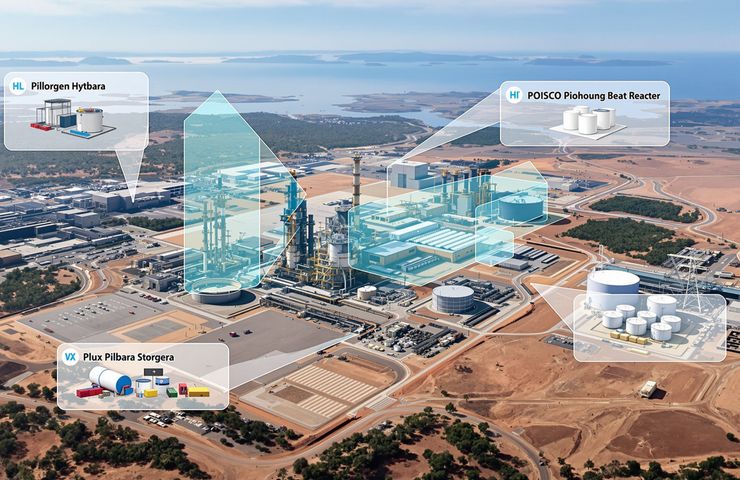
Bloom Energy has dedicated years to rolling out high-temperature solid oxide fuel cells that transform fuels like natural gas, biogas, or hydrogen into electricity without any nasty combustion. These bad boys run at 600–1,000°C, providing on-site, grid-independent power. Companies are taking notice, thanks to the tech's modularity and efficiency, especially since it can cut emissions when used with renewable hydrogen. In the past year, Bloom’s stock has more than doubled as data center operators and other heavy users seek out dependable, low-carbon energy solutions. Their modular servers can be stacked on site, delivering capacity that ranges from 100 kilowatts up into the megawatts. And unlike batteries, fuel cells can keep pumping out power as long as they have a fuel source. They’re even bundling fuel cell leases with service contracts to make it easier on the wallet. Now, they’re aiming not just at data centers but also at hospitals, manufacturing sites, and telecom towers that need reliable microgrid setups. Being the first energy company to join the S&P 500 in years is a major validation of fuel cell tech as a smart play for hydrogen infrastructure, especially with the growing buzz around AI-driven energy needs.
Biotech heavyweight Illumina
Illumina is basically the gold standard in next-gen DNA sequencing, letting labs decode genomes on a grand scale. Their platforms, consumables, and analytics software drive everything from cancer research to population health studies. As genomics moves from being just a research tool to a fixture in clinical diagnostics, the demand for quick and affordable sequencing continues to soar. Illumina’s sequencing-by-synthesis method uses fluorescently labeled nucleotides and top-notch optics to read billions of base pairs all at once. They’re always upgrading their consumables to keep bringing down the per-genome costs. With the rising use in oncology diagnostics, screening for rare diseases, and agricultural genomics, they’re also branching into clinical decision support software and partnering with biopharma for companion diagnostics. With increased regulatory pressures and competition, getting into the index underscores Illumina’s stronghold in the market.
Tech pick Everpure
Everpure, while a bit of a sleeper in the enterprise IT space, plays a vital role in cloud and data storage. From object storage for AI training datasets to block storage for databases and virtual machines for analytics workloads, Everpure’s offerings support the relentless growth of the digital economy. They operate geographically dispersed data centers with robust backup systems, ensuring uptime for critical services. Their pricing structure mixes subscription-based storage tiers with on-demand compute hours, making it appealing to businesses looking for predictable expenses. They’re investing in software-defined storage and encryption features to meet compliance needs in finance and healthcare. With the rise of hybrid cloud approaches, Everpure is teaming up with system integrators to bundle their infrastructure with AI orchestration and managed services. Their classification into Information Technology in the S&P 500 really cements the importance of cloud services as a backbone in today’s economy, especially as it supports the growth of AI, big data, and cloud-native applications.
Shuffled components
The exit of Molson Coors Beverage Company, The Trade Desk, and Builders FirstSource from the flagship index to the S&P SmallCap 600 reflects how S&P maintains appropriate market-cap segments and sector balance. This removal suggests their market cap or momentum might not fit the large-cap criteria anymore and investors are shifting their focus away from those more mature or cyclical businesses. Companies leaving a major index typically see a bit of selling pressure as index funds divest, which can test the stock prices in the short run.
Immediate market reaction
Right after the announcement, shares of Bloom Energy jumped about 6–7% in after-hours trading, while Illumina and Everpure saw gains of around 2%. Analysts are guessing this shift added over $5 billion to Bloom’s market cap as passive funds adjusted their holdings. The initial excitement eased once the market opened, but trading volumes went through the roof. Similar, although smaller, upticks were noted for Illumina and Everpure, which is pretty typical for big-cap newcomers. Meanwhile, the departing trio had a weaker performance, following the usual index-removal patterns, sometimes called the “index effect.”
Broader index trends
Today’s shuffle reinforces a two-part storyline within the S&P 500: a whopping 60% of its market cap is now held within the tech and healthcare sectors. The share of the energy sector is shrinking despite ongoing global decarbonization efforts, making Bloom’s entry quite the unicorn in years past. This shows that clean hydrogen and fuel cell technology are finally starting to gain some serious investor traction. Meanwhile, cloud storage and genomics are solidifying their positions as critical infrastructure components, reflecting how digitization and biological sciences are reshaping leadership in large-cap stocks. The recent sector shifts have favored growth-oriented companies over more traditional ones in materials, consumer staples, and industrials. We’ve now hit record highs for tech valuations, raising some eyebrows about concentration risk. In healthcare, the biotech segment has outperformed typical pharmaceuticals, while the energy representation sits at multi-decade lows as renewables continue to shuffle into different indexes. Still, with a hydrogen fuel cell provider finally breaking into the mix, it highlights the growing appeal of green hydrogen production within mainstream market expectations.
Maverick perspective
Rebalancing indexes may appear to be routine, but these changes tell a much larger story. By promoting Bloom Energy, Illumina, and Everpure, index providers are suggesting where they think growth is heading: AI-powered solutions, genetic insights, and essential digital infrastructure. They’re also quietly signaling which “old economy” names are losing their shine. If you’re betting on traditional staples without considering decarbonization or digitization, you might find yourself out of the loop with institutional investors. This isn’t just a mechanical shift; it’s an insight into where fund managers see risks and opportunities. While Bloom’s fuel cell stacks aren’t a miracle solution, scaling them effectively and securing low-cost hydrogen or biogas remains to be seen. Illumina’s dominance in sequencing could be challenged if regulatory pressures mount or if competitors innovate faster. For Everpure, keeping profits up in a commoditized cloud storage space will be crucial. In essence, while passive investments might inflate these stocks initially, real performance will rely on execution beyond this index inclusion.
Outlook
Passive investments should give these newcomers a nice boost for a while, but the long game will depend on their effectiveness. Bloom needs to prove its solid oxide fuel cell technology is not just scalable but also profitable with low-cost renewable inputs. Illumina has to navigate regulatory hurdles around genetic privacy while keeping the competition in check. As for Everpure, its challenge will be maintaining those profit margins in a crowded cloud storage market. Plus, keep an eye on policy developments: things like incentives for green hydrogen production and carbon credits could shift the economic landscape. The establishment of hydrogen refueling stations and pilot projects for ammonia will really put infrastructure readiness to the test. Meanwhile, index funds and ETFs focused on clean energy and hydrogen production might expand their scopes beyond just solar and wind. So for those tracking hydrogen production and hydrogen storage, Bloom’s addition to the S&P 500 could be the clearest indication yet that hydrogen fuel cell news is making the leap from niche to mainstream.