Green Hydrogen News: POSCO and BHP Advance HyREX Hydrogen Reduction Ironmaking on Pilbara Ore
POSCO and BHP sign a HyREX Collaboration Agreement to validate hydrogen-based steelmaking with Pilbara iron ore at Pohang, advancing near-zero emissions steel production.
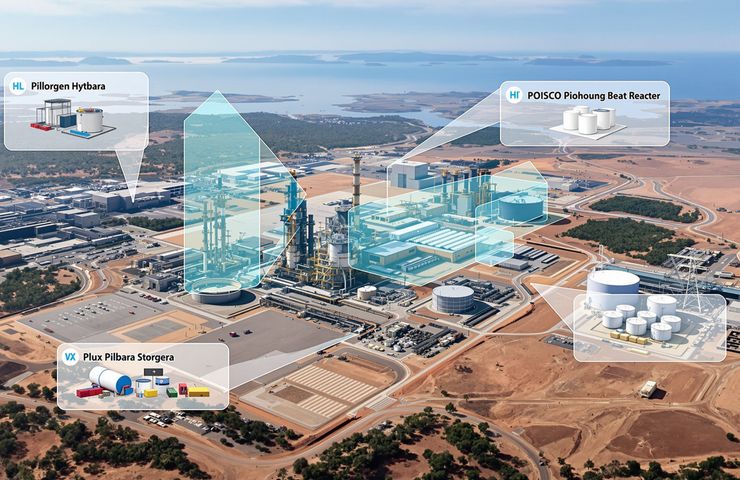
POSCO’s Pohang Steelworks is teaming up with BHP to shift hydrogen-based steelmaking from just an experimental phase to something truly game-changing. This partnership kicked off on September 3, 2026, when they signed the HyREX Collaboration Agreement. Their mission? To put POSCO’s unique hydrogen reduction ironmaking process into action using Pilbara iron ore in brand-new pilot and demonstration plants. The goal is to tackle some big challenges in scaling up steel production with nearly zero emissions, all while testing HyREX’s performance with mainstream ores and fine-tuning the specifications for a commercial rollout.
A Bit of Background
The HyREX Collaboration isn’t starting from scratch; it’s built on over 20 years of innovation from POSCO. They were the first to introduce the FINEX smelting reduction route, which efficiently processes iron ore fines without the need for sinter and coke. Recently, they shifted gears to use 100% hydrogen as feed gas for developing HyREX. Since 2024, their pilot hydrogen steelmaking plant in Pohang has been churning out about 24 tonnes of molten iron daily. Their work with BHP began back in 2021 with a Memorandum of Understanding, in which BHP committed to investing up to $10 million in decarbonization research. By late 2025, the two companies had agreed on a design for a demonstration plant that would handle 300,000 tonnes per year, setting the scene for the crucial verification phase we see now.
- 2021: MoU for hydrogen reduction and CCUS research
- 2024: Pilot HyREX plant goes live in Pohang
- 2025: Demo plant design agreement (300,000 tpa)
- 2026: Signing of the HyREX Collaboration Agreement
Testing the Waters with Mainstream Ore
This partnership is all about moving from small-scale trials with niche materials to testing abundant iron ore fines sourced from BHP’s operations in Western Australia. Engineers will delve into how the characteristics of Pilbara ore can affect things like reduction kinetics, reactor stability, and the consistency of direct reduced iron (DRI). Proving that HyREX works effectively with standard ore is crucial for keeping raw material costs manageable and simplifying supply chains. As part of the agreement, POSCO will mix BHP’s ore into fluidized bed reactor tests at the existing pilot facility and the upcoming demonstration plant.
Understanding How HyREX Works
The process behind HyREX replaces the traditional coke-fired blast furnaces with two separate systems: fluidized bed reactors (FBRs) for hydrogen reduction and electric smelting furnaces (ESFs) for melting. Here's how it goes down:
- Hydrogen Reduction in FBRs: Iron ore fines get fluidized by hydrogen gas at about 700–800°C. This process removes oxygen and produces water vapor instead of CO₂, creating solid DRI.
- Electric Smelting: After that, the DRI is fed into an ESF where renewable electricity melts the iron, and fluxes take out impurities, giving us molten iron that's ready for traditional steelmaking.
This two-part design allows operators to fine-tune both the reduction chemistry and the smelting energy requirements separately. Early trials in Pohang have indicated that they’re seeing a significantly lower CO₂ output per tonne compared to conventional blast furnace methods. Talk about progress!
Strategic and Market Implications
For POSCO, getting HyREX up and running by around 2030 and transitioning away from blast furnaces by 2050 are key pieces of their decarbonization strategy. Testing HyREX with Pilbara ore also makes it a more attractive option for global customers, especially as regulations around carbon emissions tighten. On their part, BHP is not only protecting its iron ore business but also tapping into the rising demand for green steel. Here are some key factors driving this shift:
- Green Premiums: Original Equipment Manufacturers (OEMs) in the automotive and construction sectors are starting to value steel with lower emissions. This shift creates potential opportunities for higher price premiums.
- Feedstock Flexibility: Being able to use regular iron ore fines instead of pricey pellets means fewer supply chain worries and more options when sourcing materials.
- Investment Momentum: This collaboration is a show of faith in hydrogen-based steelmaking, which is likely to bring in more capital and support for future scaling efforts.
The Policy and Infrastructure Landscape
South Korea’s commitment to reaching net-zero emissions by 2050 puts steel production in the spotlight as a priority for decarbonization. The government is backing this up with R&D funding and planning hydrogen supply networks around industrial hubs like Pohang. Still, to make hydrogen-DRI processes competitive, they’ll need green hydrogen prices to drop to around $2/kg. Reliable renewable electricity, infrastructure for importing hydrogen, and clear regulations will all play a big role in how fast we see HyREX take off. Plus, international regulations like the EU’s carbon border adjustment could also impact market dynamics.
Challenges and the Road Ahead
While HyREX promises near-zero emissions when combined with green hydrogen and renewable energy sources, there are a few hurdles to overcome:
- Hydrogen Availability: We’ll need enough low-carbon hydrogen at reasonable prices to steer clear of more polluting alternatives.
- Reactor Stability: Keeping the fluidized bed reactors running smoothly with various ore types for extended durations will be critical.
- Economic Viability: Reducing the current cost premium—which ranges from 24% to 38% more than traditional blast furnace steel—through supportive policies, carbon pricing, and green finance will be vital.
Some analysts caution that any delays in developing hydrogen infrastructure or rolling out supportive policies could slow down adoption. But with forward-thinking companies like POSCO and BHP leading the charge, they’re well-positioned to help set global standards for green steel, making sure they tap into the demand for sustainable practices as industries move towards decarbonization.
As POSCO and BHP dive into this crucial phase of ore-specific verification in Pohang, the industry will be keeping a close eye on the pilot results, the progress of the demonstration plant launch, and any shifts in policy. If all goes well, we could be looking at a feasible pathway to large-scale green hydrogen steel production. That’s not just a win for heavy industry but also a significant step toward aligning with climate goals and propelling the future of hydrogen production and industrial decarbonization.