Hydrogen news
Hydrogen fuel technology is falling years behind, says Ballard
The Canadian fuel cell company points to slow H2 growth to explain massive job and spending cuts Ballard Power Systems, a large hydrogen fuel cell making company from Canada, has announced a massive overhaul that will slash its spending by 30 percent, including huge job cuts. The company underscored a global “slowdown” in H2 growth According to Ballard CEO Randy MacEwen, there has been a notable slowing in both the development of clean hydrogen fuel production capacity, and the infrastructure used for the distribution of H2. Everything, said the CEO, is years behind where it was scheduled to…
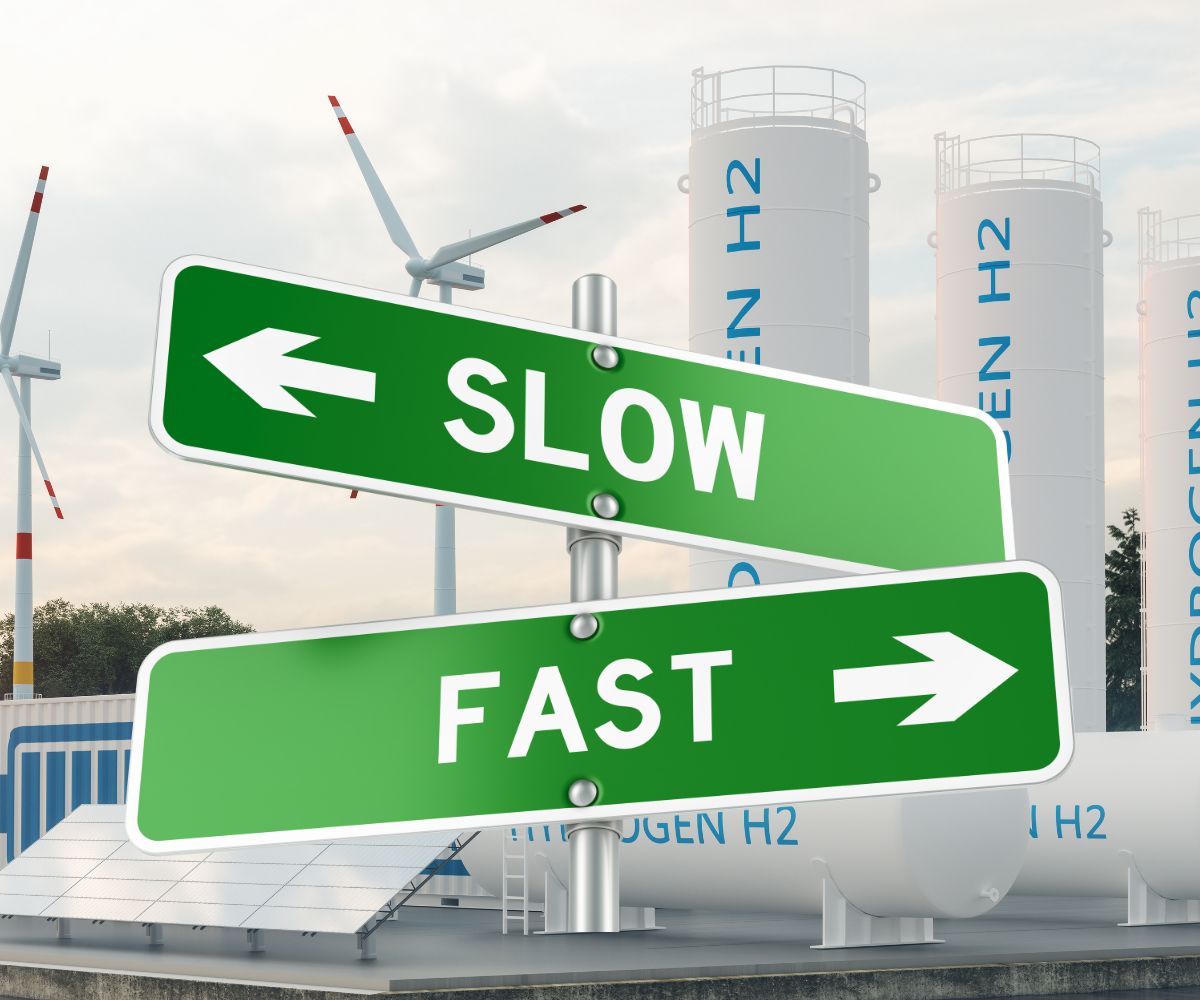
The Canadian fuel cell company points to slow H2 growth to explain massive job and spending cuts
Ballard Power Systems, a large hydrogen fuel cell making company from Canada, has announced a massive overhaul that will slash its spending by 30 percent, including huge job cuts.The company underscored a global “slowdown” in H2 growth
According to Ballard CEO Randy MacEwen, there has been a notable slowing in both the development of clean hydrogen fuel production capacity, and the infrastructure used for the distribution of H2. Everything, said the CEO, is years behind where it was scheduled to be by now. Ballard’s focus in H2 has been in the production of fuel cell systems used for transport sector stationary applications. It was among the companies pushing forward the most in this market, but has now started pulling back, while cutting spending and staff. Among those efforts was greatly pushing back its intentions to build a 3GW manufacturing plant in Texas and stopping its entire Chinese expansion program.Hydrogen fuel isn’t growing as it was expected to
“In the context of a challenging macroeconomic and geopolitical outlook and amid protracted policy uncertainty, we see a multi-year push-out of the availability of low-cost, low carbon hydrogen and hydrogen refueling infrastructure,” said MacEwen in a recent news release. “As this delay represents a significant headwind to our corporate growth plan, we are implementing a cost restructuring to moderate our investment intensity and pacing to better align with delayed market.” MacEwen announced that this would indeed involve lost jobs within the company, though hadn’t said anything specific about which types of positions would be slashed, nor how many. He also added that the company’s annual operating expense would be cut by 30 percent. The majority of the savings will occur next year.
Tightening the belt
On top of those major announcements, capex spending will be reduced, and Ballard will be working for operations consolidation and trimming its development program. That said, it did underscore that product delivery to customers would not be impacted by the changes it is rolling out. The 3GW hydrogen fuel cell and components manufacturing plant in Rockwell, Texas, is a major topic of discussion at Ballard. It had big plans for its operations there, which were only just announced in March 2024. The plant was slated to have all its financial details ironed out by the end of this year. This will certainly be substantially impacted by the changes going on at Ballard. Still, the company received $94 million in grants from the US government and doesn’t want to lose those funds, so it will need to work strategically to ensure that it remains within the requirements of its promises in order to keep them.Looking to the future of hydrogen fuel cell technology
In order to keep pushing forward and keep up its eligibility for the grant money it has been awarded, Ballard is looking into a financing timeline extension. It is also examining the areas in which its cash outlays can be put on pause “until we have appropriate market adoption indicators,” explained MacEwen. At the same time, Ballard’s entire strategy for expansion in China is potentially facing the axe. This strategy found its start in 2018, when it was linked with Weichai Power, a Chinese auto parts and powertrain company, through. At that time, Weichai Power took an almost-20 percent stake in Ballard for $163 million, on top of a $90 million technology transfer. Resulting from that deal was a joint venture between the companies that was meant to bring Ballard’s hydrogen fuel cell technology into the Chinese market. However, according to MacEwan, the venture has been underperforming, contributing to the “continuing challenges in the China fuel cell market.”How was this article?
Thanks for the feedback!