Hydrogen news
Toyota pushes forward with hydrogen cars with GR Yaris
The automaker is keeping up its hype over H2 and is now focusing on faster vehicles. Toyota (TYO stock symbol 7203) is doubling down on its commitment to hydrogen cars and other H2 powered vehicles by introducing its new GR Yaris to racing, following its Corolla Sport launch earlier this year. Both racing vehicles boast an H2 internal combustion engine to power their speed and range. The GR Yaris and Corolla Sport aren’t intended to be simply a faster version of Toyota’s Mirai hydrogen car. Instead, they are H2 combustion vehicles, instead of being fuel cell cars like the Mirai. In this way,…
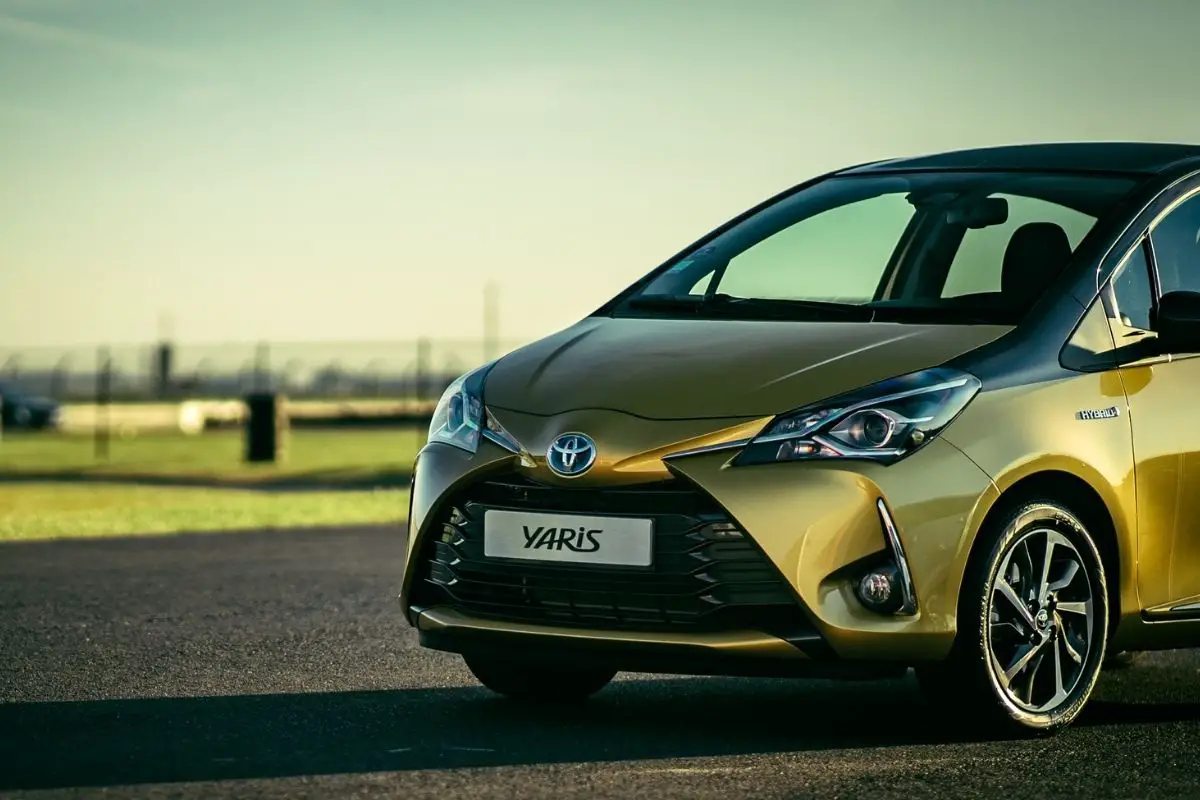
The automaker is keeping up its hype over H2 and is now focusing on faster vehicles.
Toyota (TYO stock symbol 7203) is doubling down on its commitment to hydrogen cars and other H2 powered vehicles by introducing its new GR Yaris to racing, following its Corolla Sport launch earlier this year.Both racing vehicles boast an H2 internal combustion engine to power their speed and range.
The GR Yaris and Corolla Sport aren’t intended to be simply a faster version of Toyota’s Mirai hydrogen car. Instead, they are H2 combustion vehicles, instead of being fuel cell cars like the Mirai. In this way, they are closer to traditional petroleum burning cars in that they burn their fuel, though that fuel just happens to burn without producing greenhouse gas emissions. https://www.youtube.com/watch?v=25iGS7gVX_M “The hydrogen-powered experimental GR Yaris and the Corolla Sport both feature the same G16E-GTS, 1.6-litre, in-line 3-cylinder, turbocharged engine that is found in the award-winning GR Yaris, but with a modified fuel supply and injection system for use with hydrogen as fuel,” said a statement from the automaker.Beyond these new hydrogen cars, Toyota is still looking to the Mirai to drive passenger vehicles ahead.
The Mirai was developed for use as a more traditional passenger vehicle, whereas the GR Yaris is meant for the racing circuit. Still, despite their differences, they do have quite a bit in common. “The hydrogen fuel, fuel tanks and refueling process of the experimental [GR Yaris] vehicle are the same as found in the Mirai, Toyota’s commercially available flagship fuel cell electric vehicle,” continued Toyota in its statement.Taking a closer look at hydrogen cars powered by combustion engines.
Though some have asked why the automaker shifted from fuel cells to internal H2 combustion for its GR Yaris racer, there is a relatively direct reason for it. “First and foremost, internal combustion engines are cheap to make and can easily be modified to run on hydrogen. As with fuel cells, the main waste product is water, not carbon dioxide. Also, unlike gasoline, hydrogen burns well in ‘fuel-lean conditions,’ where there’s a lot more oxygen than fuel. That’s good for fuel efficiency and also vastly reduces nitrogen oxide emissions,” said Paul Ronney, aerospace and mechanical engineering professor at the University of California Viterbi School of Engineering, as quoted in a 2019 USC interview.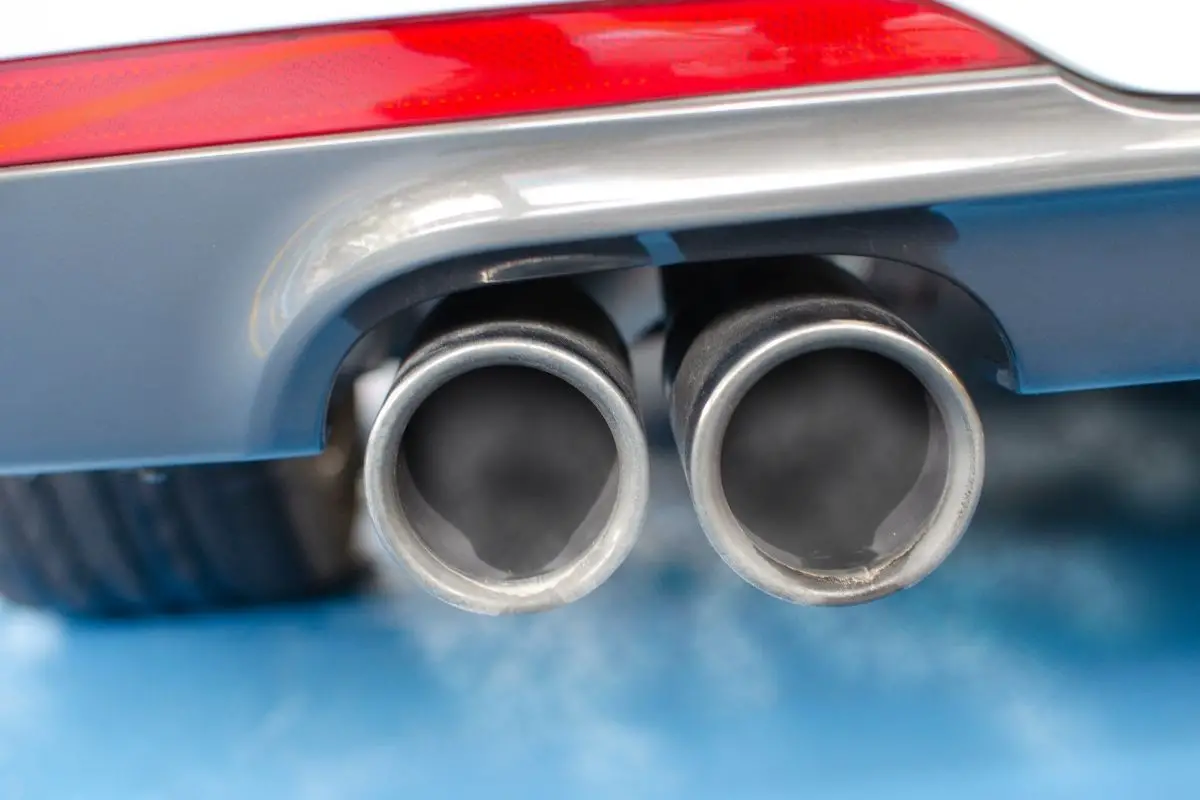
The problem with nitrogen oxide emissions in H2 combustion engines.
The issue is that nitrogen oxide (NOx) is produced when H2 is burned in the presence of ambient air. Therefore, this is the case with a combustion engine burning H2, though it doesn’t occur in fuel cell vehicles. In the presence of pure oxygen, it will also not occur, but this is not the environment in which an internal combustion engine burns its fuel. Toyota has recognized this issue and does not intend to roll out its combustion engine hydrogen cars into the mass market until the nitrogen oxide issue is resolved, among other things. Still, the automaker continues to invest in technology to move H2 vehicles forward instead of giving up on it and turning toward an alternative such as battery electrics, as other automakers have done. “Towards achieving carbon neutrality, Toyota has been strengthening its efforts, such as by aiming to promote the use of hydrogen through the popularisation of FCEVs and numerous other fuel-cell-powered products,” Toyota once said in a statement explaining its perspective on the matter. “By further refining its hydrogen-engine technologies through motorsports, Toyota intends to aim for the realisation of an even better hydrogen-based society.”Hydrogen cars in a green H2 society.
Toyota believes that as the world moves away from fossil fuels, hydrogen cars will be among the options consumers will be using the most. In fact, increasingly, it has been discussing the vehicles in terms of green H2, the form of the fuel produced using renewable energy so that it is fully decarbonized. This being the case, the automaker is determined to become and remain a leader in the future H2-powered society. “By entering a hydrogen-powered vehicle that uses green hydrogen produced locally in Kyushu, Toyota intends to further strengthen the hydrogen-centered partnerships it enjoys with other industries in Kyushu,” said the company when it initially rolled out its speedier car model. It went on to say that it planned to “contribute to the use and production of green hydrogen, increase energy choice, and thereby contribute to the realization of carbon neutrality.”How was this article?
Thanks for the feedback!