Huelva Seeks Green Hydrogen Hub Role at PMH2 Summit to Boost Hydrogen Infrastructure
Huelva joins Madrid’s PMH2 as institutional partner, pitching itself as a green hydrogen hub alongside Moeve’s 300 MW Onuba project.
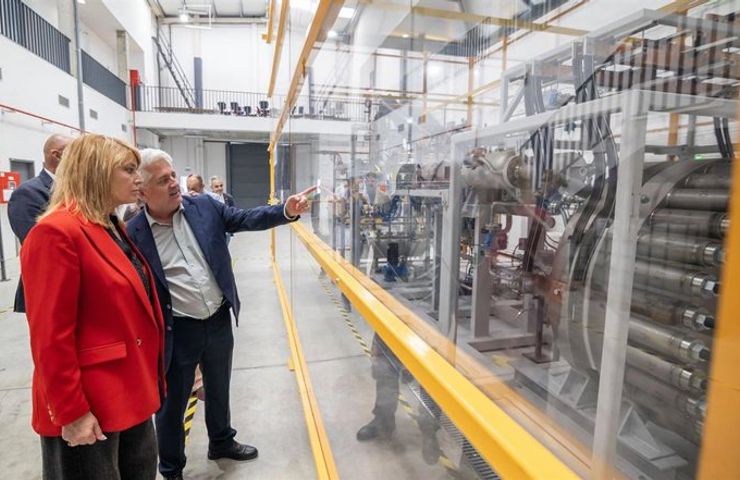
The Ayuntamiento de Huelva will join PMH2 in Madrid as an institutional partner, according to Europa Press. The council plans to coordinate a roundtable on municipal roles in green hydrogen production and will host a stand to promote Huelva’s territorial assets, the report says. The participation is both promotional and practical: the council intends to set out how local governments can position themselves in an emerging hydrogen economy, according to the same Reuters-style briefing by Europa Press.
The sectoral summit, organized by Ariema Energía y Medioambiente, brings together administrations, companies and research centers across the hydrogen production chain, Europa Press reports. This edition features more than 90 speakers and a programme that covers production, logistics, regulation and industrial applications. Organisers have scheduled three roundtables and bilateral B2B meetings designed to connect project promoters with investors; the event aims to weave technical debate with commercial introductions.
Strategic Play
By engaging directly at PMH2, Huelva aims to pitch itself as a logistics and industrial pole for green hydrogen infrastructure in southern Spain. The city is banking on a familiar set of assets: a deep-water port, an existing chemical complex and renewable power potential from nearby solar and wind farms, Europa Press indicates. Those elements, officials say, could combine to make Huelva a node for production, storage and onward shipment.
Local officials view the hydrogen economy as a catalyst for job creation in engineering, construction and maintenance services, along with increased municipal tax revenues. According to the council, developing a hydrogen hub could revive parts of the industrial hinterland that have faced downturns in traditional sectors. That revival is presented as both economic and spatial: new activity at the port and adjacent industrial areas, the council suggests, could translate into local contracts and skilled positions.
Regional Project Context
The backdrop is the Andalusian Green Hydrogen Valley led by Moeve. According to the Spanish government, its first phase in Palos de la Frontera targets 300 MW of electrolysis capacity, expandable to 405 MW, with an approximate annual output of 50,000 tonnes and around €300 million in public support. The government also outlines a longer-term ambition of up to 2,000 MW for the valley, although it has not provided a definitive timeline.
To date, the executive says it has allocated over €3,000 million to more than 120 renewable hydrogen projects nationwide under national and EU programmes. Those allocations form part of a broader national push to seed projects and attract private investment, the government frames it — but the roadmap remains a framework rather than a guarantee of immediate construction.
Organiser Profile
Ariema Energía y Medioambiente has over two decades of experience in hydrogen technologies, focusing on technical consulting, specialized training and the development of alkaline electrolyzers. The company cites proprietary stack designs and is promoting a 200 MW-per-year electrolyzer factory in Huelva, though this figure has not been independently verified, Europa Press notes. Ariema’s role as organiser situates the firm at the intersection of technical demonstration and commercial matchmaking.
Municipal Roundtable Agenda
The roundtable coordinated by Huelva’s council will address practical deployment challenges, Europa Press reports. Topics include:
- Zoning and land allocation for industrial facilities;
- Community outreach to secure social acceptance;
- Training and workforce development for emerging energy roles;
- Grid connection planning and capacity upgrades;
- Integration of local service providers and supply chain actors;
- Models for distributing economic benefits and local value capture.
Framed together, these items map the municipal levers that can assist or delay projects. By structuring these topics, the municipality seeks to present a roadmap that other local governments might adapt to accelerate green hydrogen production methods throughout Spain.
Technical Angle
Green hydrogen production hinges on splitting water via alkaline electrolysis, a process where an electrolyte solution facilitates electron-driven water decomposition into hydrogen and oxygen. Electrolyzer efficiency depends on electricity price, equipment durability, water quality, maintenance regimes and operating hours. Those variables determine cost per kilogram and ultimately affect whether projects can be bankable.
Securing a stable supply of renewable electricity is critical. Without firm power purchase agreements or owned capacity from nearby wind or solar installations, electrolyzers cannot run at high utilization rates needed for economic viability. The council has yet to disclose any firm power deals, according to available reports. That gap — between local ambition and contracted input power — is a frequent hurdle for proposed facilities across Spain.
Infrastructure Levers
Huelva’s port zone could host onshore compression, storage tanks and pipeline connections to local industries or export terminals. Additionally, the port could facilitate ammonia synthesis as a hydrogen carrier for long-distance shipping. However, no specific port infrastructure investments associated with PMH2 were detailed in the council’s announcement.
Summit as Signal
Participation in the PMH2 meeting signals serious intent, but municipal presence alone won’t secure operational plants. The summit functions as a networking platform: developers and investors look for clear signals of project readiness, such as environmental approvals, land titles, grid interconnection agreements and confirmed water rights. Without those commercial and technical prerequisites, interest can remain conditional rather than contractual.
Spain’s hydrogen strategy includes frameworks for guarantees of origin and subsidies under the national recovery and resilience plans. However, translating policy into permit decisions often faces regional administrative bottlenecks. Those bottlenecks require coordination across permitting bodies, grid operators and local authorities to move projects from paper to ground.
Policy Framework
Spain’s hydrogen roadmap, according to the government, sets market creation targets for 2030 and designs funding mechanisms under the Recovery and Resilience Facility. Regional authorities must align permit processes and grid planning to unlock these resources, requiring streamlined interdepartmental coordination that Huelva’s council is now tasked with accelerating. The municipal role, as presented, is one of convening and clearing obstacles rather than underwriting megaprojects alone.
Hype vs. Reality
The hydrogen sector’s history includes a pattern of high-profile announcements that stall before execution. Many proposed electrolysis plants remain on pre-feasibility lists, lacking binding off-take contracts or integrated supply chain commitments. Huelva must secure these commercial and technical building blocks to avoid becoming another paper project.
Critical Take
A municipal stand and a roundtable discussion can raise Huelva’s profile, but they’re not substitutes for power lines, water permits and signed offtake agreements. The council’s immediate challenge is to convert conference exposure into tangible project milestones, or risk diluting investor confidence. Success will depend on closing the practical gaps that separate announcements from construction starts.
Looking Forward
Huelva’s true benchmark will be operational capacity at its port and industrial complex. Will electrolysers start splitting water next year, or will announcements echo without execution? The wider market in Spain watches to see if southern regions can bridge the persistent gap between clean hydrogen news and green hydrogen production on the ground.
At PMH2, Huelva can plant a flag in the hydrogen debate. The real test will be whether that flag marks an operating hub, or simply another conference claim.