Hydrogen news
Next-gen green hydrogen tech splits water using concentrated solar
An Australian company has successfully demonstrated its green H2 production tech prototype. Sparc Hydrogen has announced the successful testing of its prototype photocatalytic water-splitting reactor, a water-splitting green hydrogen tech that uses concentrated solar as an alternative to the conventional electrolysis method. The prototype was demonstrated at a CSIRO facility in Australia. The successful test of the prototype photocatalytic water-splitting reactor was carried out at the CSIRO Energy Centre in Newcastle, New South Wales, Australia. A concentrated solar thermal plant is operated…
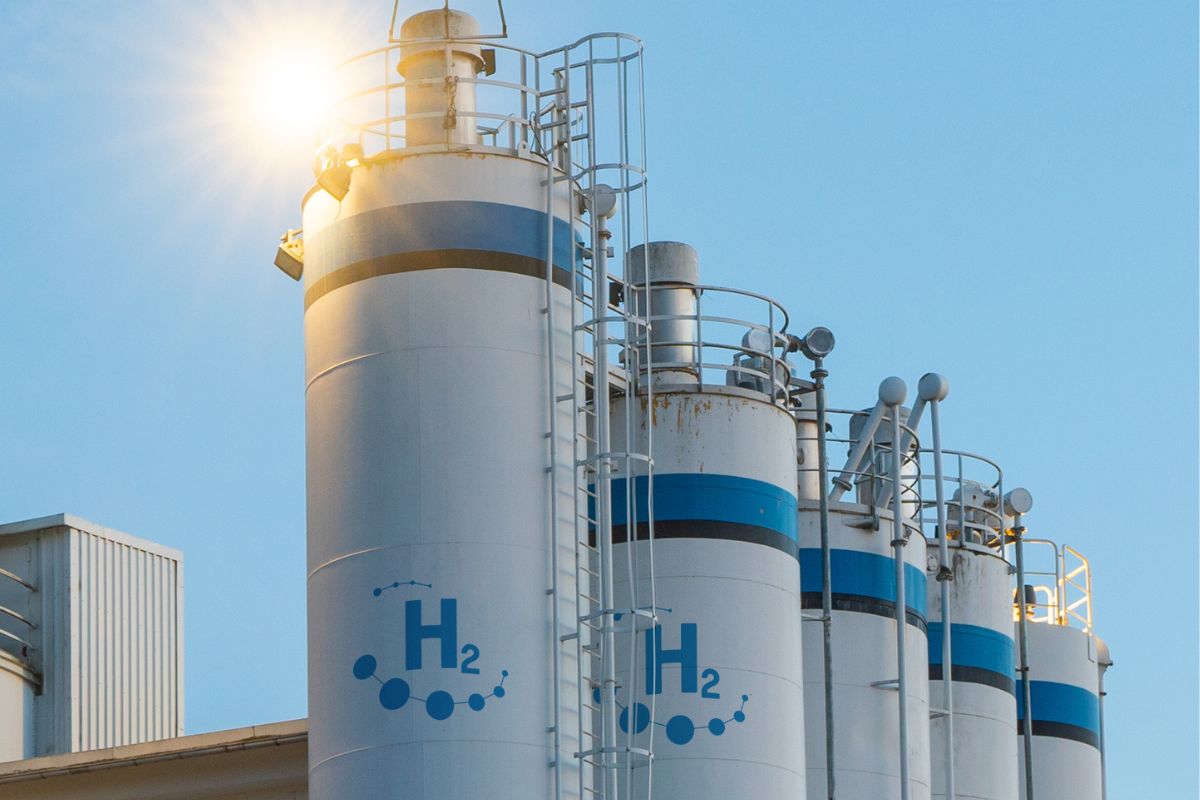
An Australian company has successfully demonstrated its green H2 production tech prototype.
Sparc Hydrogen has announced the successful testing of its prototype photocatalytic water-splitting reactor, a water-splitting green hydrogen tech that uses concentrated solar as an alternative to the conventional electrolysis method.The prototype was demonstrated at a CSIRO facility in Australia.
The successful test of the prototype photocatalytic water-splitting reactor was carried out at the CSIRO Energy Centre in Newcastle, New South Wales, Australia. A concentrated solar thermal plant is operated by CSIRO (Commonwealth Scientific and Industrial Research Organisation) at this facility. Sparc Hydrogen’s goal is to advance next-generation green hydrogen technology. It plans to reach this goal with photocatalytic water splitting, an alternative green hydrogen tech to making renewable hydrogen via electrolysis. Sparc Hydrogen’s method relies directly on sunlight, water and a photocatalyst. The patent-pending photocatalytic reactor the hydrogen joint venture is developing is designed to use concentrated solar to extract hydrogen from water molecules. Photocatalytic water splitting has the potential to be cost-effective while offering flexibility advantages compared to conventional electrolysis. Sparc Hydrogen believes this because photocatalytic water splitting requires less electricity and infrastructure.Pilot plant study for its green hydrogen tech underway.
According to Sparc Hydrogen, it has been working with an unnamed external consultant to complete a pilot plant study based on a site location “proximal to Adelaide”. The study reportedly incorporates a concept flowsheet design, equipment selection, costs, risks and opportunities for a pilot plant that will allow for constant on-sun testing of the green hydrogen tech.
“The study will provide valuable information for grant applications and will form the basis for detailed design and engineering in 2024,” said Sparc Hydrogen.
The study is expected to be finished before the end of 2023.
The study reportedly incorporates a concept flowsheet design, equipment selection, costs, risks and opportunities for a pilot plant that will allow for constant on-sun testing of the green hydrogen tech.
“The study will provide valuable information for grant applications and will form the basis for detailed design and engineering in 2024,” said Sparc Hydrogen.
The study is expected to be finished before the end of 2023.
Scaling the new technology.
Following the successful test of its green hydrogen tech and the completion of its pilot plant study, Sparc Hydrogen will commission a plant, which will mark the next stage in the company’s technology readiness. Sparc Technologies Executive Chair Stephen Hunt stated that “The data and learnings from the repeated on-sun trials are invaluable and will improve reactor design as we continue to scale the technology towards a pilot plant.” Sparc Hydrogen is a joint venture between Sparc Technologies, Fortescue and the University of Adelaide. The company has been awarded nearly AU$500,000 ($315,000) by the Australian government in support of developing its photocatalytic technology. Ready to test your knowledge on the most abundant element in the universe? Take our fun and engaging Hydrogen Quiz now! [forminator_quiz id="58712"]How was this article?
Thanks for the feedback!