Hydrogen news
Are micro-algae the key to green hydrogen production?
A new TAU study has shown that microorganisms can be used to produce renewable H2. Though the majority of the H2 in the world is currently produced using fossil fuel such as natural gas, the goal is to affordably produce green hydrogen without any emissions for the purpose of meeting emissions and climate change targets. Though H2 can be used without greenhouse gas emissions the way it is produced is critical. Once produced, H2 can be used in zero emission vehicles, fuel cells, home heating, and other applications. Though it is colorless, it is often designated using colors to help distinguis…
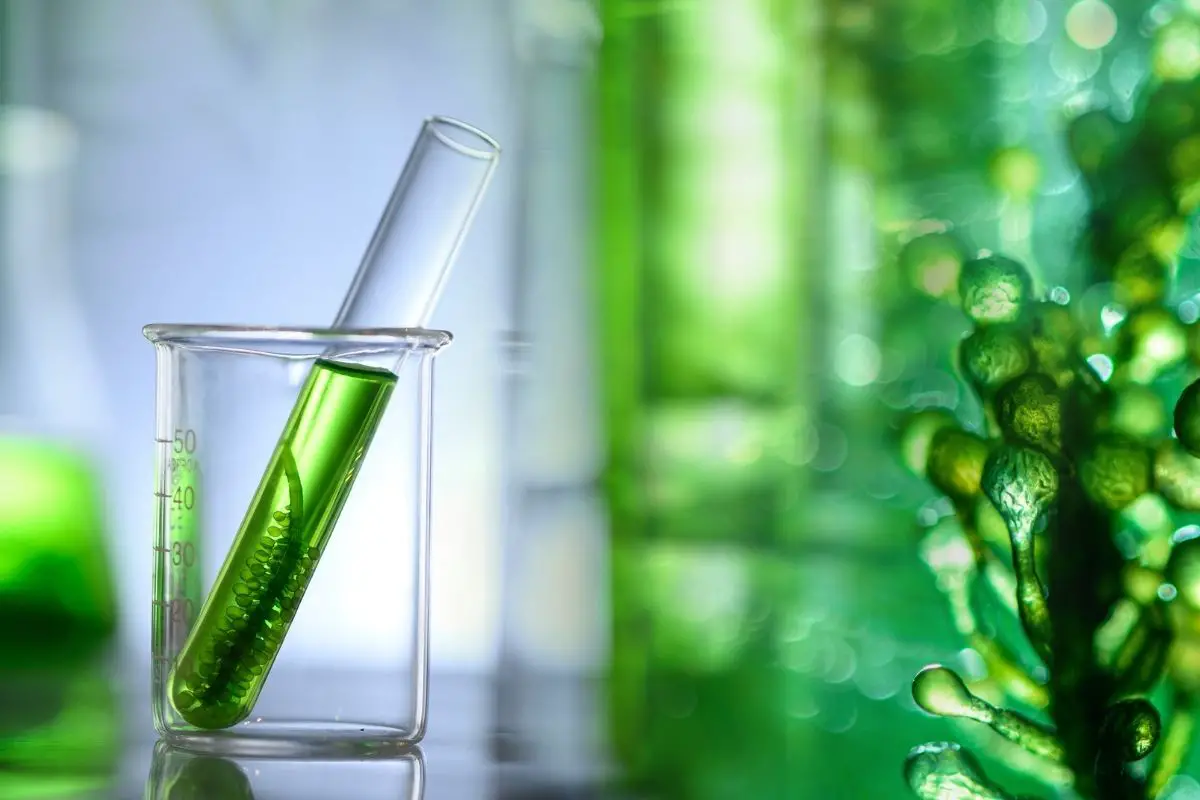
A new TAU study has shown that microorganisms can be used to produce renewable H2.
Though the majority of the H2 in the world is currently produced using fossil fuel such as natural gas, the goal is to affordably produce green hydrogen without any emissions for the purpose of meeting emissions and climate change targets.Though H2 can be used without greenhouse gas emissions the way it is produced is critical.
Once produced, H2 can be used in zero emission vehicles, fuel cells, home heating, and other applications. Though it is colorless, it is often designated using colors to help distinguish from among the methods used to produce it, in order to determine its true environmental impact. Click to learn more about the various hydrogen colors. Grey H2 is the result of the most common fossil fuel-using production methods. Green, on the other hand, is a production method powered by renewable energy, such as wind or solar, and that does not result in any greenhouse gas emissions throughout its production. That said, scientists from Tel Aviv University (TAU) are now pointing to a new potential source of green hydrogen using micro-algae.
The researchers are hoping the new green hydrogen method will boost the transition away from fossil fuel.
The team was led by doctoral student Tamar Elman under Professor Iftach Yacoby’s supervision. They worked in the renewable energy laboratory of TAU’s Wise Faculty of Life Sciences. They hope this use of micro-algae will help to accelerate the industrial transition away from gray H2 toward renewable H2 instead.[aweber listid="6179904" formid="1469020671" formtype="webform"] The researchers published their findings in a paper called “Enhanced chloroplast-mitochondria crosstalk promotes ambient algal-H2 production,” in the Cell Reports-Physical Science journal. In that paper, the researchers detailed their study of a mutant strain of microscopic algae which permits for the production of H2 via photosynthesis. The scale by which the zero-emission fuel is produced would meet the demands of industrial requirements, said the researchers. According to the researchers, this is considerably more efficient and less costly than previously developed methods of producing green hydrogen, which require solar or wind energy generation, distilled water and precious metals.How was this article?
Thanks for the feedback!