Green hydrogen production nears grey-hydrogen parity in China as infrastructure hurdles persist
Project-level green hydrogen costs in northwest China are nearing grey hydrogen levels, but transport premiums keep end-user prices high, highlighting the need for expanded hydrogen infrastructure.
Imagine a world where green hydrogen finally matches up to the traditional grey hydrogen game across China. Recent insights from the Shanghai Metals Market’s China Hydrogen Price Index hint that we're getting pretty close! In certain resource-rich areas, the costs to produce green hydrogen are now rivaling those of coal-based hydrogen. But there's still a gap between where it’s cheap to create and where it’s needed most. This moment is a mix of hope for the future of clean hydrogen and the reality check of uneven hydrogen infrastructure as China speeds up its transition to a low-carbon hydrogen economy.
According to the figures from SMM, projects that are either underway or have been commissioned are pushing renewable-based hydrogen capacity beyond one million tonnes annually. In regions like Inner Mongolia and Xinjiang, the price of green hydrogen has dropped to between 14-18 CNY/kg, and it can go even lower—down to 11.2-14 CNY/kg—when tapping into curtailed wind and solar energy. This puts it right on par with local grey hydrogen, which ranges from 12-15 CNY/kg. However, if you look at the end-user prices in the Yangtze River Delta, they’re still pretty steep—about 33.7 CNY/kg for conventional hydrogen and 34.3 CNY/kg for certified clean hydrogen. That’s a hefty transport and storage premium of more than 18 CNY/kg!
Cost Drivers and Tech Leaps
So what’s driving down these costs? A big part of it is the significant drop in electrolyser prices and improvements in efficiency. China's alkaline electrolysers have surged past 40 GW, and the competition has driven prices down by over 60%. Plus, the energy consumption for production has dipped below 4.2 kWh per normal cubic meter of hydrogen. Developers are now leveraging plentiful and affordable renewables—sometimes even those that would otherwise go to waste—to keep pushing production costs down. Some independent studies from Cambridge’s EPRG and the Sino-German Energy Partnership even suggest that green hydrogen in China could reach broad cost competitiveness by the early 2030s, but the latest project data indicates we're seeing some encouraging signs much sooner!
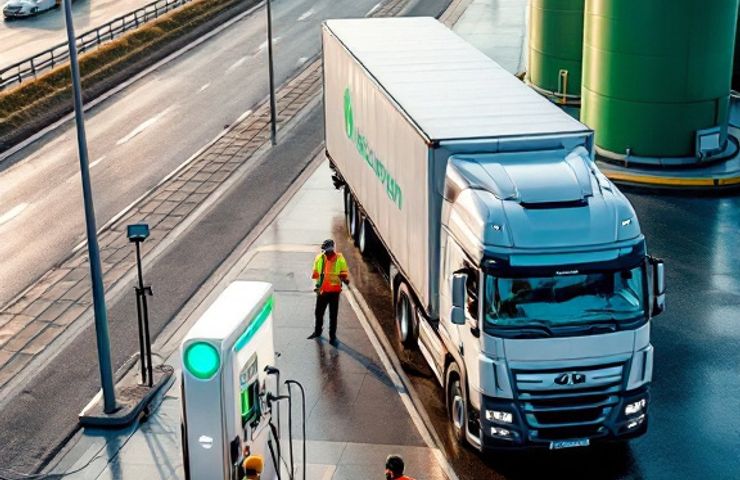
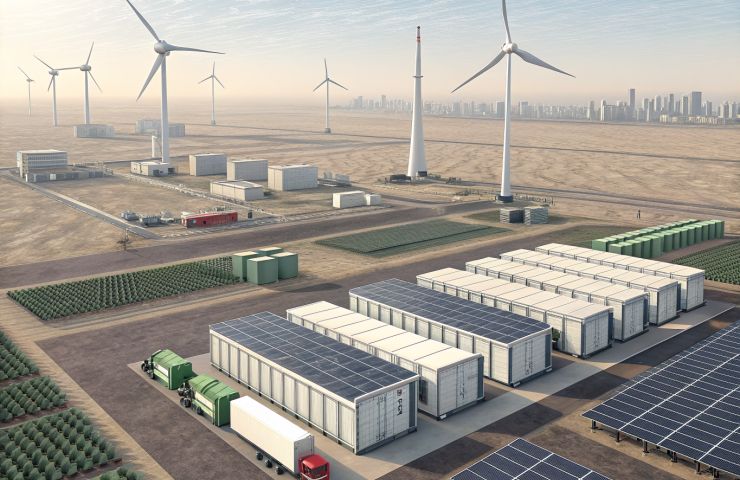
In places like Inner Mongolia and Xinjiang, massive wind-solar setups, which were once held back by grid issues, are now getting hooked up with large-scale electrolysers. This surplus electricity is being transformed into competitive green hydrogen, challenging the old assumption that clean hydrogen would always be pricier. Still, there’s a challenge: these production hubs are far from the areas where most demand exists. Without pipelines, trucks are the go-to option for transportation, often carrying the hydrogen over hundreds of kilometers in high-pressure tube trailers, which can add some steep costs.
On the flip side, the Yangtze River Delta—where China's industry really hums—depends heavily on imported hydrogen. Advanced chemical parks and refineries, as well as the rising Hydrogen Corridor, are consuming hydrogen at prices that can be almost double what it costs to produce locally. There’s a modest 0.65 CNY/kg premium between ordinary hydrogen and certified clean hydrogen, suggesting that clean hydrogen offtake agreements are starting to take shape. But if we want to see real growth, we need better infrastructure in place.
Logistics Bottlenecks
When it comes to logistics, they're the name of the game. Right now, there’s about 350 km of pure-hydrogen pipeline in operation, which makes trucking the dominant method, and a 500 km haul can add more than 20 CNY/kg to the bill. There’s a big plan underway—the West-to-East Hydrogen Transmission Project—that promises to deliver hydrogen to the eastern ports at 19-22 CNY/kg once it's completed. But building these pipelines requires significant investments and technical safeguards to deal with hydrogen embrittlement. Until we see a larger network come to life, the cost difference between production areas in the northwest and consuming markets will keep hanging around.
Policy Winds and Modelling
China’s National Development and Reform Commission has already integrated green hydrogen into its climate strategies, aiming to crank out up to 200,000 tonnes per year by the mid-2020s. On an international level, the EU’s Carbon Border Adjustment Mechanism is upping the ante for low-carbon hydrogen across export markets. With its supply-chain benefits and supportive regulations, modelling from Cambridge EPRG and the Sino-German partnership helps explain why we’re seeing some surprising early cost parity.
Hurdles Ahead
However, it’s not all smooth sailing. A European think tank, MERICS, has pointed out that about 86% of China’s electrolyser capacity is sitting unused, which suggests there might be an overcapacity issue and a lack of strong demand. We’ve still got some technical hurdles to clear—from leakage to efficiency in compression—which call for ongoing research and development. Plus, the climate benefits of green hydrogen really depend on how it’s being used. For instance, substituting coal in the chemical industry could make a significant dent in CO₂ emissions, but in some scenarios, direct electrification might actually be the better option. Meanwhile, the market is still dominated by long-term contracts, which can keep prices opaque and stifle fluidity.
For those in the industry, the takeaway is pretty straightforward: China’s green hydrogen journey isn’t just a pipe dream anymore. Those early signs of price parity demonstrate what could be on the horizon, but for this to become the norm, we need aligned investments in pipelines, storage solutions, and refueling networks to make everything work. Developers are going to have to secure solid offtake agreements, and financiers will need to balance the risks of stranded assets against the benefits of cutting carbon emissions. As China shifts from testing ground to market reality, being nimble—both technically and commercially—will set the leaders apart from the followers in the global hydrogen scene.
The point at which green and grey hydrogen costs meet at specific projects feels like a major turning point. Rapid advancements in technology and abundant renewable resources are rewriting the rulebook, but making a lasting impact will still rely heavily on effective infrastructure and smart market design. How China handles its next moves in policy support, logistics expansion, and strategic funding will truly shape whether these early signs of price parity snowball into a fully competitive clean hydrogen market. For anyone keeping an eye on hydrogen energy news, this narrative is only just beginning!