Green Hydrogen Pipeline Faces Market Correction Amid Project Suspensions
In 2025, leading firms like BP and Origin Energy cancelled major green hydrogen projects—Rystad Energy cites strategy shifts, cost pressures, and lack of offtake agreements as key drivers.
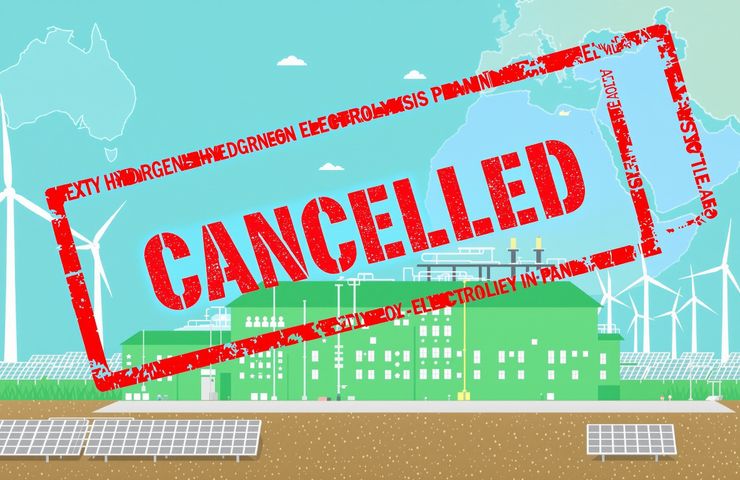
Ever feel like the green hydrogen hype is crashing into a reality check? Mid-2025 hit the industry with a giant speed bump: big players started pausing or ditching key low-carbon hydrogen schemes. BP and Origin Energy, who just months ago hailed these projects as cornerstones of future energy exports, quietly shelved them. And according to Rystad Energy’s August 2025 report, this isn’t a tiny glitch—it’s a full-on market correction. Around six million tonnes per year of planned capacity—almost a quarter of what was announced globally—is now off the books.
Flashback to 2020: governments threw multi-billion-dollar support packages at this, setting consumption quotas and big targets—like the EU’s push for gigawatt-scale electrolyzers. By mid-decade, hundreds of green hydrogen schemes had been announced, but only a handful were actually breaking ground. It’s like framing a skyscraper, then realizing halfway up that the foundation’s shaky. That mismatch between sky-high ambition and market reality is what’s driving today’s pullback.
The Anatomy of a Pullback
All those companies chasing headline-grabbing targets are circling back to their bread-and-butter profits. For BP, that means leaning on refining and their core oil and gas play. Origin Energy, with its big retail and gas footprint, also doubled down on steady cash flow. According to Rystad Energy, strategic shifts account for about 24% of the cancelled pipeline.
Money talks, right? Without solid offtake agreements, getting project finance is nearly impossible. Banks and investors aren’t going to fund an electrolysis plant if there’s no buyer lined up. Then you’ve got inflation driving costs up and shaky power purchase deals to boot. Mix in permit delays—think environmental sign-offs and water rights—and before you know it, your project deck’s outdated before shovels hit the ground.
Technical Hurdles: More Than Just Electrolysis
At its heart, hydrogen production hinges on electrolyzer tech, and there’s no silver bullet. Alkaline systems cost less upfront but take up tons of space and can’t handle fluctuating power. PEM units are nimble and compact, but they lean on pricey platinum catalysts. And the new SOEC models promise efficiency gains but demand high-temp materials and large-scale validation. It’s not as simple as plug, play, and power up.
One veteran developer summed it up: “We got swept up in the gigawatt-scale hype. Now we’re dialing back, fine-tuning designs, chasing realistic costs, and locking in offtake before we break ground.” It’s a reality check for an industry that hasn’t been tested at this scale yet.
Global Impact Zones
Two places are feeling the freeze hardest: Australia and the Middle East. In Western Australia, plans for hydrogen hubs tied to solar and wind farms north of Perth got slashed or paused. Local jobs and downstream hydrogen infrastructure took a hit. Suppliers, logistics firms, and port operators—who were gearing up for exports—are left with idle gear and renegotiated leases.
Meanwhile in the Middle East, Saudi Arabia and the UAE had big dreams of desert hydrogen parks. But without firm pricing rules or long-term buyers, those billion-dollar plans have lost steam. Ammonia and refining projects that banked on local hydrogen production are scrambling for other feedstocks. It’s not just stranded assets—it’s a blow to industrial decarbonization roadmaps in steel, ammonia, and refining that were counting on a hydrogen lifeline.
Collateral Ripples and Investor Sentiment
These cancellations ripple out. Investor confidence takes a hit, and ESG funds and infrastructure financiers start eyeing risk differently. Electrolyzer makers see production lines idle, and service providers—from pipeline fabricators to specialized logistics—watch order books thin. Downstream players, whether they’re making ammonia or steel and counting on clean feedstocks, face delays that push their decarb plans further out.
Plus, it throws up big questions on policy credibility. Will governments step up with enforceable mandates, or will green hydrogen targets become just another check-the-box exercise? How they answer that will shape the sector’s next chapter.
Turning Setbacks into Strategic Wins
Here’s the silver lining: this correction can push smarter moves. Expect smaller, modular electrolyzer projects that lower capital risk. Developers might band together on shared hubs—common storage, compression, or port access—to shave off unit costs. We could also see tie-ins with existing petrochemical or refining sites, tapping into shared utilities and pipelines to cut capex.
Financial creativity is on the horizon, too—government guarantee schemes or hybrid offtake deals blending corporate and state buyers. Policy wonks are pushing for subsidies tied to actual hydrogen delivery, not just electrolyzer capacity. They want enforceable offtake floors and multi-user hydrogen hubs. In plain English: move from “announce and forget” to “sign here and build,” so banks and communities feel confident backing the next wave of projects.
LOOKING AHEAD
- Policy Alignment: Will incentives reward real-world hydrogen delivery over mere announcements, or leave gaps between ink and infrastructure?
- Offtake Aggregation: Can buyers—from airlines to steel mills—bundle demand to underwrite volumes?
- Tech Breakthroughs: Which electrolyzer type finally crosses the cost curve and wins the commercial race? Watch pilot projects combining low-cost renewables with advanced PEM or SOEC units for signals.
- Investor Appetite: Do ESG and infrastructure funds return once frameworks solidify?
- Global Forums: Will next year’s COP feature fewer bold hydrogen pledges and more ground-level implementation roadmaps?
- Workforce Skills: Will training programs ramp up to fill specialist roles from technicians to project managers?
If these pieces fall into place by 2026, we could see a rebound—more resilient, bankable projects ready to scale. Otherwise, hydrogen may remain a half-built vision for years to come.
And just as no plane ever took off without a runway, hydrogen needs solid foundations before it can soar.
Ultimately, 2025’s cleanup could be a blessing in disguise. It flushes out overambitious plans, leaving room for ventures with real commercial legs. That’s how you build robust hydrogen infrastructure—one pragmatic step at a time.
About BP & Origin Energy
BP is a UK-based integrated oil and gas company focusing on energy production, refining, and marketing, now rebalancing its portfolio toward core operations and select low-carbon projects. Origin Energy is a leading Australian energy company active in power generation, retailing, and natural gas, adjusting its strategy to safeguard stable cash flows amid market shifts.