Green Hydrogen News: Tokyo Explores Rotterdam Tie-Up to Secure Hydrogen Imports
Governor Koike used the World Hydrogen Summit in Rotterdam to signal Tokyo’s intent to secure green hydrogen imports via the Port of Rotterdam, laying groundwork for technical, commercial, and regulatory cooperation.
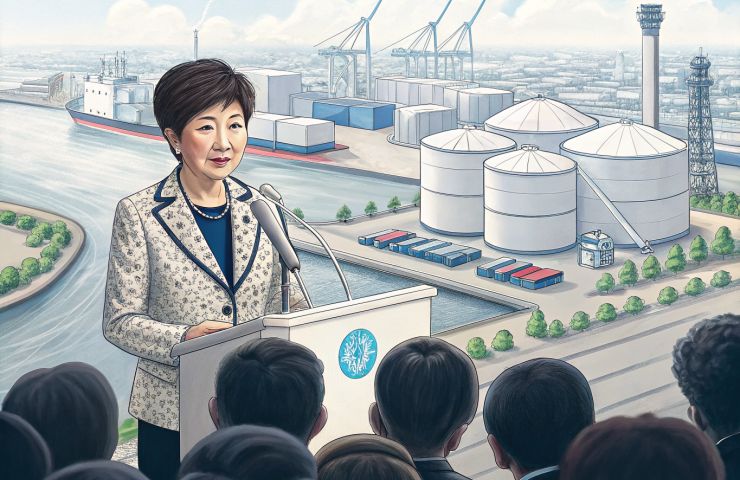
This month in Rotterdam, Governor Yuriko Koike from the Tokyo Metropolitan Government took center stage at the World Hydrogen Summit to share Tokyo's exciting plans for tapping into green hydrogen imported from the Netherlands. With its ambitious Zero Emission Tokyo strategy aiming for net-zero greenhouse gas emissions by the middle of the century, Tokyo is on the lookout for ways to supplement its local renewable energy resources with international supply chains, all anchored at Europe's biggest seaport—the Port of Rotterdam.
Strategic Context in Tokyo
As a bustling city with over 14 million people, Tokyo faces a steep challenge when it comes to decarbonizing its transport, buildings, and industries—all of which are vying for limited urban space. The Zero Emission Tokyo plan sets ambitious goals to reduce emissions by 30% from 2000 levels by 2030, aiming for net-zero by 2050. Given that renewable energy deployment within Tokyo is quite limited, the city sees green hydrogen as a way to harness the plentiful wind and solar energy available elsewhere.
While offshore wind and rooftop solar will contribute to the grid, hydrogen shines in sectors that aren't as straightforward to electrify—like heavy transport, steel production, and distributed power generation in buildings. Hydrogen fuel cells offer impressive efficiency and zero tailpipe emissions, and Tokyo has already rolled out fuel cell buses and building-scale combined heat and power systems. But to go beyond pilot projects, the city needs steady hydrogen production and effective import logistics. Local planners have noted that blending hydrogen into existing gas networks over about 20% by volume requires costly system upgrades. So, Tokyo is looking into dedicated lines for high-purity applications and evaluating the water usage for large-scale electrolysis.
Tokyo’s Hydrogen Ambitions
Under Governor Koike's leadership, Tokyo is taking a multi-faceted approach to ramp up hydrogen usage:
• Transport: Increasing the fleet of fuel cell buses, while setting up a network of hydrogen refueling stations to support both municipal and private vehicles.
• Buildings: Rolling out distributed fuel cell generators for peak energy demands and emergency power, showcasing how hydrogen can help back up the grid during extreme weather.
• Industry: Collaborating with companies to pilot hydrogen-based processes for steelmaking and chemicals, and looking into clean feedstocks for high-temperature and high-purity requirements.
Despite these efforts, Tokyo's domestic pipeline capacity and storage options still have limitations. The city is exploring ammonia-to-hydrogen cracking plants in Tokyo Bay, aiming to import ammonia—a more manageable hydrogen carrier—and convert it locally for use in fuel cells and industrial burners.
Rotterdam as Europe’s Hydrogen Gateway
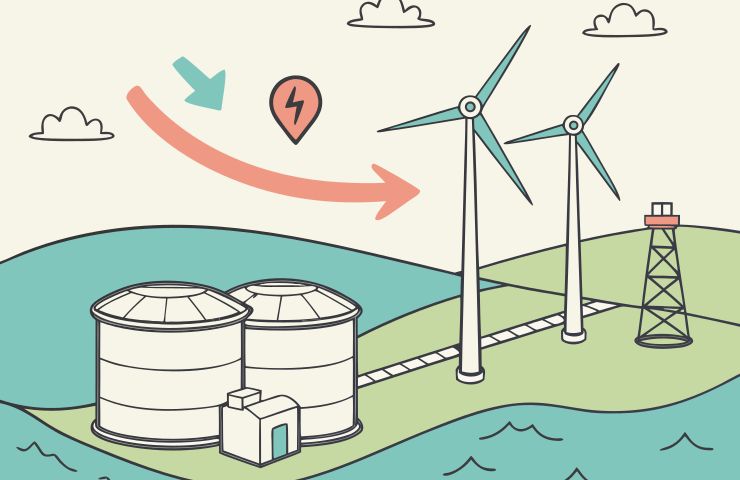
The Port of Rotterdam is shifting its oil and gas terminals to become major hubs for clean hydrogen and ammonia. By retrofitting jetties, constructing cryogenic storage facilities, and connecting pipelines to local chemical parks, Rotterdam is positioning itself to receive liquid hydrogen and green ammonia from global suppliers. The Netherlands aims to scale its electrolyzer capacity powered by North Sea offshore wind to hundreds of megawatts, producing green hydrogen for both local consumption and export.
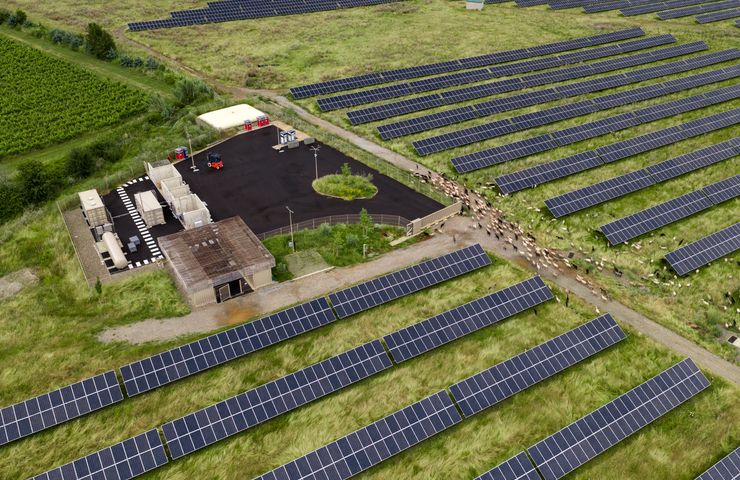
During the summit, attendees toured an electrolyzer pilot project located alongside an offshore wind terminal, demonstrating how combining renewables with electrolysis can cut down on transmission losses. The port authority shared plans to manage different forms of hydrogen carriers—liquid hydrogen, compressed hydrogen, and ammonia—each presenting unique storage and handling challenges. Having unified safety protocols is crucial to Rotterdam’s overall strategy.
Business Models and Policy Frameworks
Establishing a transcontinental hydrogen corridor will require strong commercial structures and supportive regulations. In Rotterdam, stakeholders are drafting long-term off-take contracts with Japanese utilities and trading firms, eyeing multi-decade agreements to secure financing for terminal upgrades and pipeline expansions. Aligning hydrogen supply with Tokyo's demands—whether for seasonal heating, industrial ramp-ups, or transport logistics—will be pivotal for operational efficiency.
From a policy perspective, Japan's Basic Hydrogen Strategy anticipates substantial imports of low-carbon hydrogen and ammonia. The EU's certification framework for Guarantees of Origin tracks emissions from production to transport, paving the way for a smoother customs process and reducing transaction costs. Both governments are keen on mutual recognition of sustainability criteria, which can help ease the importation of hydrogen that meets stringent lifecycle emission standards. Potential financing avenues include green bonds, low-interest recovery loans, and feed-in premiums under recovery programs, with the EU looking into launching an EU Hydrogen Bank for price support.
Technical and Logistical Considerations
Transporting hydrogen across continents raises engineering and safety challenges. Ammonia delivers higher volumetric energy density and benefits from existing shipping networks, but it requires cracking facilities at the destination port to extract hydrogen. Liquid hydrogen carriers demand cryogenic storage and careful management of any boil-off. On the other hand, compressed hydrogen necessitates high-pressure vessels. Tokyo is assessing these options, weighing capital costs against operational efficiency and potential transit losses.
When it comes to electrolyzer technology, different choices—alkaline, PEM, or solid oxide—come with their own pros and cons in terms of efficiency, durability, and expenses. Tokyo's technical teams are collaborating with Dutch and Japanese manufacturers to evaluate standardized modules that can scale to gigawatt-level production. Insights gleaned from Rotterdam's first large-scale alkaline pilot, featuring automated zero-carbon backup, could refine Tokyo's procurement specifications.
Implications and Next Steps
Even though no firm procurement agreements were finalized, Governor Koike’s active engagement sends a strong message: Tokyo is serious about becoming a major player in clean hydrogen imports. The next steps include forming a bilateral task force to nail down technical standards, pilot programs for ammonia cracking, and memoranda of understanding between terminal operators in Tokyo Bay and Rotterdam's port authority. These steps will lay the groundwork for pilot shipments, which are crucial trials for cross-continental hydrogen logistics.
Beyond Rotterdam, Tokyo is also eyeing potential green hydrogen suppliers in Australia, the Middle East, or Canada, looking to diversify its supply chains. If pilot shipments and certification go well, Tokyo could seal long-term supply contracts this year, giving private investors the confidence to jump on board for infrastructure development. In the end, this intercontinental supply chain could serve as a test case for the economic viability of hydrogen production, storage, and import strategies, potentially guiding future city-to-port collaborations worldwide.