Green Hydrogen Production Set to Land in Villarrobledo with €50 Million Investment
Villarrobledo is reportedly planning a green hydrogen electrolyzer plant with over €50M investment, signaling growth in Spain's regional hydrogen infrastructure.
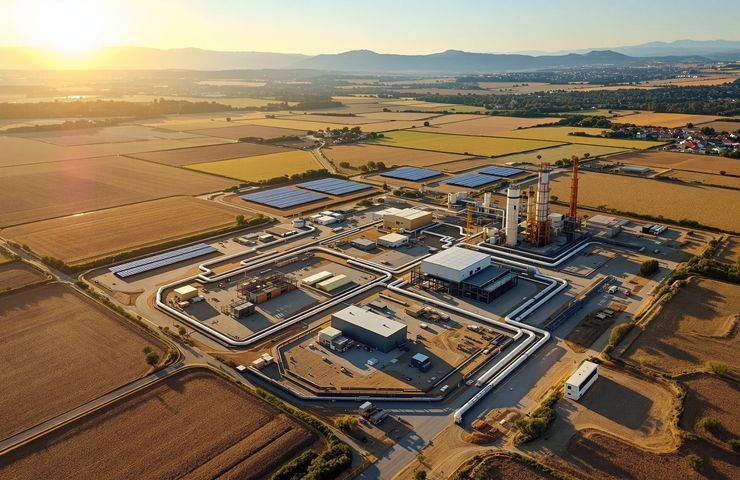
Villarrobledo, a municipality in Castilla-La Mancha, is reportedly gearing up to invest over fifty million euros into a green hydrogen production project. Pretty ambitious, right? The plan is centered around a renewable electrolytic plant that aims to split water into low-carbon hydrogen and oxygen. If they land the right partners and get the necessary permits, this could be one of the first major hydrogen investments in a smaller town instead of the usual industrial giants.
From Local Buzz to Big Dreams
According to local news, they’re talking about a facility that would run off an electrolyzer, which relies on renewable energy from sources like solar or wind. Although the specific developer isn’t named in the public docs, that hefty investment figure indicates they’re aiming for something more than just a trial run. Often, when you see a multi-million euro figure attached to hydrogen projects, it points to a pilot or a smaller-scale plant. But here, with over fifty million euros mentioned, it seems they’re looking to crank out a decent amount of green hydrogen to support nearby industries and maybe even transport.
Right now, though, let’s keep our excitement in check. This is still just a proposal. There hasn't been any formal word from a developer, and the local government hasn’t issued any permits yet. It doesn’t mean it won’t happen, but it does highlight the difference between an idea on paper and a fully funded project. In the hydrogen world, that journey from concept to reality can take quite a bit of time—think engineering studies, environmental impact assessments, and so on.
Why is a Small Town Eyeing Hydrogen?
Spain’s really stepping up as a leader in Europe’s clean hydrogen push, mainly because of its abundant sun and a strong push toward cleaner industrial processes. Usually, the spotlight is on the coastal cities or urban hubs where they’ve already got access to ports, established gas networks, and heavy hydrogen users driving early projects. But Villarrobledo is shaking that up: it’s more in the middle of the country, with wide-open spaces perfect for laying pipelines and putting in grid connections. Plus, it’s close to both farming and developing industrial areas.
For local governments, hydrogen projects can mean economic lifelines. The capital that rolls in translates to construction jobs during setup, long-term positions for plant operations, and new opportunities for local businesses. If they get a green hydrogen plant off the ground, it could also create partnerships with logistics companies and equipment suppliers, turning Villarrobledo into a little hub for low-carbon activities. For communities looking to branch out from traditional farming, that’s a pretty attractive prospect—it aligns with local economic development goals and could draw even more investors.
All Eyes on Electrolysis
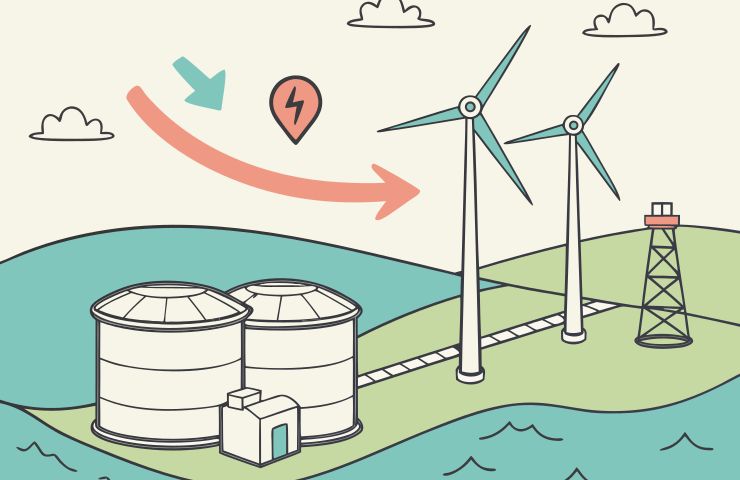
At the heart of this project is the electrolyzer, which is where renewable electricity comes into play to split water into hydrogen and oxygen. This method is often labeled as green hydrogen production, which sets it apart from blue or grey hydrogen that comes from fossil fuels. Simply put, renewable energy sources like solar panels or wind turbines will power an electrochemical cell: one side lets out oxygen, and the other side gathers hydrogen gas.
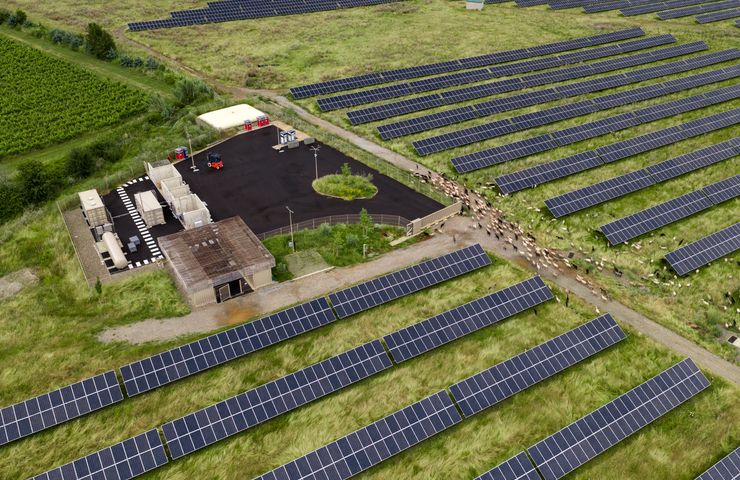
But here’s the kicker: the efficiency of any electrolytic setup really hinges on the technology provider and the cost of electricity. They’ll need a steady supply of renewable power for this project, which might come from solar panels set up right on-site or nearby wind farms. If the electricity isn’t sourced as “additional”—meaning it wouldn’t have existed without this project—the whole carbon benefit starts to fade away. That’s an important thing to consider, as noted by experts like Enagás, although there's no confirmed connection between them and Villarrobledo yet.
Navigating Policy, Permits, and Challenges
Every hydrogen plant in Spain has to jump through a few hoops: securing land-use permits from the municipal officers, making grid connections official, and getting environmental clearances. Villarrobledo’s municipal government might not own the project, but they’ve got a lot of influence over zoning and initial approvals. If everything goes smoothly, it could speed things along; however, any delays or pushback from local residents could throw a wrench in the works, especially if they raise concerns about issues like noise or water usage.
On a bigger scale, the European Union’s push for hydrogen and Spain’s national roadmap are really putting green hydrogen front and center in their plans to cut down on emissions. Projects that show they can benefit multiple countries can tap into support like the EU’s Important Projects of Common European Interest (IPCEI), which offers grants and guarantees. It’s still up in the air whether Villarrobledo will pursue that kind of backing, but jumping into regional or national funding could be crucial to getting the financial pieces in place.
Linking Hydrogen to Agriculture and Ammonia
In a place like Castilla-La Mancha, where farming is a big deal, hydrogen has the potential to help in producing ammonia for fertilizers. This is a win-win that local farmers and processors might want to look into. Instead of having to import ammonia made with grey hydrogen, a local green hydrogen source could support an ammonia production unit right in their backyard, cutting down transportation emissions and bolstering local supply chains. While the current focus is on the electrolyzer, they might also consider adding a small-scale Haber-Bosch installation down the line, which would combine hydrogen production with on-site ammonia synthesis.
This kind of integration could pave the way for smoother offtake deals—one of the main challenges for new hydrogen plants. A market for clean hydrogen-produced ammonia could help anchor pricing and justify investing in infrastructure. Plus, it feeds into Spain’s goal to become a leading hub for green ammonia exports in Europe.
What’s Next?
The news raises plenty of questions. Who’s going to finance this venture? Which technology vendor gets to supply the electrolyzer? How much hydrogen will the plant actually churn out, and who’s going to buy it? Local industries, transport operators, or maybe a new consortium could all be involved, but for now, we’re left hanging. The report mostly outlines intentions and aspirations.
If this plan takes off, it could change the landscape of hydrogen production by shifting focus away from the big port cities and sprawling industrial zones toward smaller, more regional setups. This kind of distribution could make investments more beneficial for smaller economies, helping them carve out a spot in the zero-emission tech scene. But on the flip side, these regional projects can face challenges in scaling up; larger clusters generally have an easier time aggregating demand and building out necessary pipeline infrastructure.
For the moment, we’re left with a single local report. It’s a reminder that as the green hydrogen rush continues, many projects get buzz before they even break ground. Whether Villarrobledo becomes the next hotspot in Spain’s green hydrogen narrative or just a fleeting mention in energy headlines will unfold in the coming months, as funding gets sorted, permits are approved, and construction crews show up.