Hydrogen news
Graphene research gets a boost with new examination method
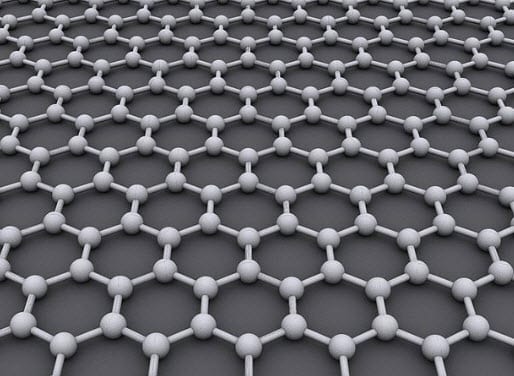
Scientists devise new method to examine the electrons of graphene Researchers from Georgia State University and the Georgia Institute of Technology have come up with a new way to explore the properties of electrons found in graphene. Graphene is a thin material that resembles a honeycomb. The material has significant implications for alternative energy due to its various properties and flexibility. With a new method to examine the electrons of graphene, researchers may be able to find new uses for the material as well as make it more efficient in its current applications. New method allows fo…
Scientists devise new method to examine the electrons of graphene
Researchers from Georgia State University and the Georgia Institute of Technology have come up with a new way to explore the properties of electrons found in graphene. Graphene is a thin material that resembles a honeycomb. The material has significant implications for alternative energy due to its various properties and flexibility. With a new method to examine the electrons of graphene, researchers may be able to find new uses for the material as well as make it more efficient in its current applications.New method allows for the accurate examination of spin in electrons
Researchers Ramesh Mani and Walter de Heer, along with their teams, have created a way to measure the spin properties of graphene electrons. Spin is one of the fundamental characteristics of electrons and is vital in their function. By understanding the spin property, scientists have been able to conduct more detailed examinations and research on a wide variety of technologies and phenomenon. Graphene is a relatively new material and understanding the spin characteristics of its electrons may enable researchers to improve their use of the material.Material plays a significant role in the emerging field of spintronic technology
Graphene, though emergent, is considered to be a key material in the creation of spintronic devices. These devices exploit the spin properties of electrons and could be more energy efficient and powerful than their conventional counterparts. Graphene has been used to some extent in spintronic semiconductors as well as in computer technology. By forming a better understanding of the electrons comprising graphene, researchers believe that can unlock more uses for the material.Material may lead to advances in alternative energy technology
Graphene could have profound implications for alternative energy. Some scientists have begun experimenting with the material and how it could be used in hydrogen fuel cells and solar panels. Though research with graphene is still in its early stages, the material has already shown promise in its ability to make alternative energy systems more efficient and reliable. Related article(s) and resources: http://www.sciencedaily.com/releases/2012/08/120810112810.htm?utm_source=feedburner&utm_medium=feed&utm_campaign=Feed%3A+sciencedaily%2Fmatter_energy%2Fenergy_technology+%28ScienceDaily%3A+Matter+%26+Energy+News+--+Energy+Technology%29How was this article?
Thanks for the feedback!