Hydrogen news
German automakers are torn on batteries and hydrogen fuel cells
Audi, BMW, and Mercedes-Benz differ on approach to clean transportation Three German automakers are trying to determine whether batteries or hydrogen fuel cells will be the future of transportation. Audi is one of these companies and has been working to expand the capabilities of lithium-ion batteries in order to make them more efficient. Both BMW and Mercedes-Benz are placing their bets on hydrogen fuel cells, however. These automakers have already delivered pure electric vehicles to the commercial market, but their hopes in battery technology are dwindling. Fuel cells are more efficient and…
Audi, BMW, and Mercedes-Benz differ on approach to clean transportation
Three German automakers are trying to determine whether batteries or hydrogen fuel cells will be the future of transportation. Audi is one of these companies and has been working to expand the capabilities of lithium-ion batteries in order to make them more efficient. Both BMW and Mercedes-Benz are placing their bets on hydrogen fuel cells, however. These automakers have already delivered pure electric vehicles to the commercial market, but their hopes in battery technology are dwindling.Fuel cells are more efficient and expensive than conventional batteries
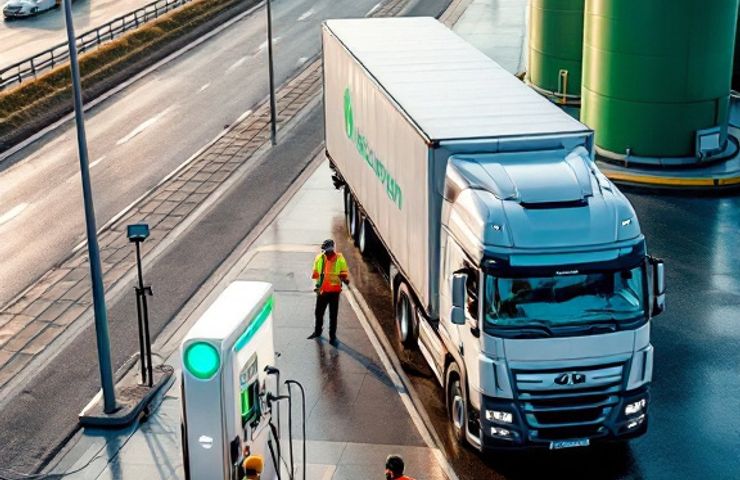
Fuel cells have some benefits over conventional battery technology. Lithium-ion batteries have become somewhat notorious for their limited operational range. They also take several hours to fully charge, which makes them somewhat unattractive to those with a tight schedule. Hydrogen fuel cells, on the other hand, can be fueled in a matter of minutes and they have a large operational range. The Toyota Mirai, for instance, which is equipped with a hydrogen fuel cell, can travel more than 300 miles on a single tank of hydrogen.Audi is working on improving battery technology
 While the automakers disagree on how to approach clean transportation, all three support both batteries and hydrogen fuel cells. Audi, however, is prioritizing batteries for the immediate future, while BMW and Mercedes-Benz show more favor for fuel cells. Audi has been working on developing new battery technology that will allow electric vehicles to travel as much as 434 miles on a single charge. This technology would allow Audi to produce some of the most efficient vehicles in the world.
Efficient battery technology may be coming from Audi by 2022, improving electric vehicles significantly
Audi believes that this highly efficient battery technology will be available by 2022. The automaker believes that the technology will also be somewhat inexpensive, which will make electric vehicles more appealing to consumers. Batteries will have to compete with hydrogen fuel cells, however, as these energy systems are beginning to establish significant momentum in the auto industry and several markets.How was this article?
Thanks for the feedback!