Fuel Cell Technology Delivers Data Center Baseload Power and Industrial CO₂ Capture
FuelCell Energy inked a 380 MW data center power deal, a 75 MW Texas reservation, grew its backlog to $3.646 billion, expanded Torrington manufacturing plans, and deployed first industrial carbonate fuel cell CO₂ capture modules at ExxonMobil’s Rotterdam site.
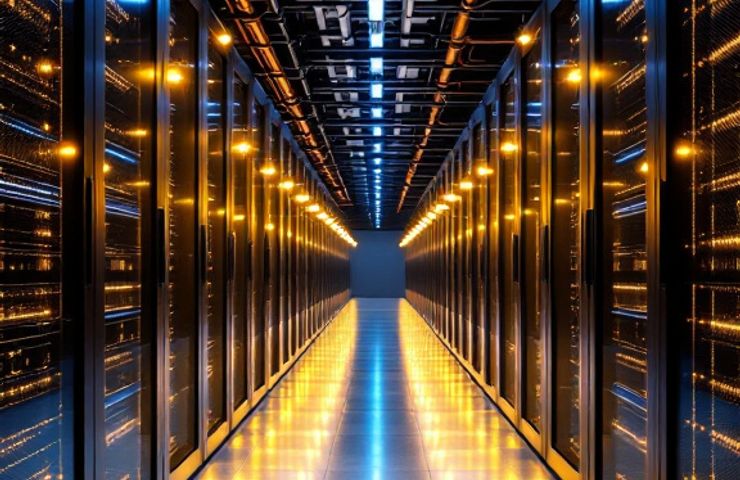
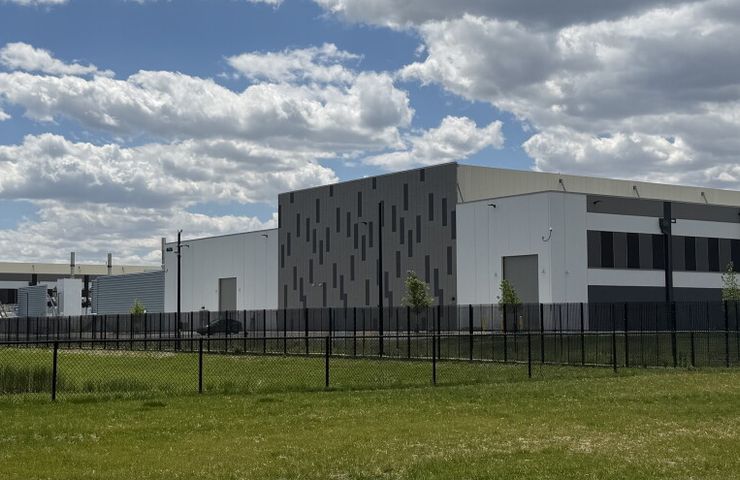
With the skyrocketing demand for AI and the urgent need to cut down carbon emissions, FuelCell Energy is making some notable moves that could change the game for data centers and industrial carbon capture. The US-based company just wrapped up a strategic equipment purchase deal with Fit Energy USA LP to deliver up to 380 MW of molten carbonate fuel cell systems. These systems are set to provide reliable, baseload electricity to cutting-edge computing facilities. Plus, they’ve rolled out the first industrial-scale carbon capture modules over at ExxonMobil's manufacturing site in Rotterdam.
Looking at their financials for the third quarter of fiscal 2026, FuelCell Energy reported a revenue of $33 million but faced a net loss of $45.3 million. Despite the losses, they’ve expanded their committed backlog to an impressive $1.296 billion, with the total backlog—including awarded capacity—tipping the scales at $3.646 billion. They’ve even secured a separate 75 MW capacity reservation with a major data center operator in Texas, further solidifying their pipeline that now stretches to about 10 GW in proposed fuel cell projects, primarily aimed at data centers.
In a bid to ramp up production, FuelCell Energy is focusing on their Torrington, Connecticut plant, aiming for a significant annual output of 100 MW by October 2026 and eventually reaching 500 MW by mid-2028. Transitioning from smaller to larger production requires a hefty investment and fine-tuning of processes. To support this growth, they recently boosted their cash reserves to over $737 million through an equity offering, which is set to back factory expansions and working capital needs.
The company has also teamed up with Siemens to speed up the rollout of complete fuel cell power packages. Under this partnership, Siemens will handle the electrical balance-of-plant engineering, medium-voltage equipment, and microgrid controls. This collaboration aims to streamline integration with on-site electrical systems and quicken project timelines for commercial projects larger than 100 MW. By combining their expertise in grid integration, they’re tackling one of the biggest challenges in scaling up fuel cell technology.
Fit Energy USA LP, known for providing on-site power solutions for AI and advanced computing, has committed to an initial 30 MW phase (Phase 0) and has made an immediate deposit. They also have options for three additional phases totaling 350 MW. While Phases 1–3 are not yet locked in, they add to the awarded capacity backlog, showing that data center operators are keen on dedicated baseload power solutions, especially with persistent grid constraints.
The recent 75 MW reservation with a Texas operator includes six 12.5 MW FuelCell Energy Block systems, highlighting the demand for reliable, modular baseload generation. Texas has become a hot spot for hyperscale data centers, but it's hitting some grid bottlenecks as the need for AI workloads grows. Deploying fuel cell technology for on-site generation offers a cleaner alternative to traditional diesel generators, helping to ease the pressure on the transmission network.
How Molten Carbonate Fuel Cell Blocks Work
So, how exactly do these block systems operate? They consist of stacks of individual molten carbonate fuel cells running at around 650 °C. At the cathode, a mix of oxygen and CO₂ generates carbonate ions in a molten electrolyte that moves to the anode. There, hydrogen—produced through the internal reforming of natural gas or blends—interacts with those ions to create electricity, water, and a concentrated stream of CO₂. The design allows multiple stacks to work with reformers, heat recovery systems, inverters, and controls, forming a standard unit of about 12.5 MW that can be scaled up as needed.
Industrial-Scale Carbon Capture with Fuel Cells
In terms of carbon capture, this setup utilizes exhaust from industrial flues instead of regular air at the cathode. This clever switch allows the fuel cell to effectively “pump” CO₂ to the anode. The result? An enriched anode off-gas that’s about 70% CO₂, ideal for chilling and compressing for storage. Compared to conventional amine scrubbing, which tends to be energy-intensive, the molten carbonate route produces power, heat, and sometimes hydrogen too. This process not only helps offset capture costs but also achieves impressive lab-verified capture efficiencies above 90%.
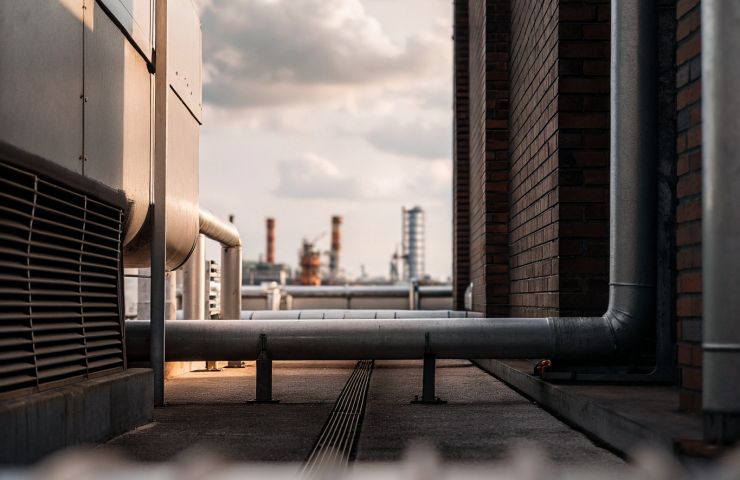
ExxonMobil Technology and Engineering Company along with Esso Nederland B.V. has been instrumental in deploying the first two fuel cell modules at the Rotterdam site under the CFCPILOT4CCS initiative. This pilot project aims to validate the systems' durability, capture rates, and how well they integrate within an active petrochemical environment. The CO₂ captured is set to be injected into North Sea reservoirs. If successful, this could pave the way for decarbonizing heavy industries and bolster hydrogen fuel cells as versatile energy platforms.
On top of that, some Block configurations are adapted for integrated hydrogen production. By tweaking the fuel blend and capturing CO₂, operators can generate pipeline-quality hydrogen for both on-site use and off-take, bolstering hydrogen infrastructure. This flexibility could appeal to data centers looking for low-emission heating or as backup systems, making molten carbonate platforms even more appealing in a hydrogen-powered future.
Strategically, these developments reveal a strong overlap between the needs of digital infrastructure and the push for industrial decarbonization. The growth in FuelCell Energy’s backlog supports the case for scaling production, but it also brings execution risks as they shift from pilot projects to mass manufacturing. The losses they’ve seen point to high unit costs at lower volumes, but through economies of scale and enhanced supply chain partnerships, they might just lower the levelized cost of electricity.
FuelCell Energy is up against competition from various fuel cell types, advanced gas turbines, and renewable energy storage microgrids. However, their molten carbonate systems stand out by combining carbon capture with power generation. If data center operators find these blocks to be reliable, modular, and cost-effective, we could see a rapid expansion of the market for dedicated on-site baseload generation, which in turn could help alleviate grid congestion and decarbonize one of the electricity sectors that's growing fastest.
With regulators in the US and EU tightening their scrutiny of data center energy consumption, there’s a push towards on-site clean power under new grid reliability mandates. Carbon capture pilot programs are also shaping policy frameworks for CCS incentives. Still, challenges like electrolyte stability and corrosion could present technical hurdles. Everyone's watching to see if the modules in Rotterdam can deliver on performance over extended operation periods.
Looking ahead, key turning points on the horizon include converting the awarded capacity backlog into actual orders, milestones in ramping up the Torrington plant, and the performance data rolling in from the Rotterdam site. These developments will certainly shape investor confidence and could set the stage for blending clean hydrogen co-production with fuel cell carbon capture, potentially reaching far beyond just data centers and petrochemicals.
As the energy sector intertwines with the digital landscape, FuelCell Energy’s bold moves in fuel cell carbon capture and powering AI infrastructure could carve out a fresh path towards decarbonization. The next few quarters will be telling—can molten carbonate fuel cells break away from niche applications and gain traction in mainstream use, or will scaling hurdles keep them in the background a bit longer?