News
Advantages of Flatbed Transportation Services for Heavy Loads
Flatbed Transportation: A Game-Changer for Oversized Cargo It has truly transformed the transport of oversized freight by making it completely flexible and efficient. It is only flat aboard; as far as 'confined' space is concerned, you need to have the means to move almost any shape and size, instead of carrying them in sections onboard, as is the case with conventional shipping. This is especially important in industries like construction and manufacturing, where machinery and large equipment exceed maximal dimensions allowed by normal truck transportation. By utilizing flatbed transportatio…
Flatbed Transportation: A Game-Changer for Oversized Cargo
It has truly transformed the transport of oversized freight by making it completely flexible and efficient. It is only flat aboard; as far as 'confined' space is concerned, you need to have the means to move almost any shape and size, instead of carrying them in sections onboard, as is the case with conventional shipping. This is especially important in industries like construction and manufacturing, where machinery and large equipment exceed maximal dimensions allowed by normal truck transportation. By utilizing flatbed transportation services, research by the Indeed, the Logistics Bureau suggests cost reduction for oversized loads up to 15% with flatbed truck transport regarding disassemble and load in more volume, moreover growth of flatbed trucking big, more than 50,000 other firms within the United States, contributing approximately $185 billion to the economy on an annual basis. HMD Trucking delivers using advanced GPS technology for tracking and real-time monitoring of their flatbed fleets. This enhances route efficiency and quickens delivery times, which is essential for projects where scheduling is tight. On average, GPS-tracked deliveries can be completed 20% faster than those without tracking technology. In addition, the open nature of flatbeds lets one easily inspect and maintain cargo during transport, greatly reducing the occurrence of damage. Research has demonstrated that this accessibility can cut costs due to damage by up to 30%. With these benefits, flatbed transportation is more than just a logistical choice; it is a strategic asset for businesses needing to move large-scale cargo quickly and safely.Key Safety Features in Flatbed Transport
- Load Securement Systems: More developed straps and chains that can bear forces up to 5,000 pounds secure cargo tightly during transportation, hence minimizing the occurrence of load shifts and accidents. According to the Federal Motor Carrier Safety Administration, FMCSA, proper securement of loads can reduce cargo-related accidents by as high as 20%.
- Safety Training Programs: Companies in this industry, such as HMD Trucking, believe in extensive driver training to handle large cargo. In fact, some of these companies require their drivers to undergo at least 40 continuous hours of specialized safety training. According to certain studies in the industry, such extensive education cuts down human error cases by 30 percent.
- Improved Visibility: Because flatbeds have an open design, the view is available in a complete 360-degree circle, improving maneuvering and observation while on the highway. This advantage in visibility can reduce accidents due to blind spots by 15%, according to NHTSA.
- Regular Maintenance Checks: Conscientious checks before each journey, often exceeding 50 check-points, prevent and correct mechanical deficiencies to improve road safety. They have been known to reduce mechanical failure rates by as much as 25%, thereby ensuring the best travelling condition for a truck on a long journey.
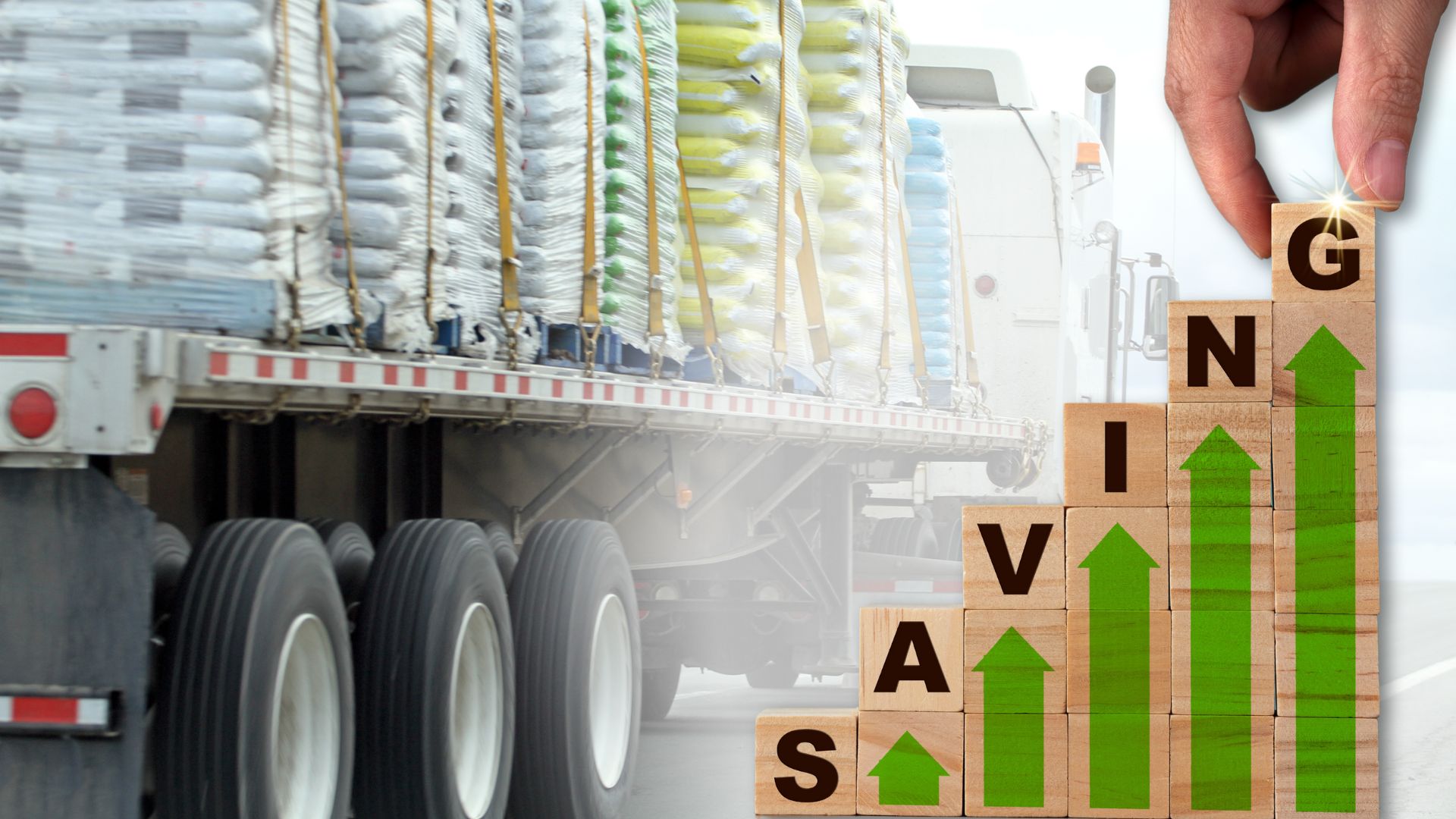
Cost-Effectiveness: Saving on Logistics with Flatbeds
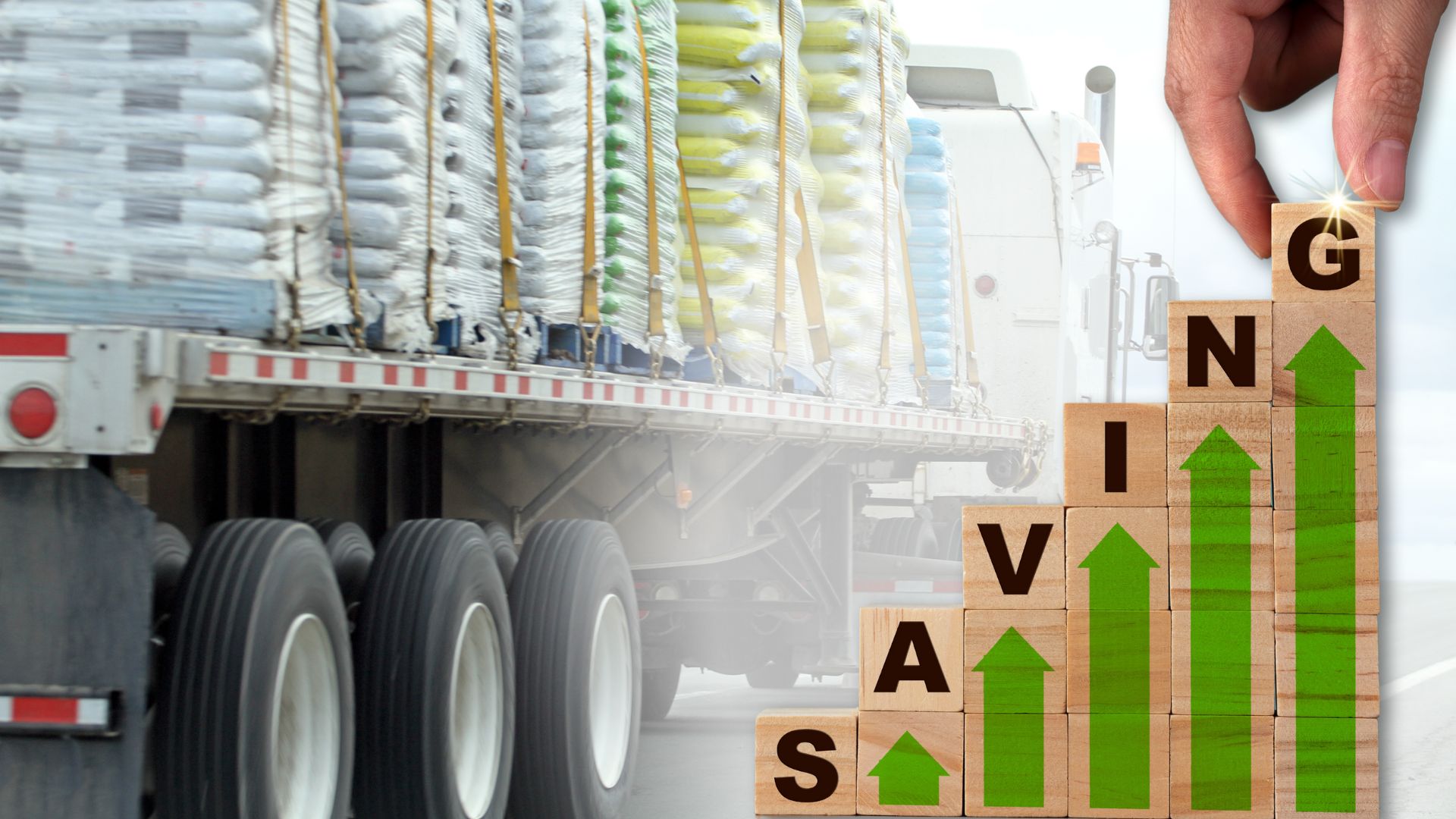
Flatbed transportation provides substantial economic advantages, hence becoming an ideal choice for heavy cargo loads. Companies are in a position to cut down on the number of trips that they need to make since flatbeds can carry larger and heavier shipments than other means can. Normally, a truck with a flatbed could carry up to 48,000 pounds and various dimensions, often more than double what standard trailers can handle. This will result in lower fuel costs and reduced labor expenses because fewer trips translate to less time on the road and fewer workers for each transport job. According to industry experts, the more efficient loading and unloading processes done by flatbeds can reduce handling time by as much as 25%, adding further financial advantages. Furthermore, it reduces the need for extensive packaging materials, cutting supply costs down by as much as 10%. HMD Trucking is a company that applies the formula for leveraging affordable flatbed services as an enabler of competitive advantage, combining cost-effective solutions with operational excellence. The flatbed market will achieve a CAGR of 3.8% for the period 2021-2026, which underlines its increasing importance in the logistics industry.Versatility in Cargo: From Machinery to HMD Trucking
- Oversized Machinery: Drills, cranes, and excavators are among the large machinery that can easily fit in a flatbed since no height and width restrictions are imposed. Such machinery is often as heavy as 20,000 to 100,000 pounds or more and thus requires delivery via the safest means.
- Building Materials: From steel beams to pre-cast concrete sections, flatbeds play a critical role in construction logistics, enabling smooth and straightforward loading and unloading. In 2022, around 40% of the freight that began to move on flatbeds was from the construction industries, while steel beams reached lengths as long as 40 feet.
- Utility Infrastructure: Flatbeds take the huge workload of power transformers and wind turbine blades, which are more than 100 feet long, and manage to carry them along, due to the strong load-bearing capacity of up to 48,000 pounds.
- Agricultural Equipment: During peak seasons, tractors and harvesters, some weighing as much as 30,000 pounds, benefit from the flatbed's quick and efficient loading capabilities, which are crucial for maintaining the agricultural supply chain's smooth operation.
The Role of Experienced Drivers in Heavy Load Transit
In heavy hauling, a good number of professional and experienced drivers usually turn flatbed transportation into an exact science. Over the years the drivers have developed the sophistication that is required and delivering over complicated interstate systems or city streets or winding country roads oversized loads. Another source of this experience will be perhaps due to understanding load dynamics, so that cargo will essentially be correctly weighted, centered, and secured for minimized movement in transportation. Not only does it provide an advantage, but knowing the management of varied terrain and climate corresponds to need. According to American Transportation Research Institute studies, hiring experienced drivers can reduce accident rates from 10%-25%. Not only are they skilled in the techniques but also have experience in deployment of technology to assert efficiencies. HMD Trucking equips its drivers, for example, with these state-of-the-art telematics to report real-time traffic issues as they take the necessary alternative routes. Delivery times might increase by up to 15% due to such strategic flexibility, an important reason for the time-sensitive storage projects. GPS tracking and the use of ELDs further optimize routing and comply with federal regulations limiting driving to 11 hours in a 14-hour workday. Beyond their technical skills, experienced drivers provide invaluable industry knowledge for handling on-the-road challenges, such as unexpected detours or mechanical issues. Their ability to make quick, lucid decisions can save substantial amounts of time and resources, thereby acting as backbone support for successful heavy load transportation. According to the Bureau of Labor Statistics, the employment of skilled heavy and tractor-trailer truck drivers is expected to rise by 2% from 2021 to 2031.Environmental Benefits of Using Flatbed Trailers
Flatbed transportation is good for the environment and also aligns well with the set global sustainability goals. Flatbed trailers maximize load capacity while minimizing trips. It reduces fuel consumption, hence lower greenhouse gas emissions. The Environmental Defense Fund says that by improving load capacity in freight transport, by up to 20%, emissions are reduced. Indeed, studies show that a fully loaded flatbed can carry as high as 48,000 pounds of cargo, greatly augmenting every trip's utility. Moreover, packaging material is usually less when it comes to flatbeds, since large or irregular-shaped items can be transported on the flatbed without over-wrapping, which saves waste and resources. This reduction in packaging not only decreases material usage but also can lower costs by up to 15% in shipping. Additionally, the sleek design of flatbeds creates better aerodynamics, adding to fuel efficiency. While enclosed trailers would experience much higher wind resistance, flatbeds allow air to be passed around the cargo, which reduces drag and improves fuel economy by about 10%. This advantage adds to the strategic route planning, enabling timely and eco-friendly deliveries, ensured by industry leaders like HMD Trucking. Many companies offering flatbed services participate in the initiatives like the EPA SmartWay Transport Partnership, further demonstrating their commitment to sustainability through the latest in advanced engine technologies and alternative fuels. In this way, the SmartWay program has helped its more than 3,700 partners save more than 279 million barrels of oil, or not drive over 19 million cars for a year.Conclusion: The Strategic Edge of Flatbed Services for Heavy Loads
In a nutshell, flatbed transportation gives a competitive advantage to companies dealing in heavy and large cargo. Known for its flexibility, the transport mode accommodates the movement of machines and construction materials from industries such as building and manufacture, which would have otherwise been compartmentalized into enclosed transport modes. A study has shown that a flatbed can save a business about 15% due to the efficient nature of loading and minimal disassembly. Besides, advanced technologies such as GPS tracking and telematics optimize routes, decreasing delivery times by around 15%-a vital advantage when there are tight deadlines. Safety improves hugely through good load-securing systems, comprehensive driver training, and enhanced visibility, driven by transport-related accidents decreased by 10%. There are environmental benefits too: flatbeds maximise load capacity and can reduce greenhouse gas emissions by 20%. By requiring less packaging, flatbeds also contribute to the goal of sustainability. Flatbed services are very versatile; they can transport everything from industrial equipment to agricultural machinery. Some noted that this is quite fundamental to logistics. With a core of experienced drivers and leading companies such as HMD Trucking, operating a fleet of more than 500 vehicles, flatbed transportation is much more than a logistical solution; it's a strategic tool that improves the efficiency of operations while further supporting sustainability.How was this article?
Thanks for the feedback!