Hydrogen news
EU’s hydrogen fuel targets are unrealistic, says European Court of Auditors
Despite pouring billions of euros into an H2 economy, the targets aren’t realistic says the ECA According to an assessment conducted by the European Court of Auditors (ECA), the European Union’s (EU) goals to produce and import green hydrogen fuel to help decarbonize and boost energy security are not realistic. The ECA said that the goals are unlikely to be met The European Commission committed to targets for the production of as much as 10 million metric tons of renewable hydrogen fuel by 2030. Beyond that, it also expects to import another 10 million tons. Though that commitment isn’t a bi…

Despite pouring billions of euros into an H2 economy, the targets aren’t realistic says the ECA
According to an assessment conducted by the European Court of Auditors (ECA), the European Union’s (EU) goals to produce and import green hydrogen fuel to help decarbonize and boost energy security are not realistic.The ECA said that the goals are unlikely to be met
The European Commission committed to targets for the production of as much as 10 million metric tons of renewable hydrogen fuel by 2030. Beyond that, it also expects to import another 10 million tons. Though that commitment isn’t a binding contract, the targets it set have been incorporated into the EU’s strategy for reducing reliance on energy imports from Russia. That nation’s invasion of Ukraine caused the EU to seek to come up with alternative energy sources in order to reduce or eliminate reliance on imports from Russia. At the same time that move to improve energy security was aligned with a need to decarbonize the energy industry.The ECA’s report says the EU is off track from its hydrogen fuel goals
According to a report published by the ECA, the targets the EU set for an H2 economy were driven by “political will” instead of being the result of substantial analysis. Moreover, it said that the EU was currently far from being on track to meet those goals.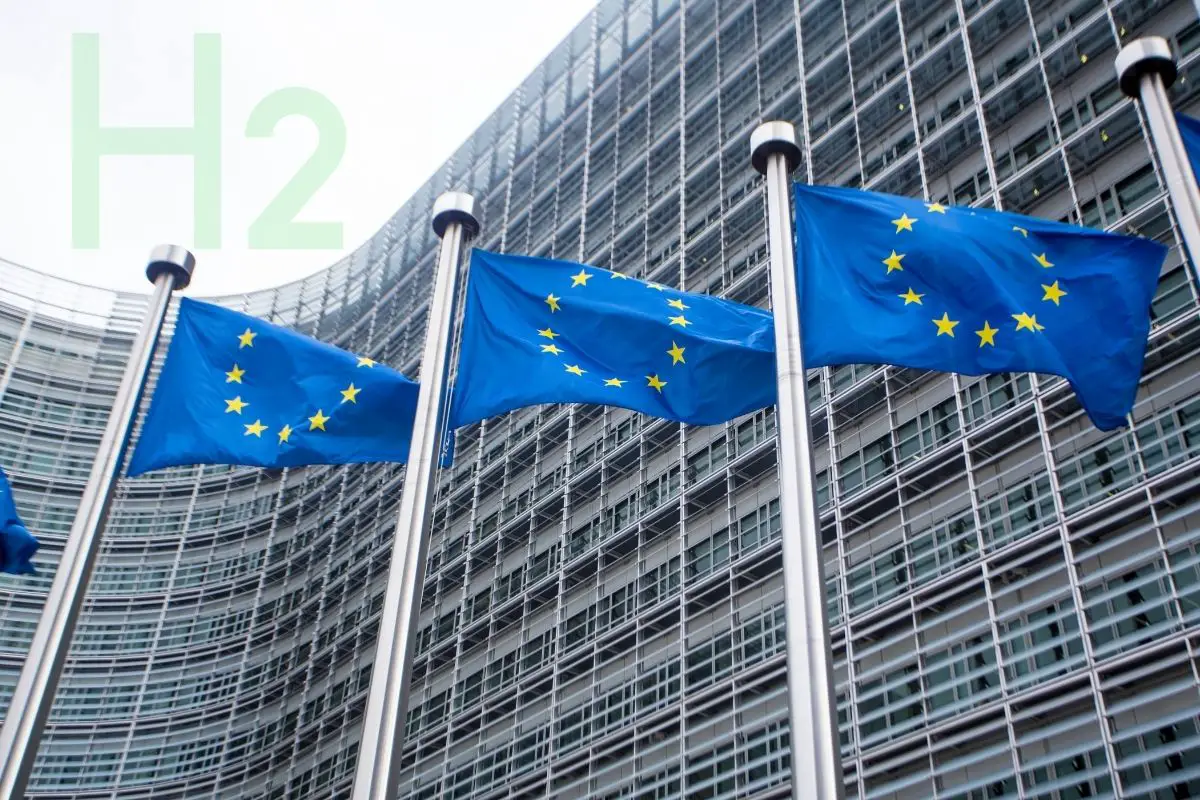 An additional target established by Brussels would require the installation of a minimum of 40 gigawatts of green H2 electrolyzers by the end of the decade. This was based on an idea laid out in an H2 lobby group’s documents, determined the ECA auditors.
€18.8 billion in EU funding
Even though the EU has poured €18.8 billion in funding (USD $20.5 billion) into green hydrogen fuel projects, those projects remain in early stages. According to the report, the funding so far will contribute under 5 GW of total H2 production capacity by the end of the decade, having reached an adequately advanced stage by then. That said, there are currently projects in the works that will eventually total around 50 GW of capacity, except that they remain at far earlier assessment stages.How was this article?
Thanks for the feedback!